
![]() ![]() |
![]() |
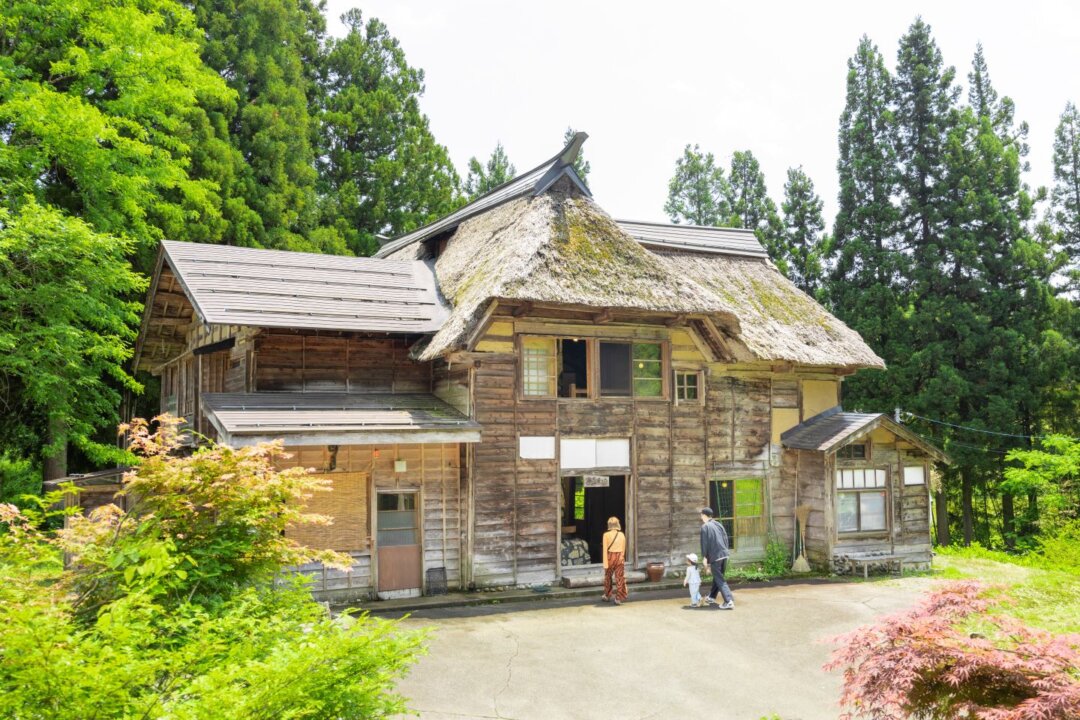
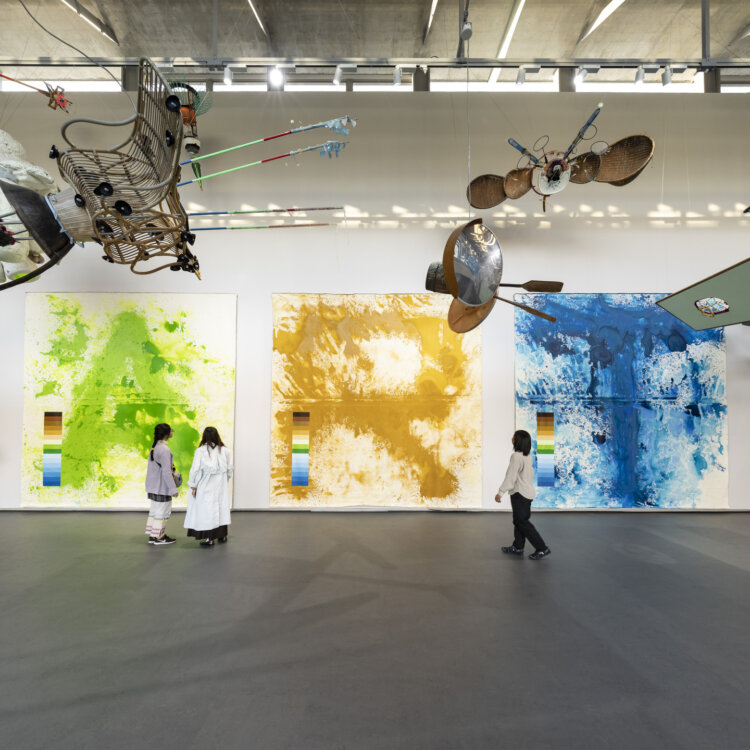
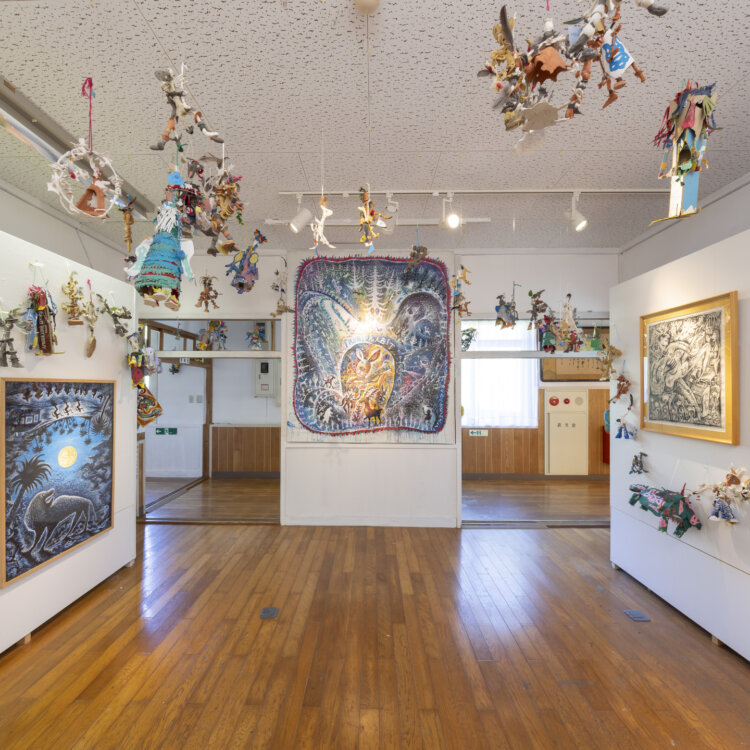
| An excursion to see works in the satoyama can also be a trip to discover the diverse charms of the communities in the region. The three Stage buildings were conceived as the starting points for that trip, as well as base facilities for inspiring people to contemplate the future of the region that will become visible by the trip and to learn about the diversity in the region. In 2003, they were opened to the public in Tokamachi City, Matsudai Town and Matsunoyama Town. |
|
|||
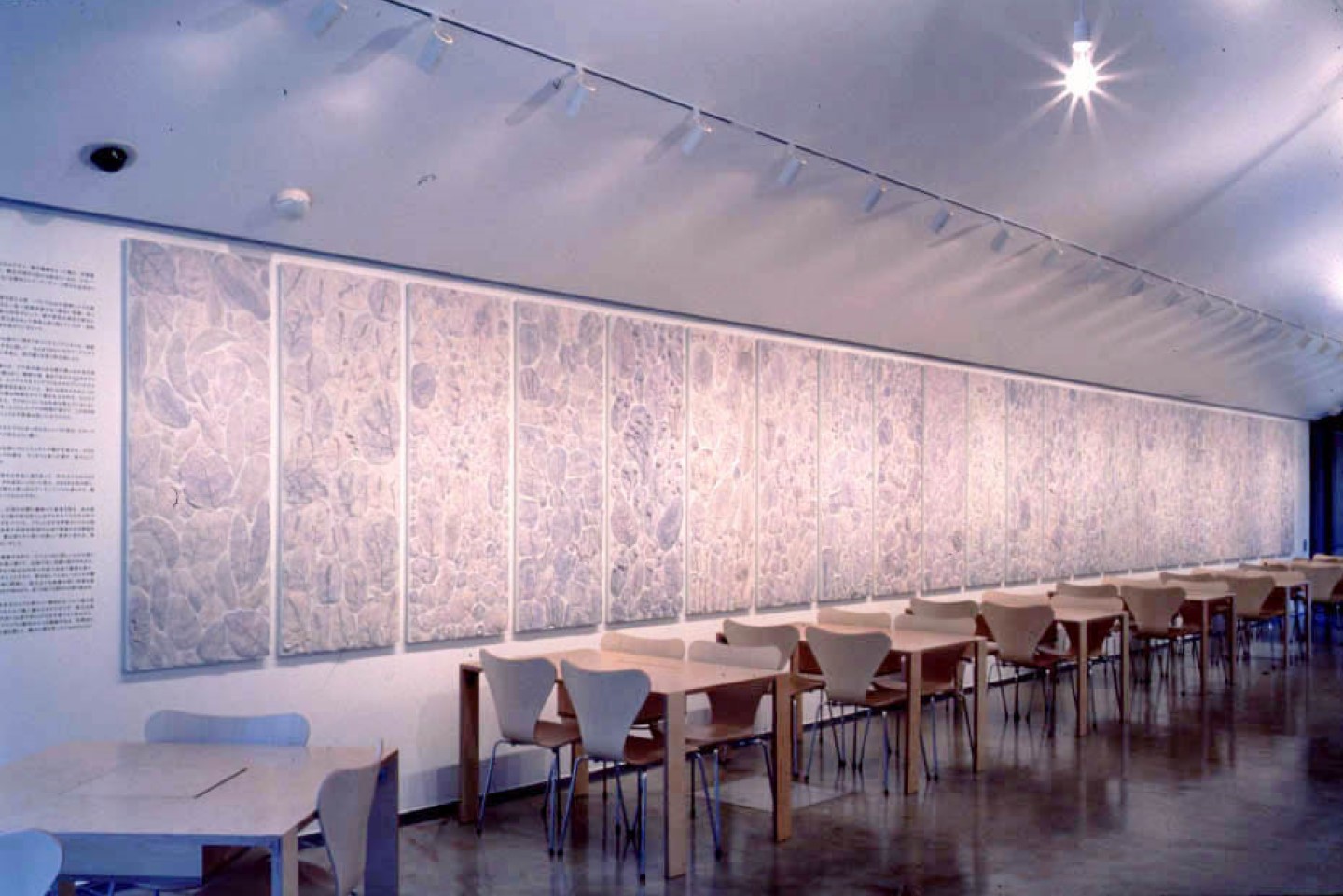
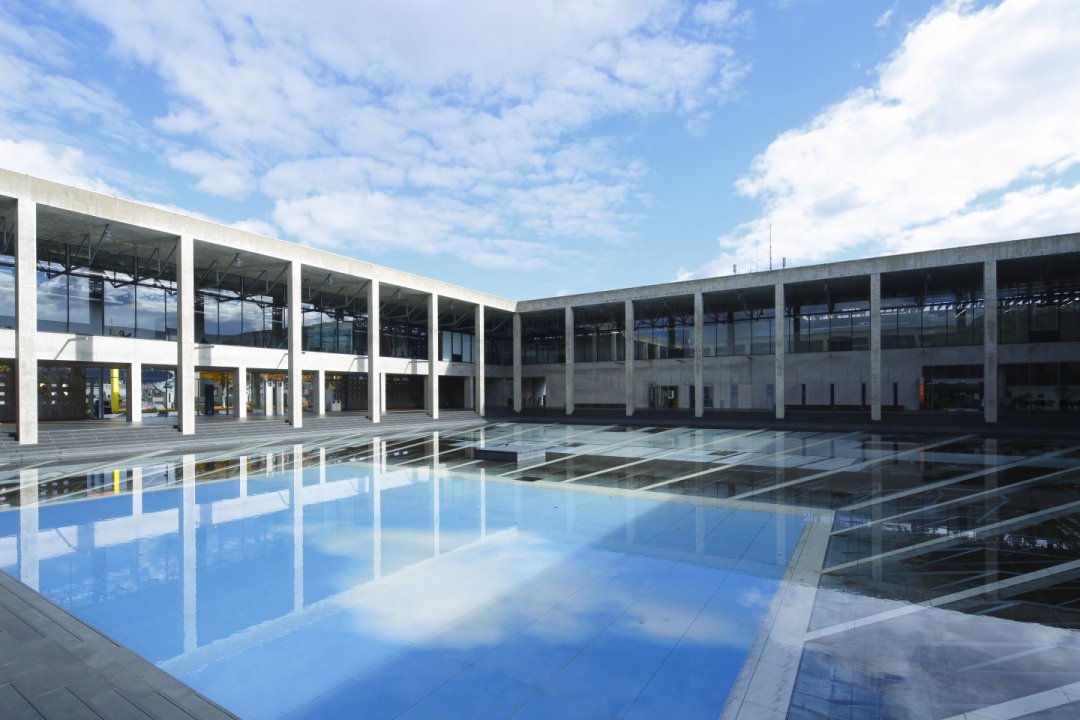
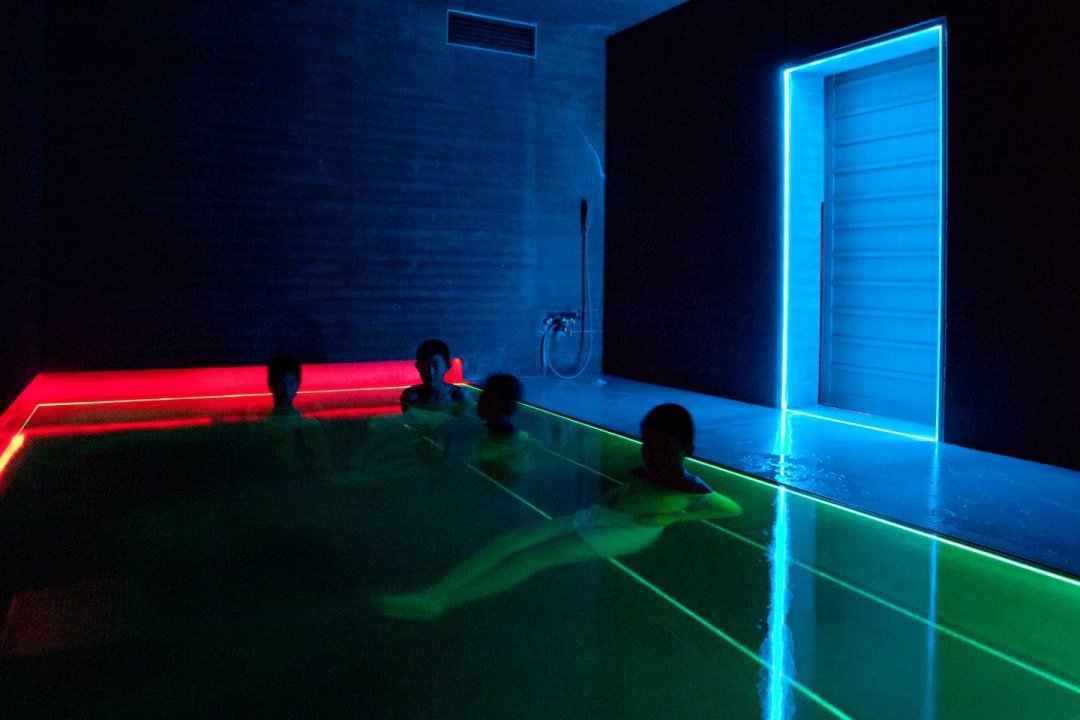
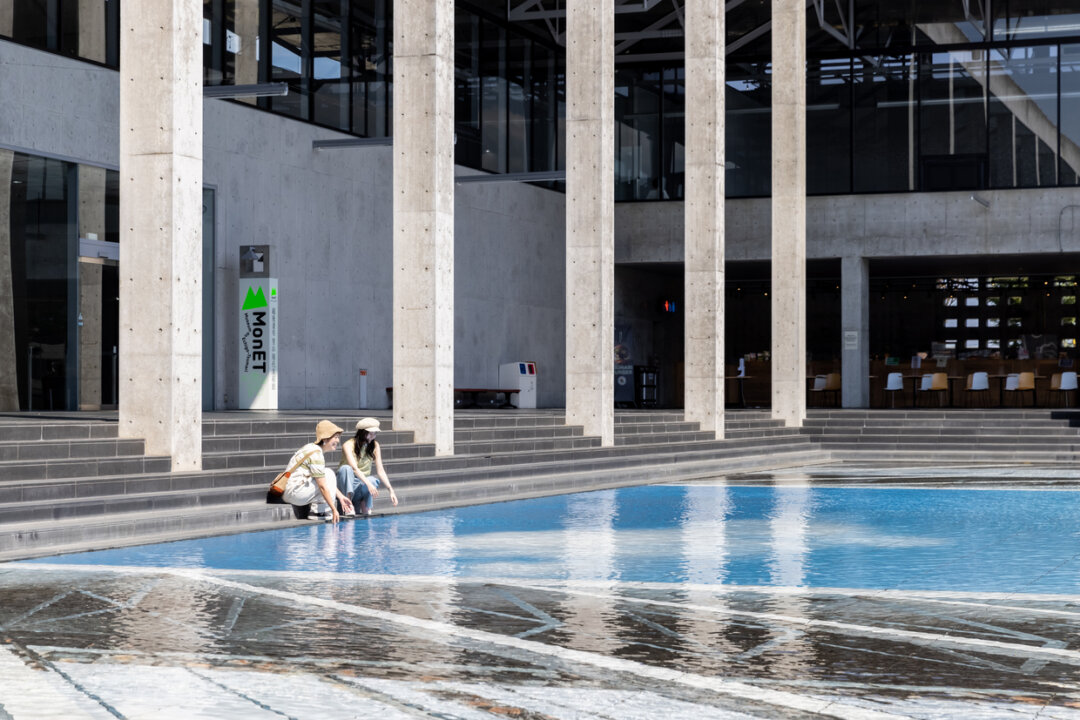
| The Echigo-Tsumari Exchange Center was planned as a place where people, goods and information from all over the region would gather, as in a marketplace. That is particularly appropriate, since the origin of the name of the city, Tokamachi, refers to the markets held there. The half-outdoor corridor, an unusual structure in this region, with its severe winter and heavy snows, is used as a market space bringing together items showing the characteristics of the region. The sharp focus on objects of taste and interest is intended to attract visitors from outside the region. The aim is to find a platform for regional survival by constructing a unique tasteful world quite different from urban convention centers. Located in the middle of the city, the building was designed to contain a "pond", a natural element and to attract visitors by its spatial and architectural. With its exposed concrete and usage of many glasses, it appears quiet appearance and creates another world separated from the outside. The building is comprised of the multipurpose hall with a high ceiling, the corridor space where free markets of local specialties are held every weekend, the corridor on the second floor where display spaces characteristic to Tokamachi such as "History of Kimono" and "Crafts in Japanese Clothing" are arranged, and "Akashi no Yu", a large public bath with a capacity of 360. http://www.tiara.or.jp/%7Eet-stage/ |
|
|||
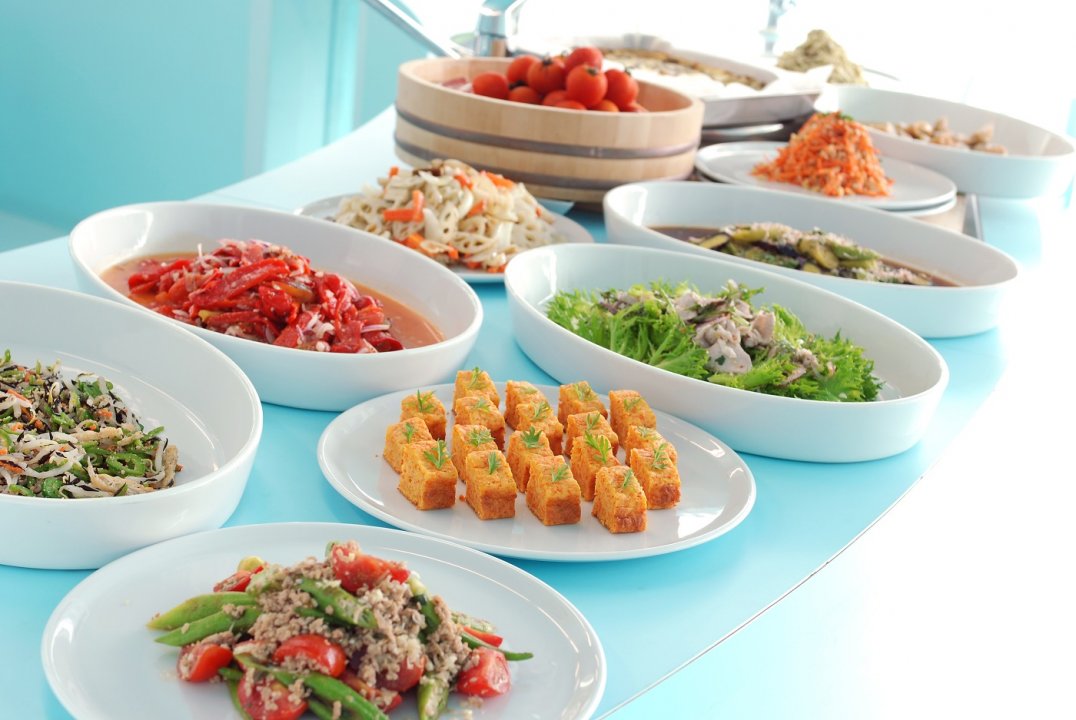
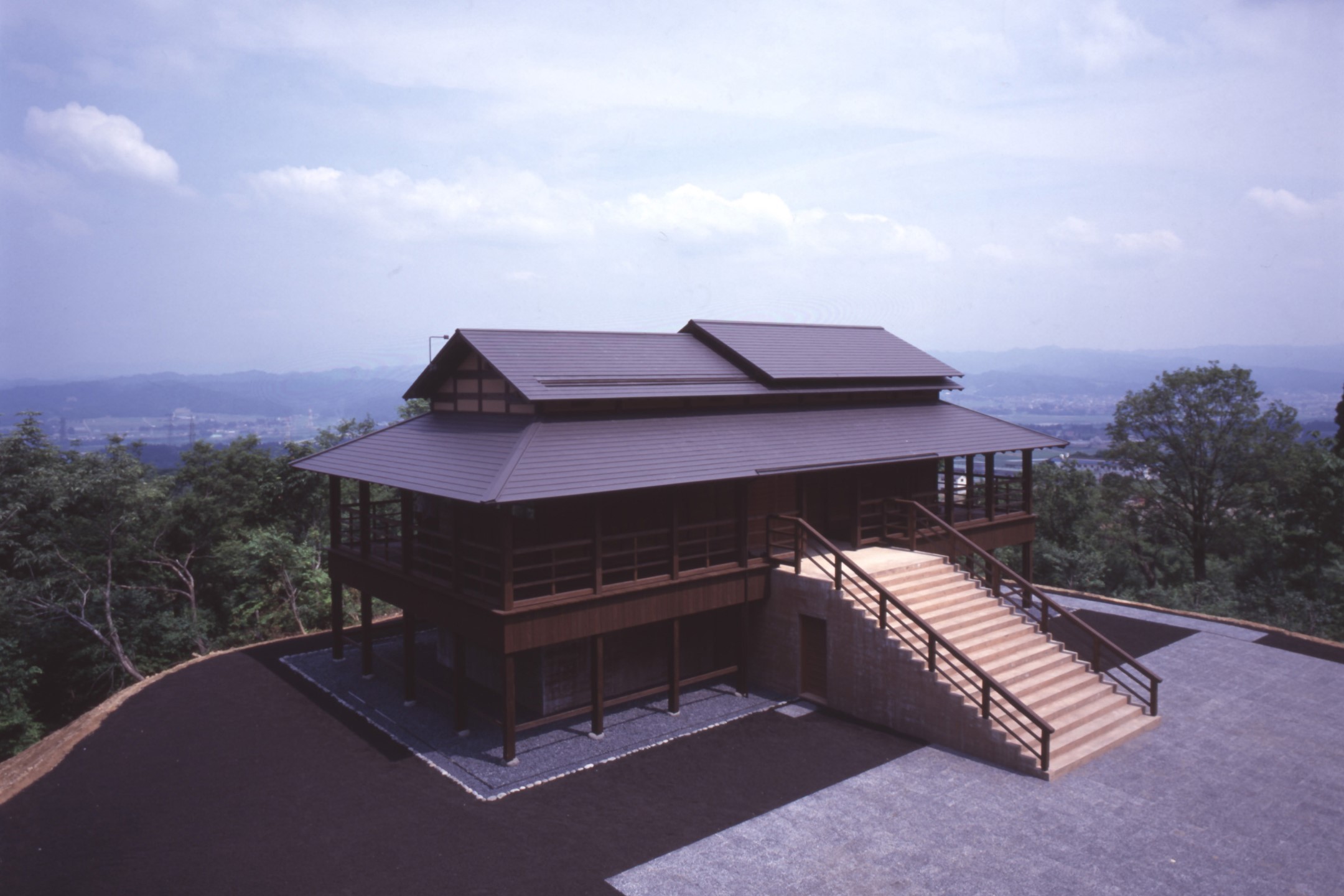
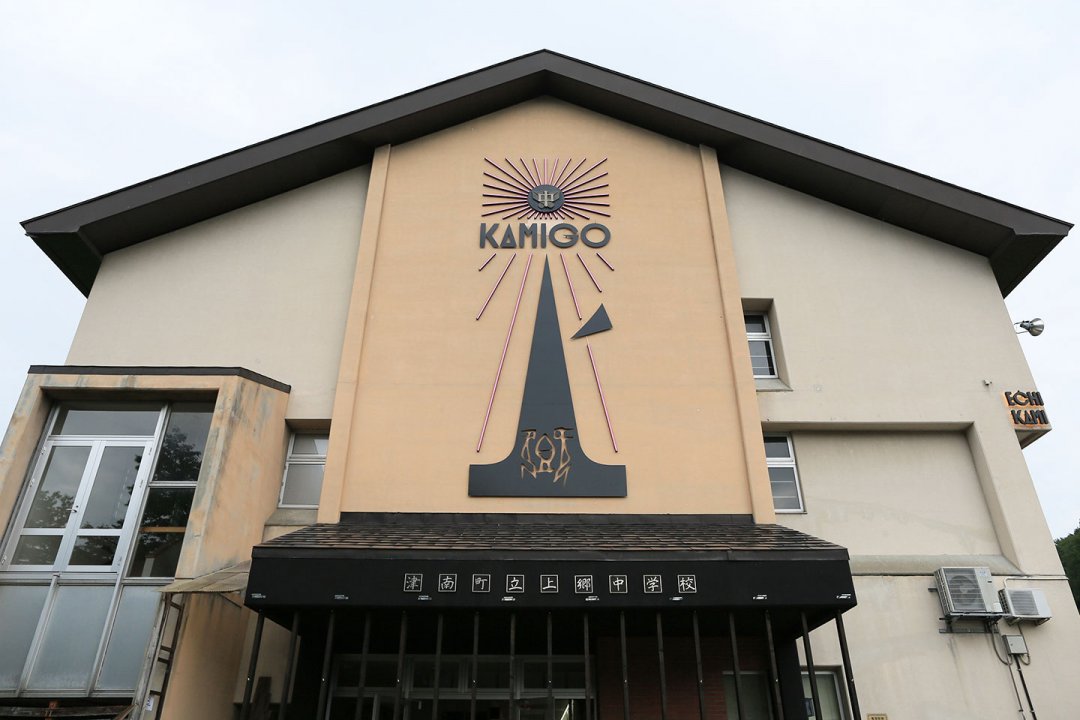
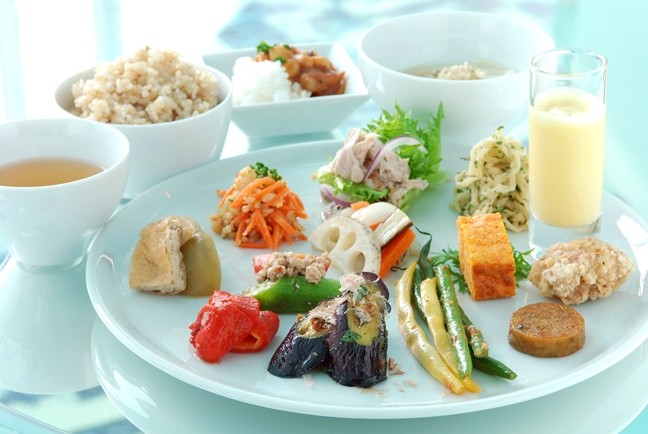
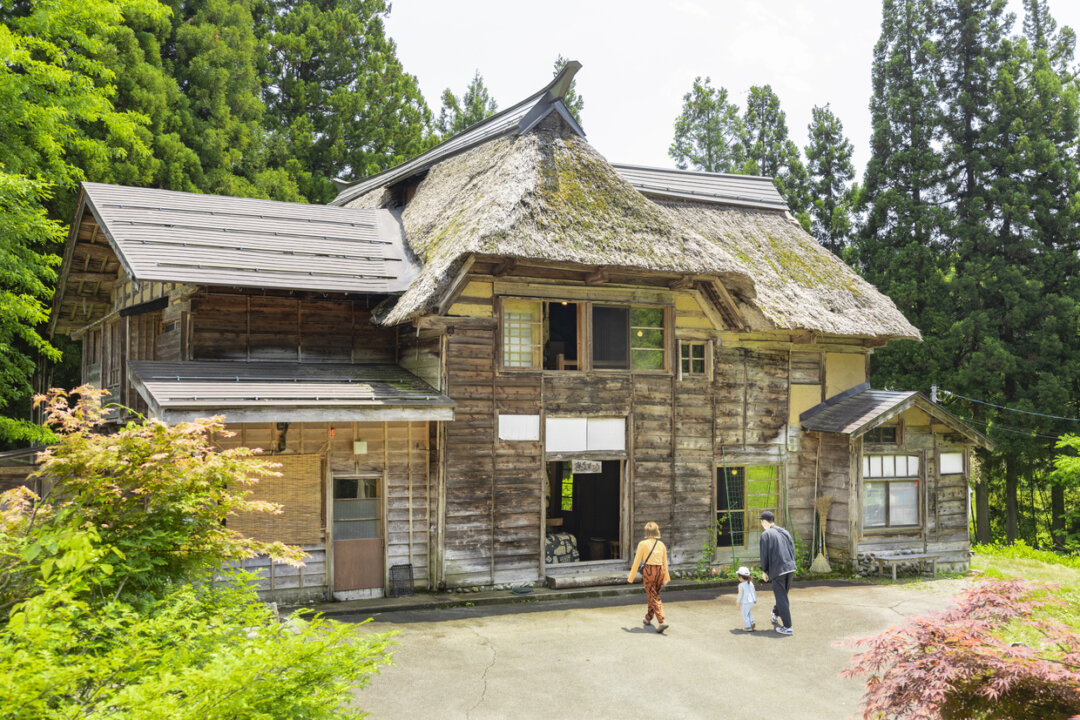
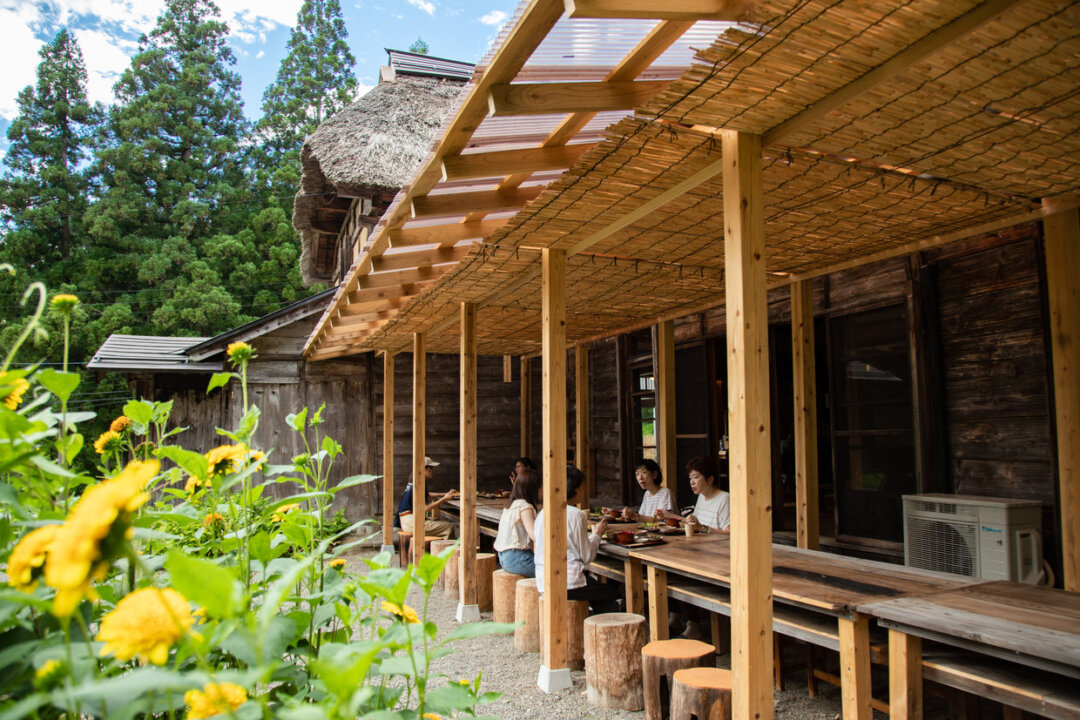
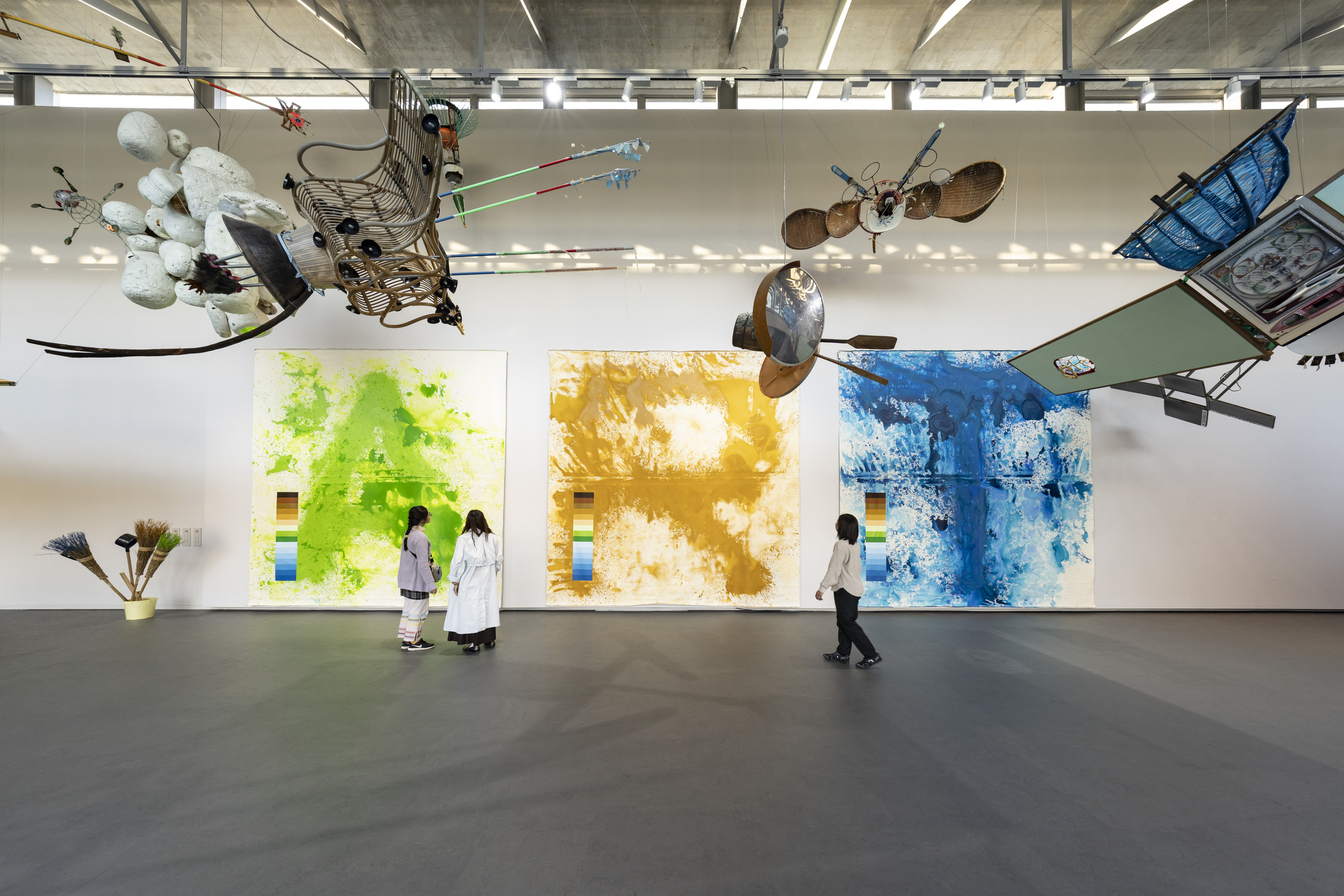
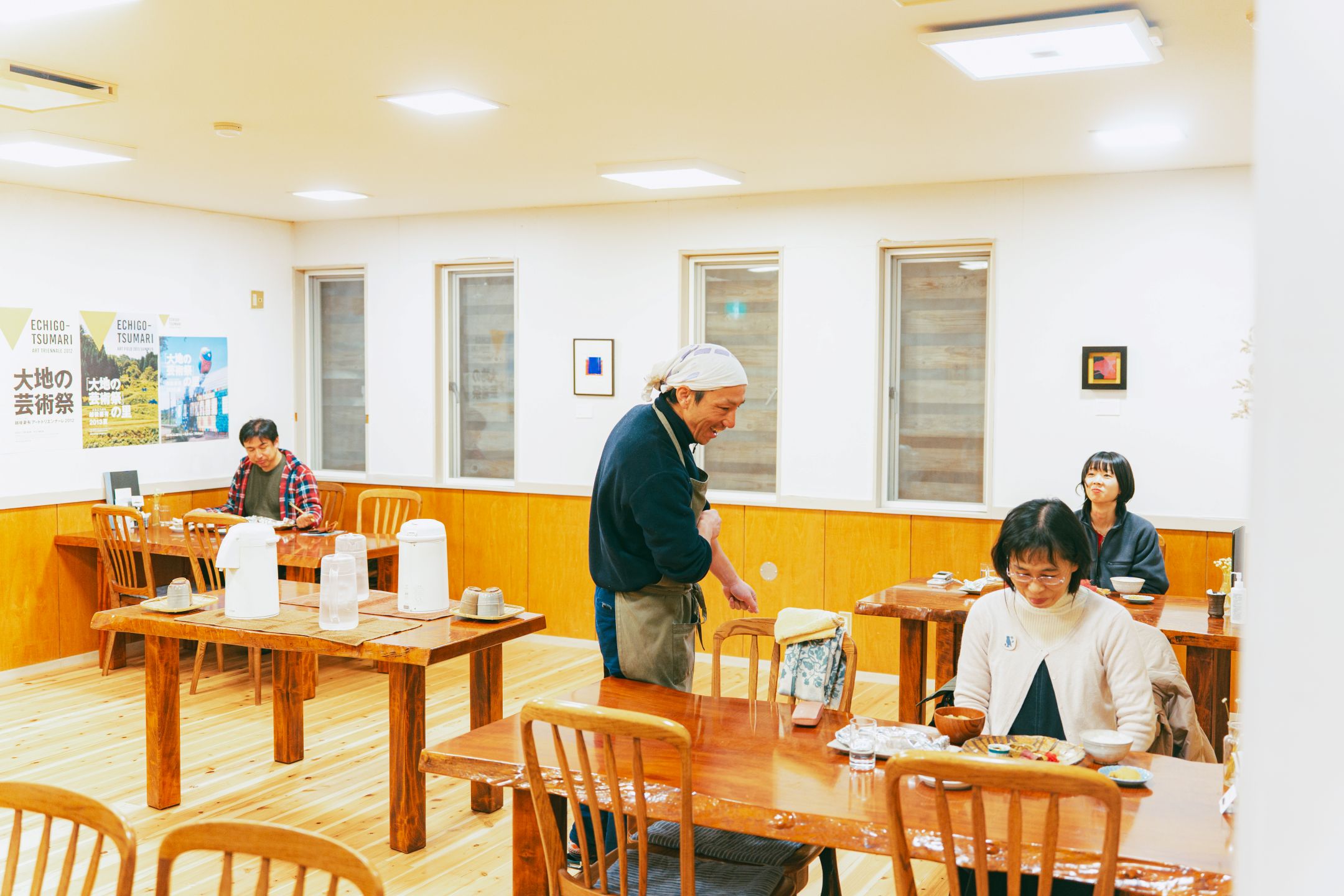
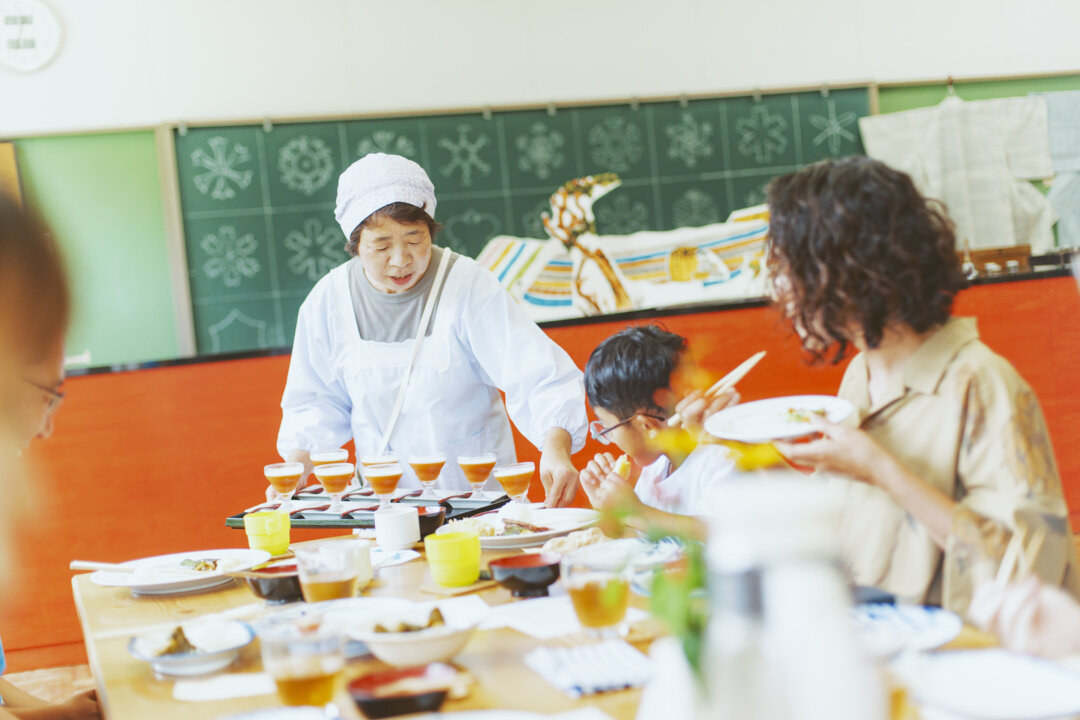
| Matsudai Snow-Land Agrarian Culture Center "NO BUTAI" is the heart of the field museum where works of art are scattered over the 60 ha area of the satoyama to the south of the Hoku Hoku Line Matsudai Station. Visitors can not only enjoy the snow-land agrarian culture of the region through the restaurant using local specialties and the shop dealing in local products and artist goods, but also experience a variety of cultural activities, ranging from local traditional performing arts to avant-garde art, through exhibitions, music, dance and theatres which take place at the open-air theater on the ground floor and at "NO BUTAI Gallery" on the second floor. In the classroom, where every surface is covered with black board paints (the work of art by Tatsuo Kawaguchi), the information on Matsudai is provided as digital archives using the touch panel computers in the desks. As such, each room embodies the collaboration between the architects and the artists. NO BUTAI has launched new activities to convert the potential of the lifestyle with agriculture at its core, which has thrived in the Matsudai region, into a new value that engages with the external world. It has already started the program to attract new owners for rice fields, the conference series "NO GAKU JUKU" with agronomists and farmers as guests, and the Tokyo-Matsudai product marketing exchange program. The "exchange between the city and the region" is about to begin. http://www.noubutai.com/ |
|
|||
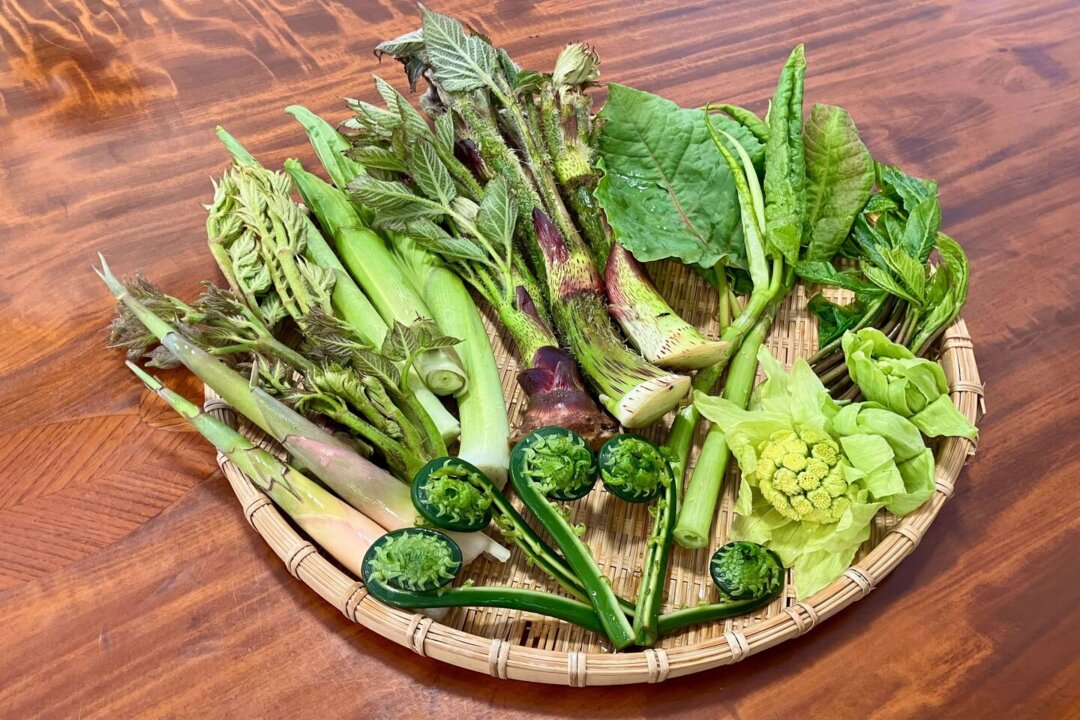
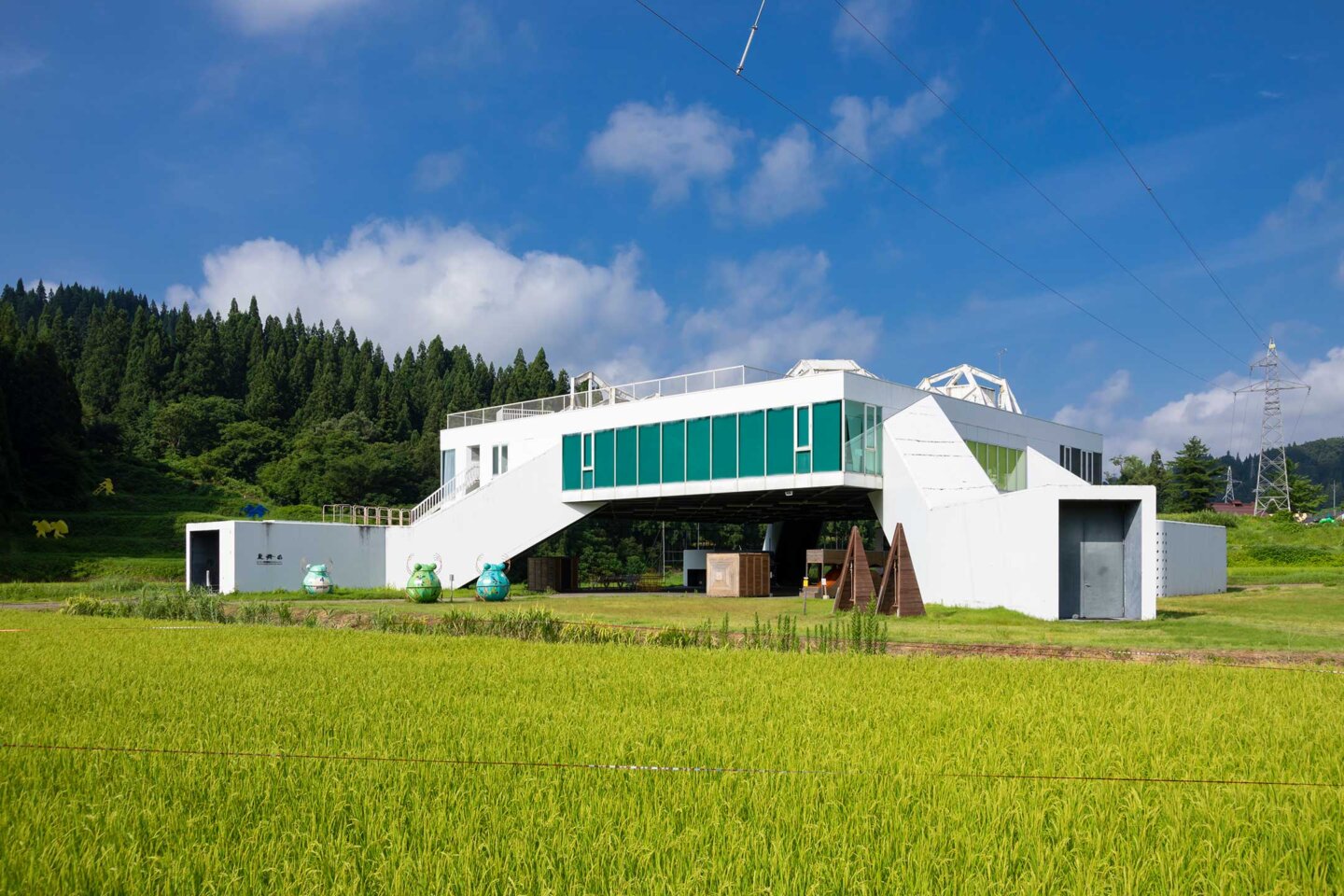
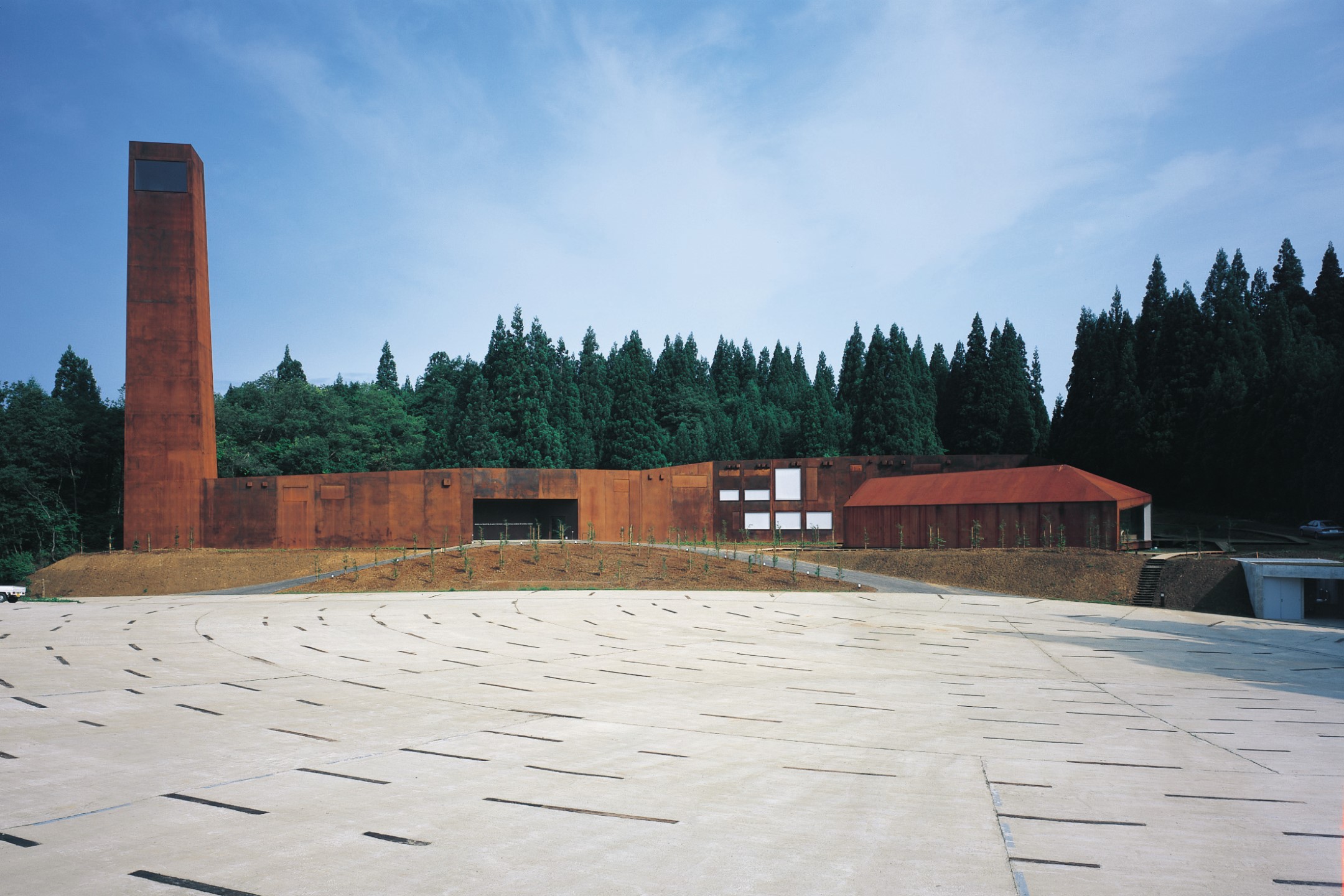
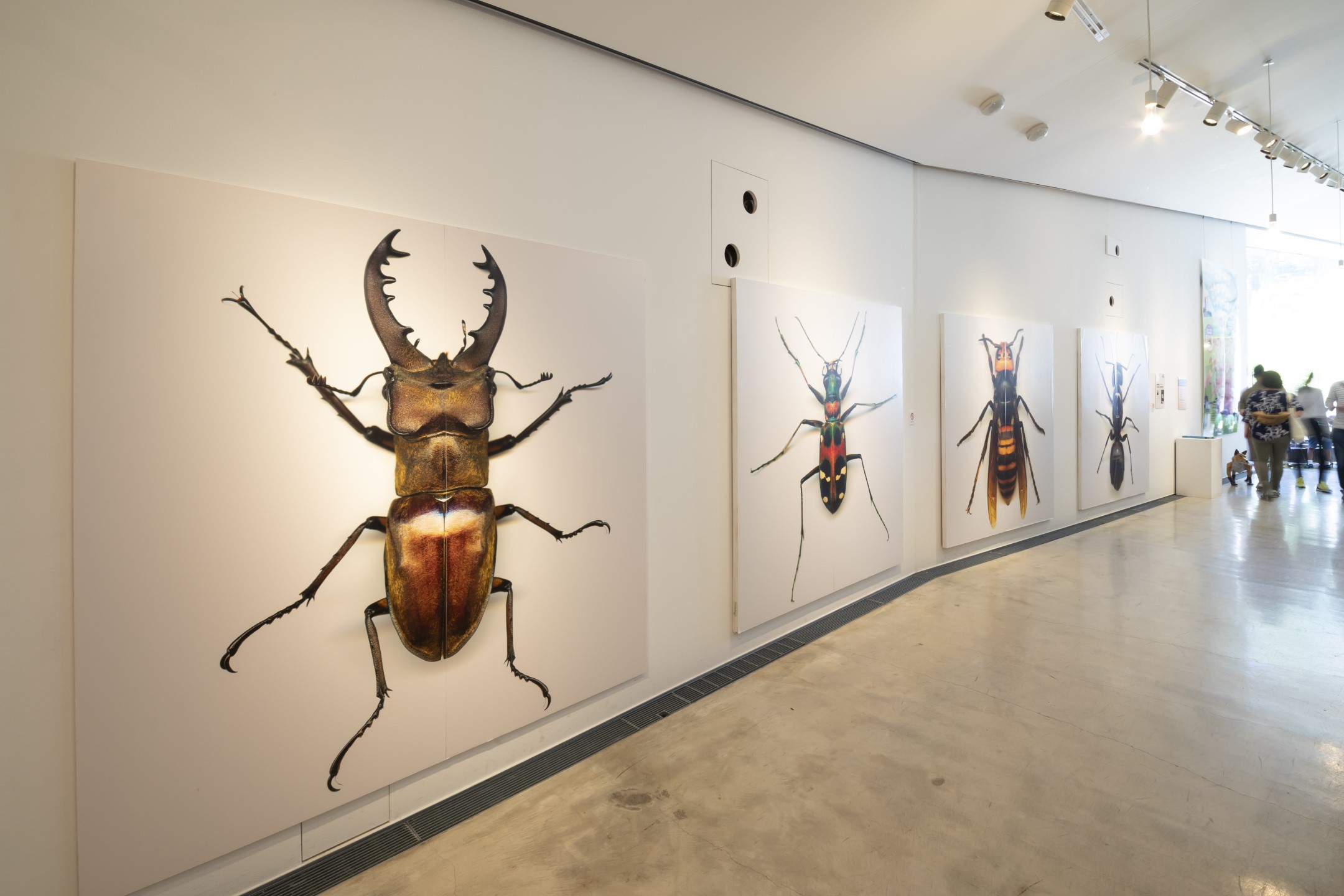
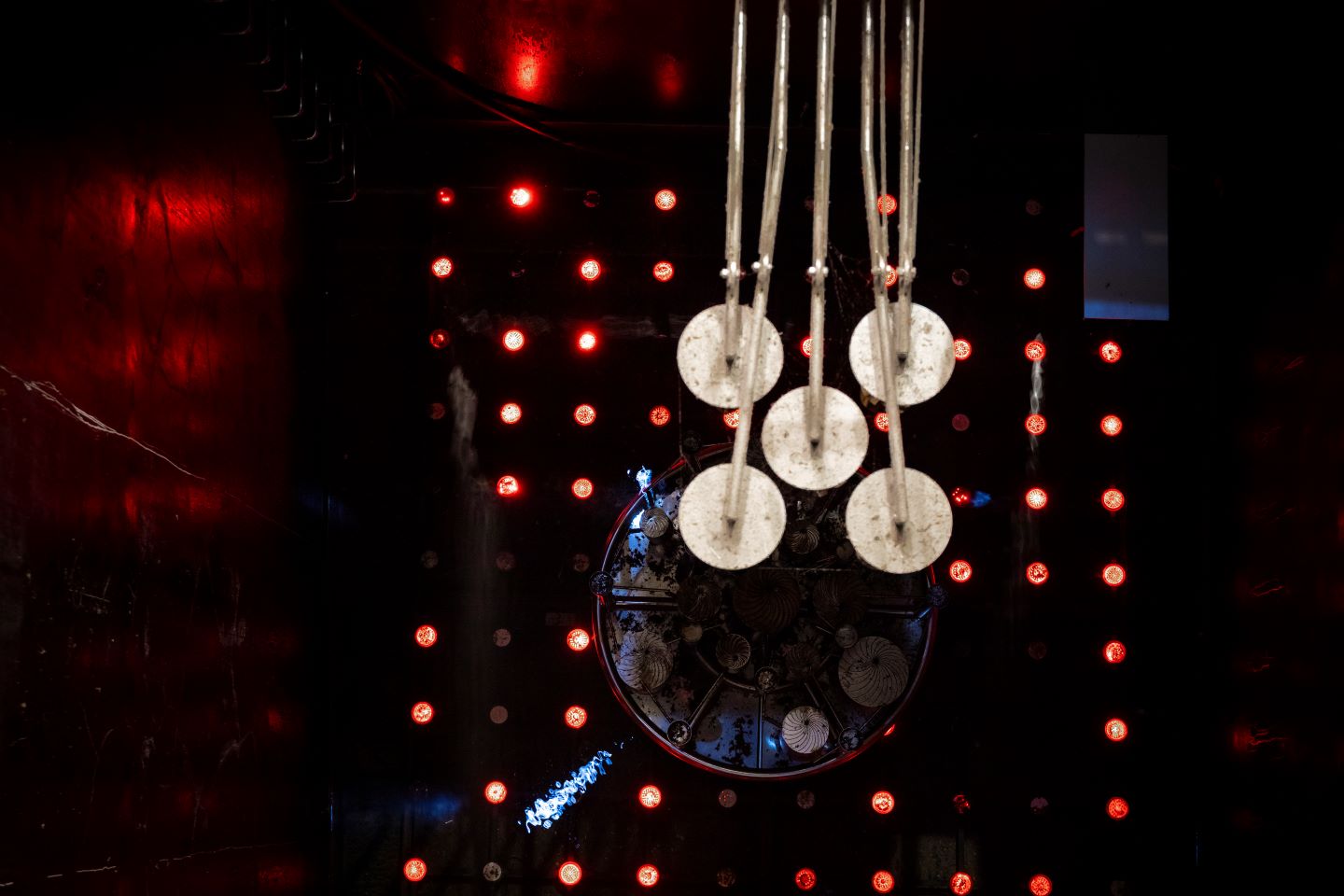
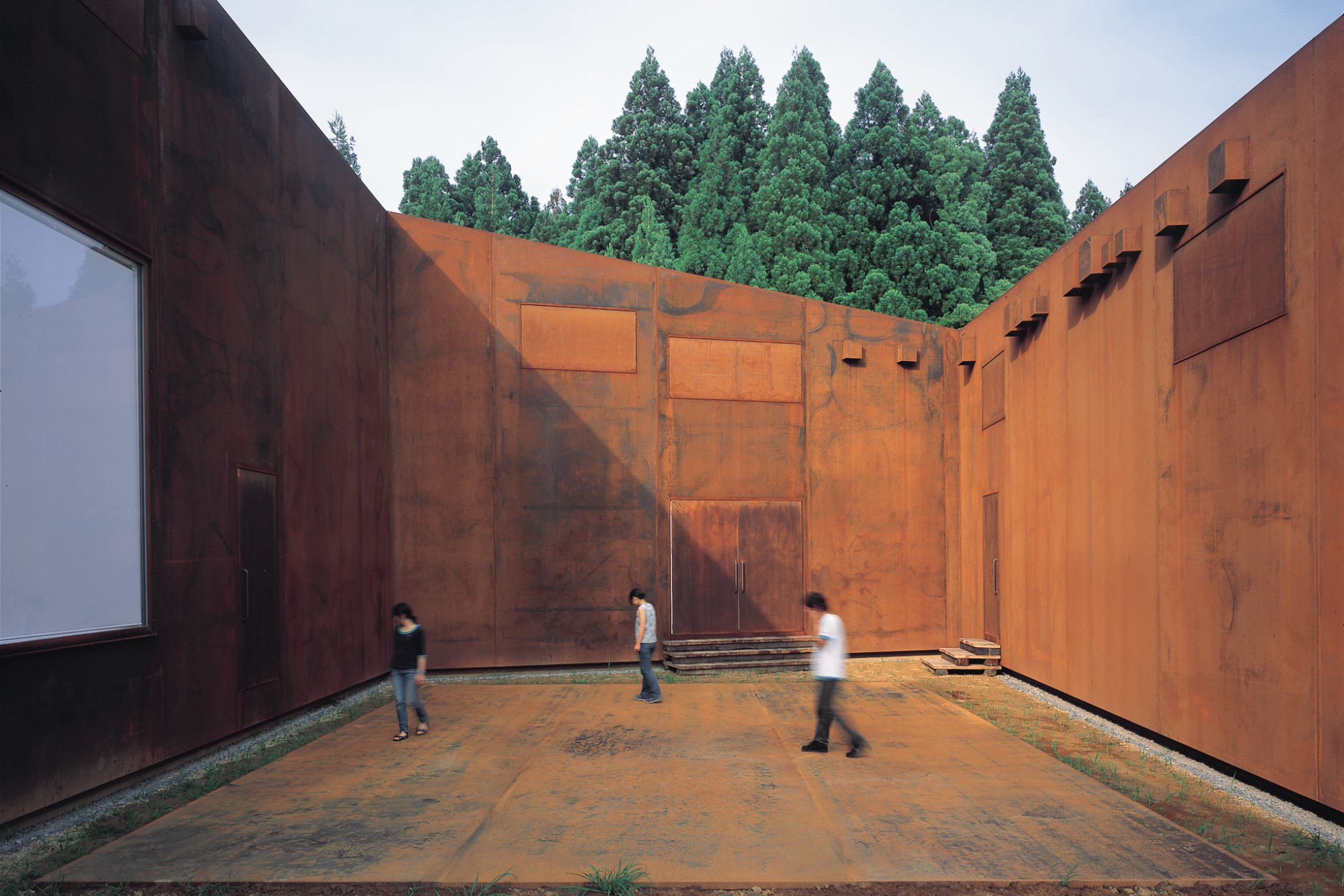
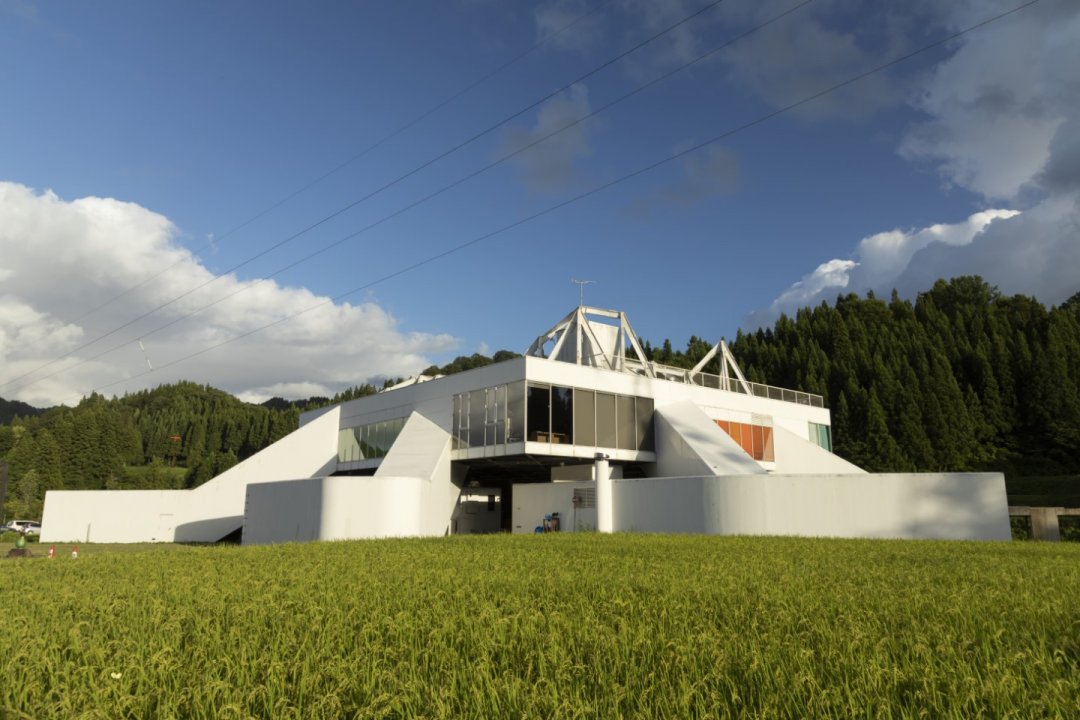
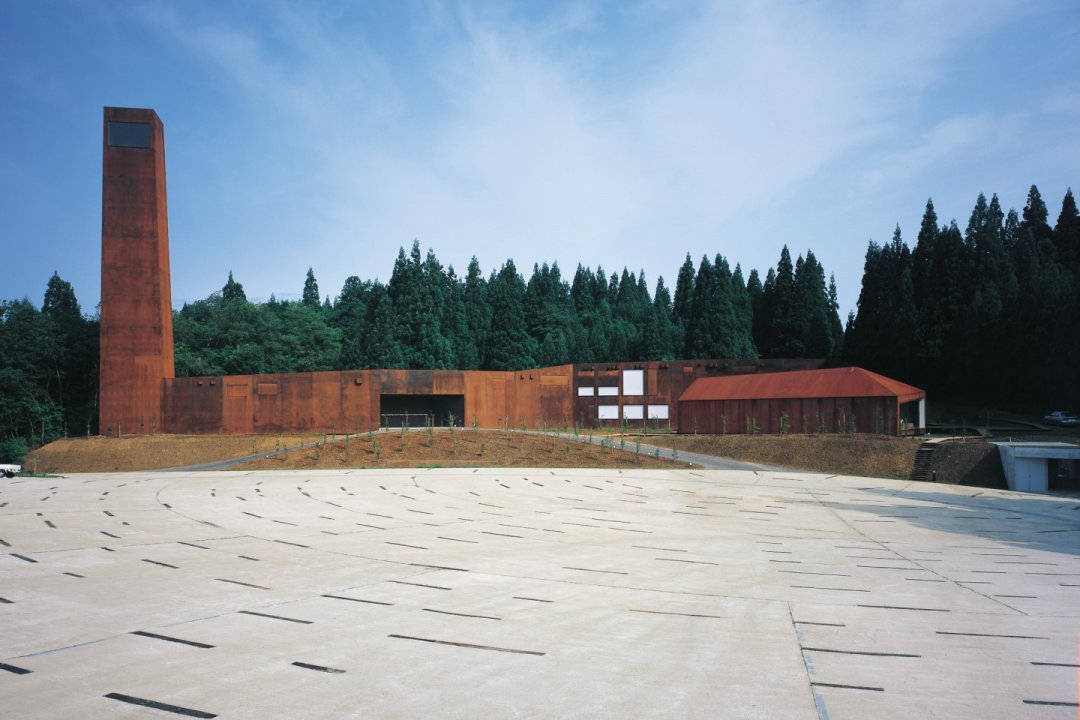
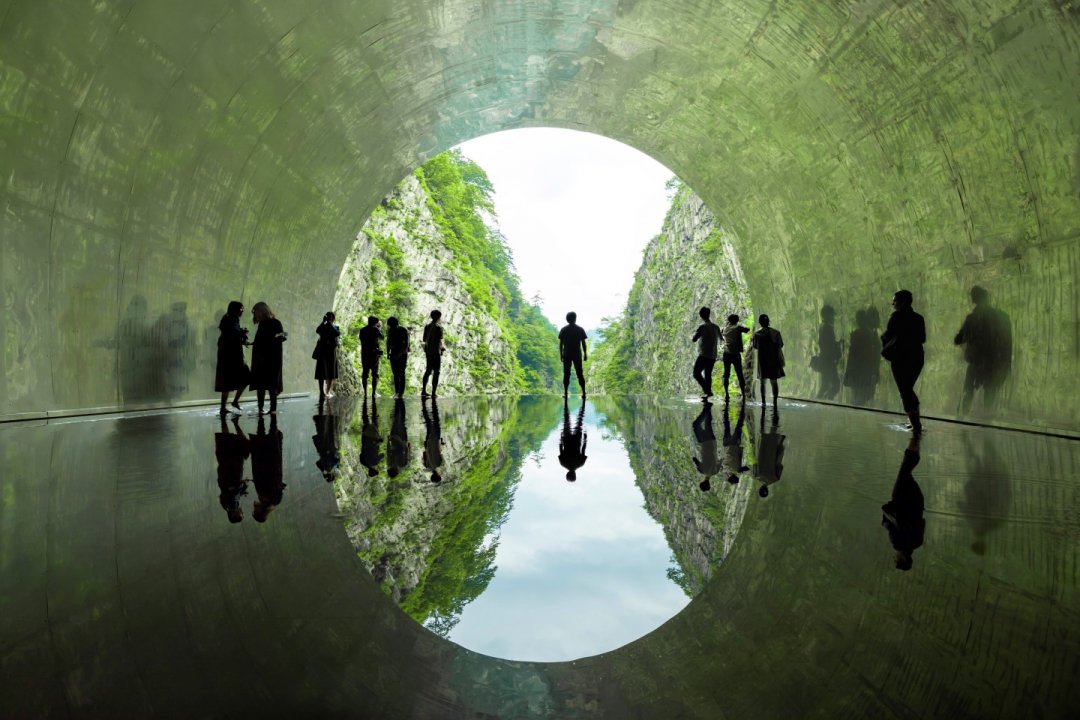
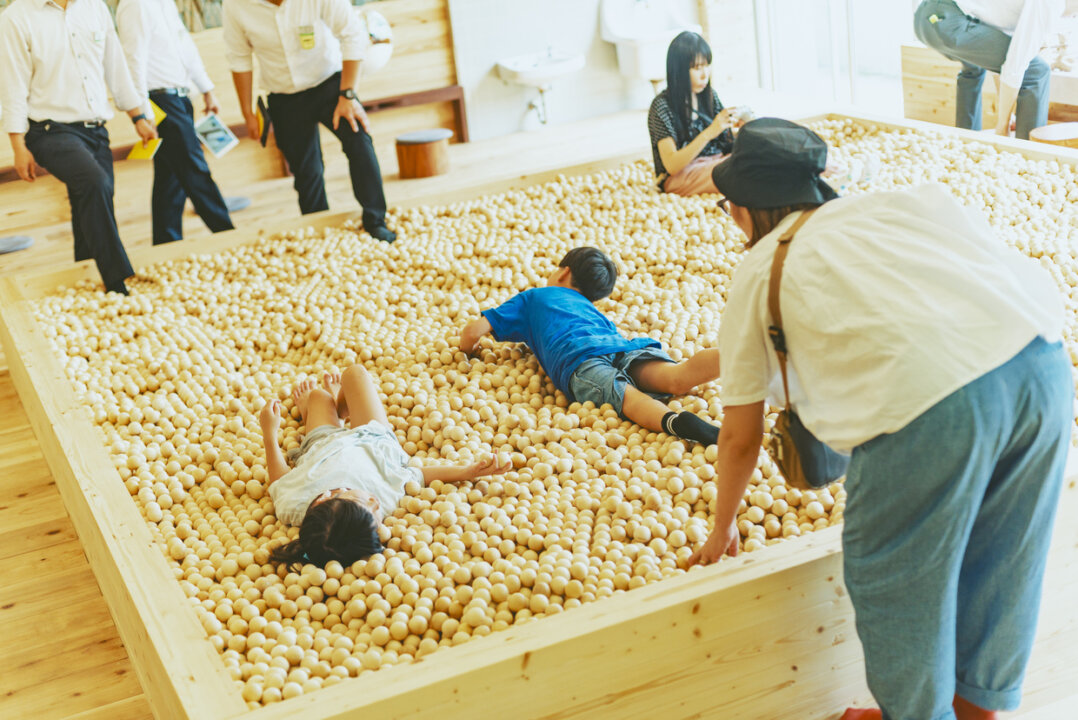
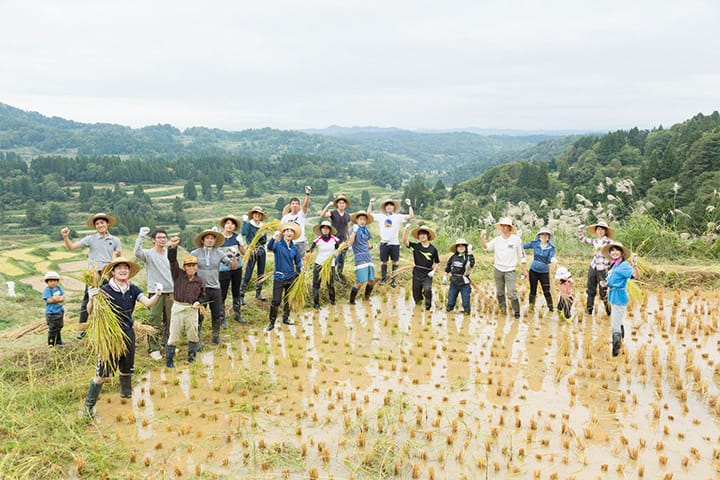
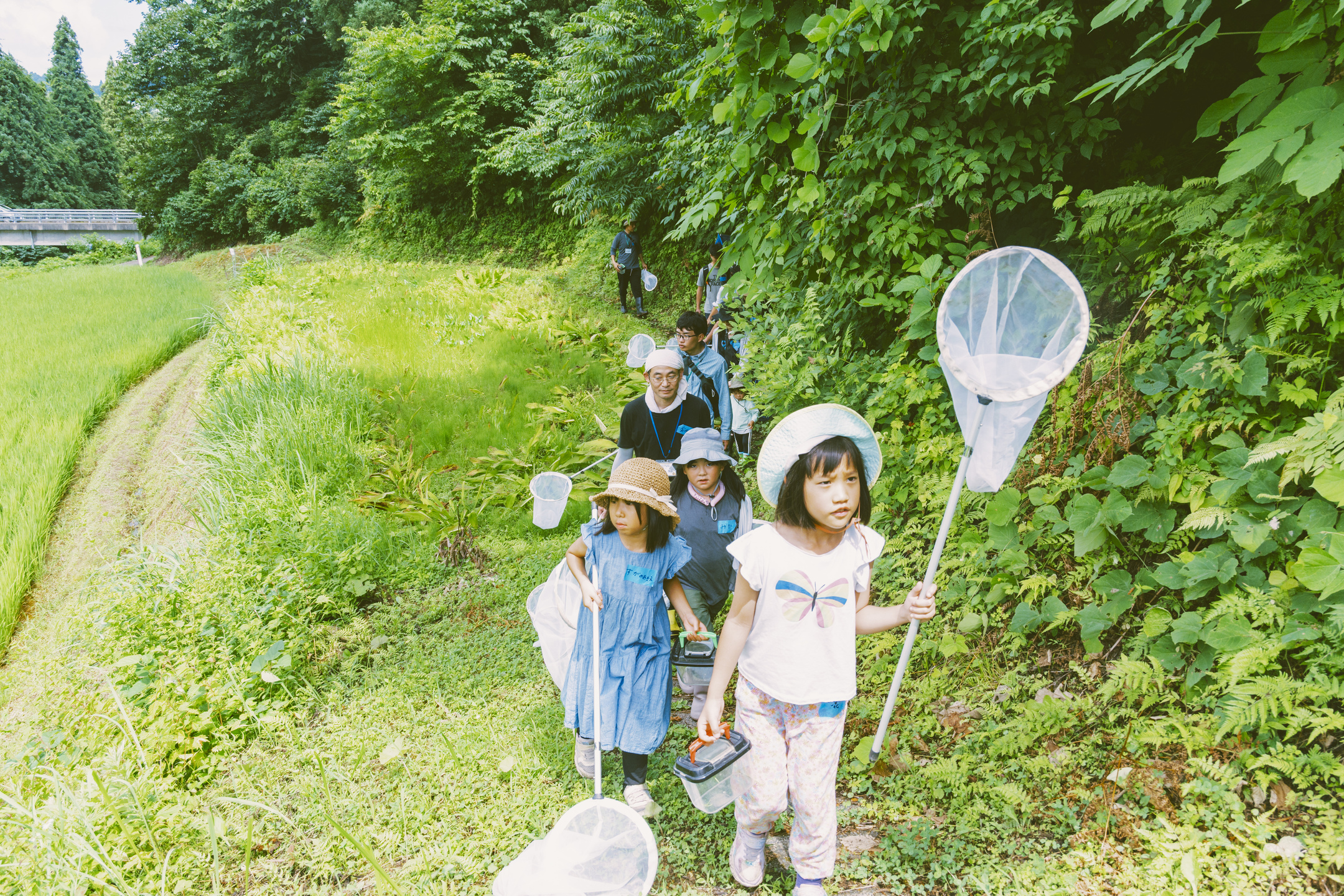
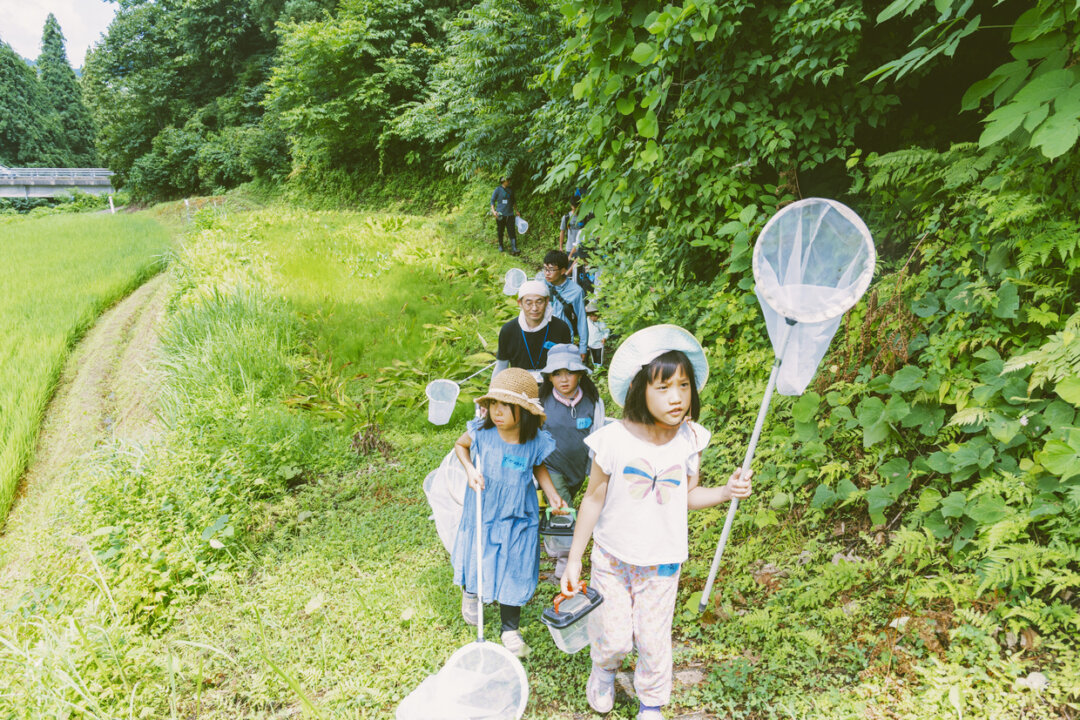
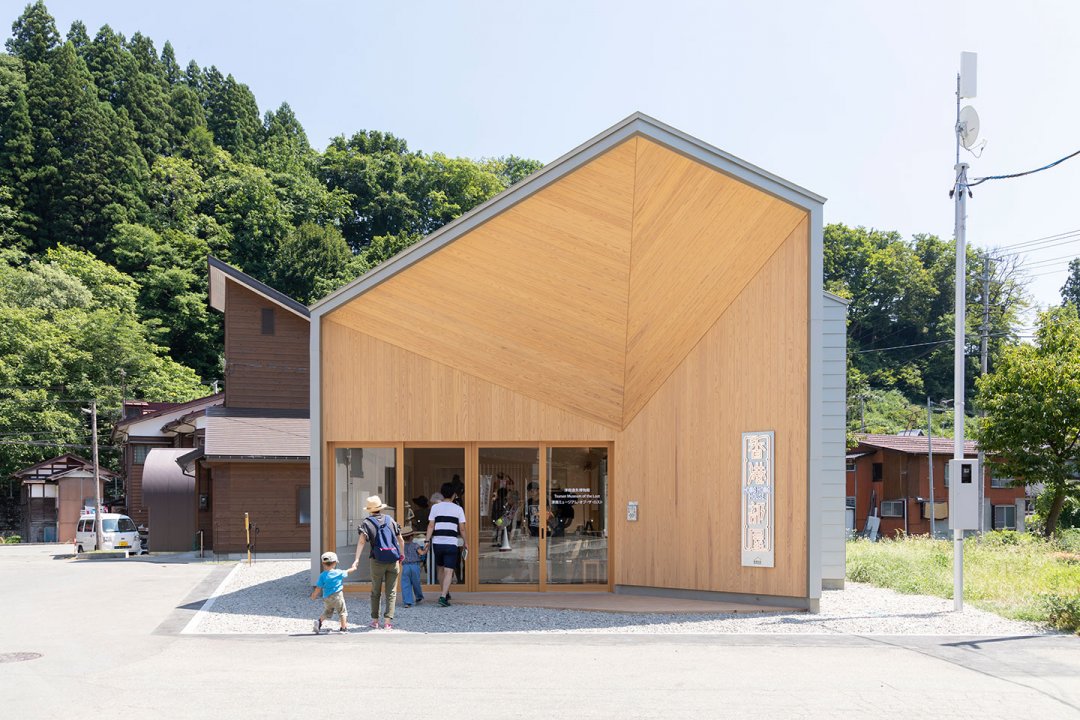
| The Matsunoyama Stage was conceived in response to two tasks : the preservation of rich natural environment such as terraced rice paddies and satoyama, which can be called "original landscape of Japan, and the regional development and independence through enhancing the charms of the town and promoting connections between the local residents and urban people. Focusing on the satoyama 's nature which has been sustained in Matsunoyama Town, the stage aims at making programs to broaden visitors' interest from local nature's preservation to the most advanced science and global environmental issues through playing and studying in the satoyama. It also provides children with field programs to play and study in nature using their five senses. Its objective is to create a new relationship between the city and the satoyama in order to play a central role of making forests through collaboration between the locals and urban people. . The Information Booth at the entrance of the museum provides fresh data on Matsunoyama in topics ranging from nature to human life of Matsunoyama, which are collected daily and updated by the residents for the goal of making the "Encyclopedia Matsunoyama". Visitors trip around the region, a "living text", with the information acquired at the museum.. The Amusing Boxes, a collection in about 200 drawers, contain oddments from the nature and culture of Matsunoyama, including snake skins, cast-off shells of cicadas, objects made at workshops, which were brought by local pupils. The designer of the facility, Takaharu + Yui Tezuka, collaborated with five artists with the theme of experiencing cosmic rays, water, sounds and nature. Satoru Ikeuchi, an astrophysicist on the graduate faculty of Nagoya University was invited to serve as advisor to this project. http://www.matsunoyama.com/kyororo/ |
|
|||||||