
Page : Top > About Triennial


The Echigo-Tsumari Art Triennial is the world's largest international art festival, held every three years in the Echigo-Tsumari region, encompassing Tokamachi City and Tsunan Town in Niigata Prefecture. The Triennial has been held three times so far, in 2000, 2003, and 2006, as a place to exhibit the results of a long-term project called "Echigo-Tsumari Art Necklace Project," whose goal was to draw out the value that can be found in the region, raise that value, show it to the world, and by doing so contribute to regional revitalization through the medium of art. Preparations have already begun for the fourth Triennial, to be held in 2009.


The Echigo-Tsumari Art Triennial will be held for the fourth time and will enter its new phase. The artworks created in rice paddies, abandoned houses, and closed schools by collaboration and exchanges between local residents and urban supporters, artists and the satoyama nature, elderly people and young people have told us the endeavors of our ancestors who have been engaged in the earth through agriculture and brought many people sympathy with Echigo-Tsumari full of local elderly people's smiles.

Now, not only artists but also international institutions and universities have begun being involved in Echigo-Tsumari as a place of hope. Echigo-Tsumari has been active as a venue of performance, music and visual arts. It is expected to revitalize the region by adding human activities to local existing resources.

For the fourth Triennial, 150 artists from 26 countries, including those selected through two open competitions (the total number of the applications is 620), will create site-specific works based on the communities which intend to collaborate with them. Many artists who have continued to be committed with the communities will also participate. Come and visit Tsumari next summer.

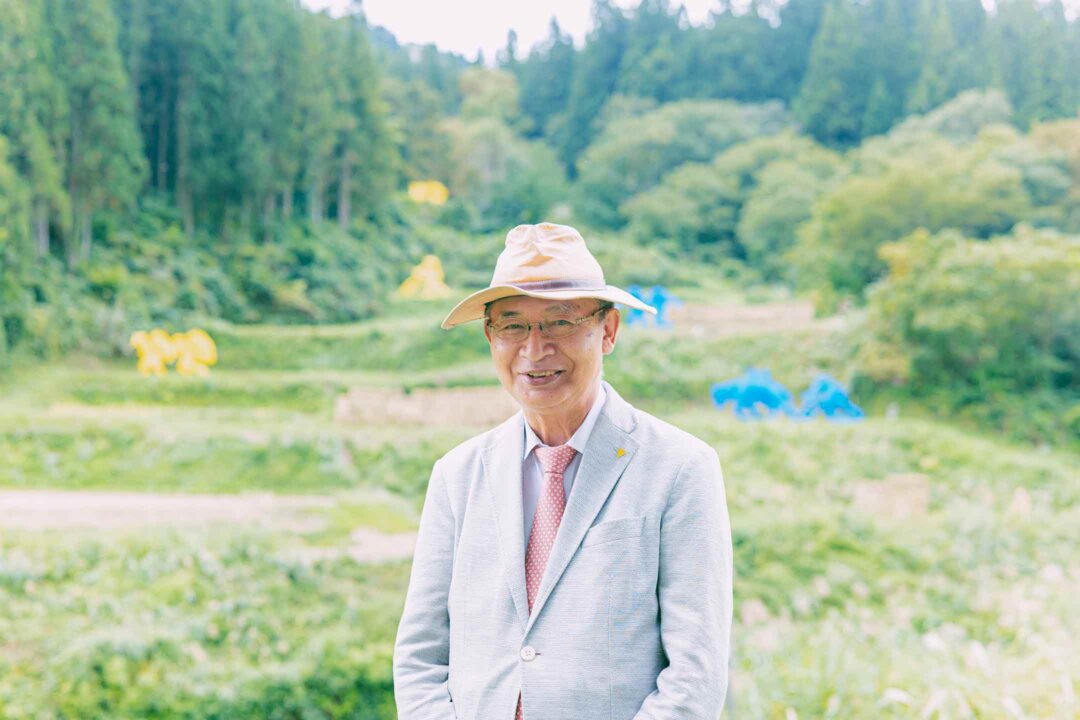
Fram Kitagawa
General Director
Echigo-Tsumari Art Triennial


Now Echigo-Tsumari's life and work, nestled in rich natural surroundings, is at a turning point in its history as a culture. This provides us with an opportunity to review our stance toward the global environment and revise the modern paradigm, which has led to environmental disruption. This gave birth to the basic theme that "Human beings are a part of nature." Regional development is going forward in Echigo-Tsumari, with the aim to become a model community that can demonstrate various possibilities for relations between people and nature.

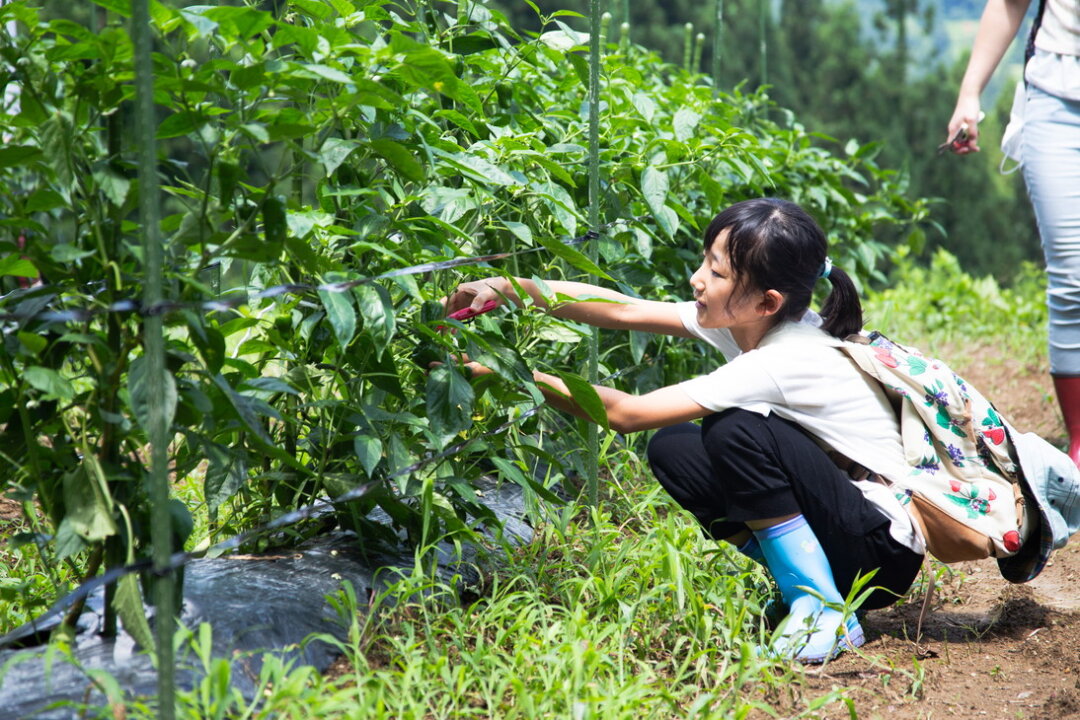
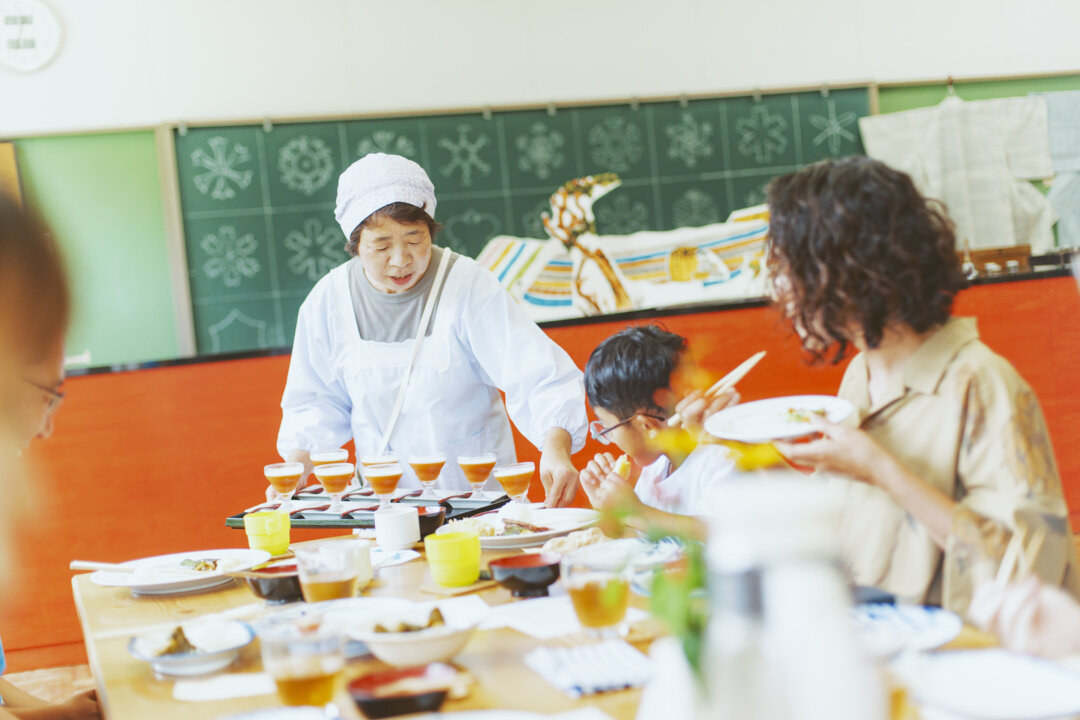
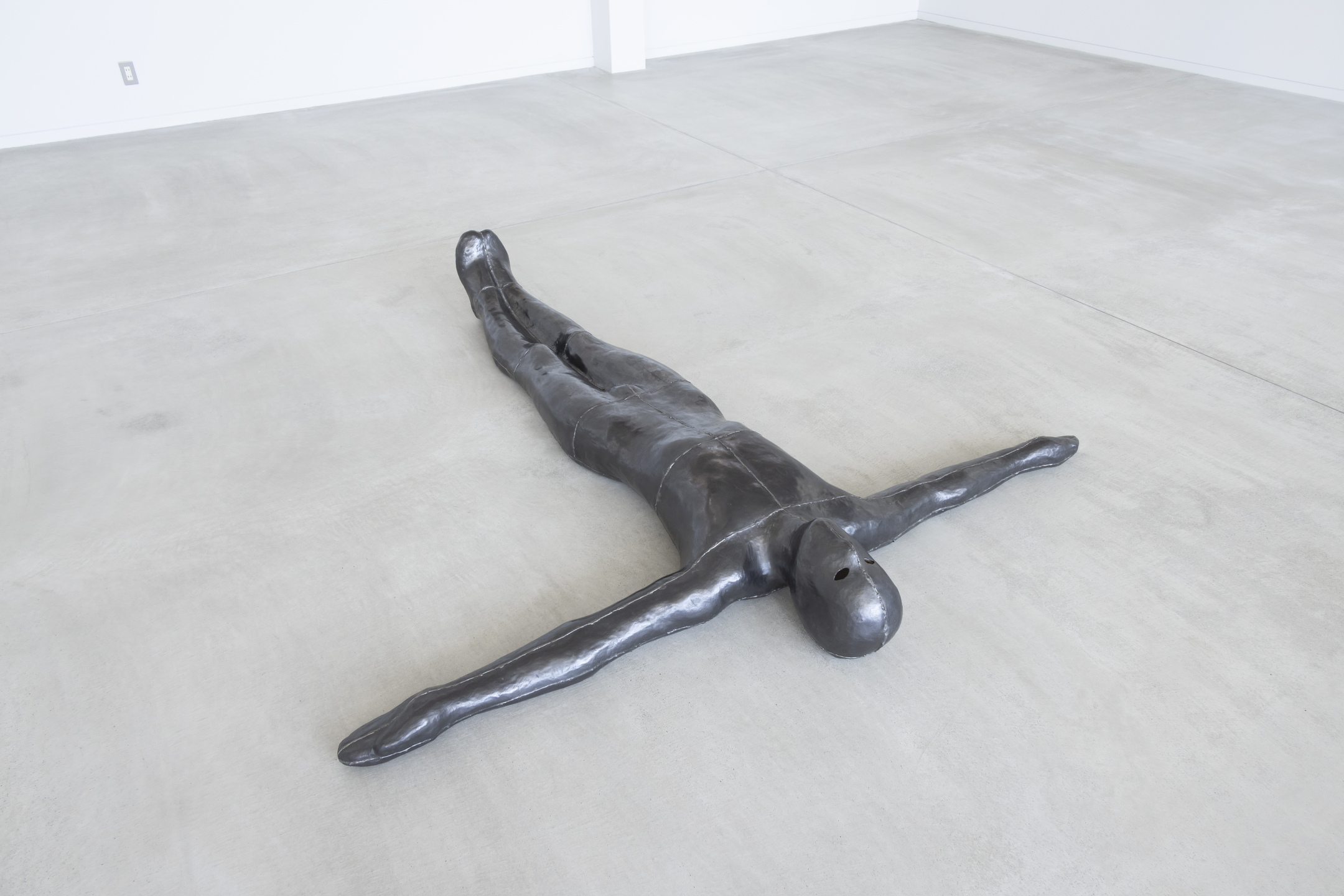
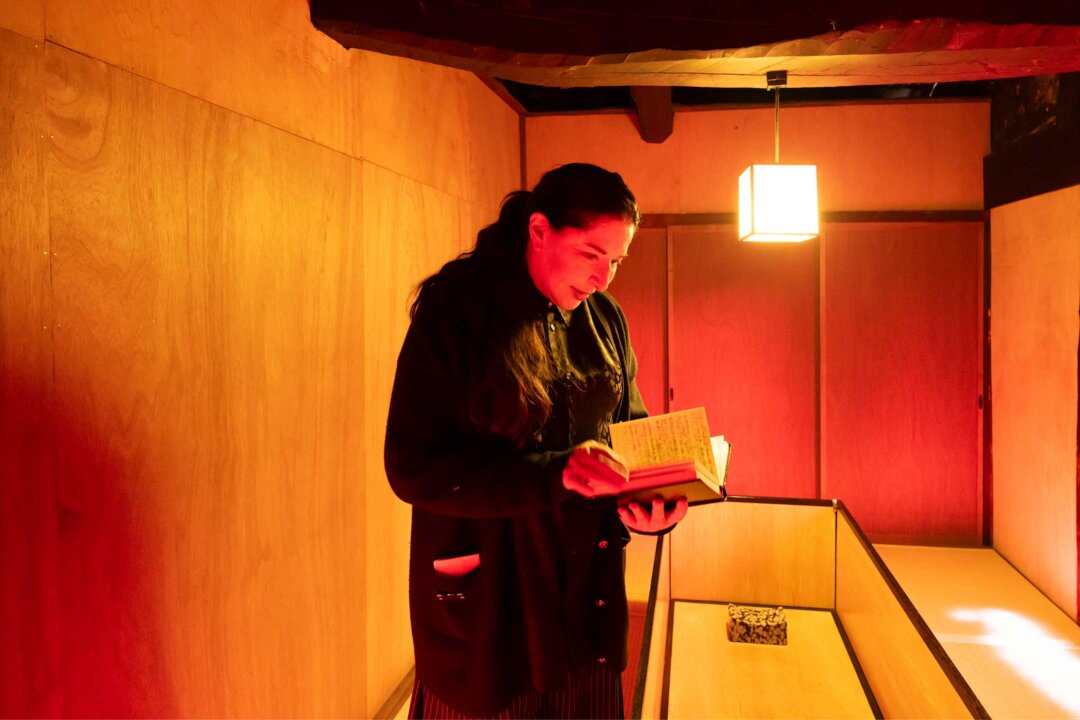
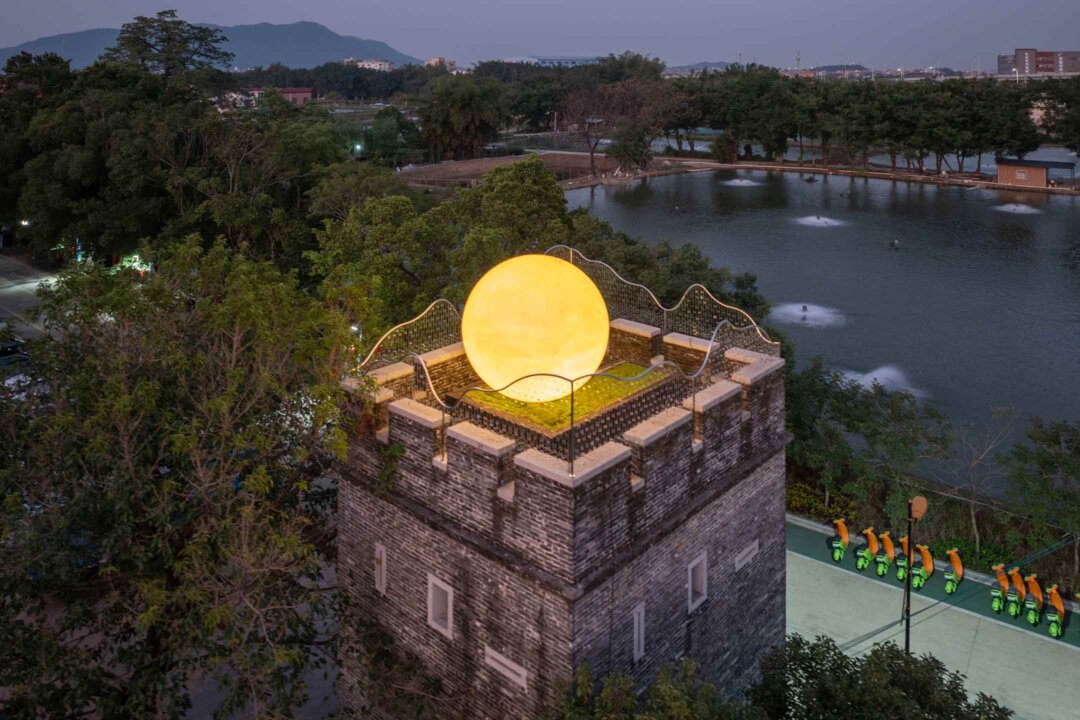
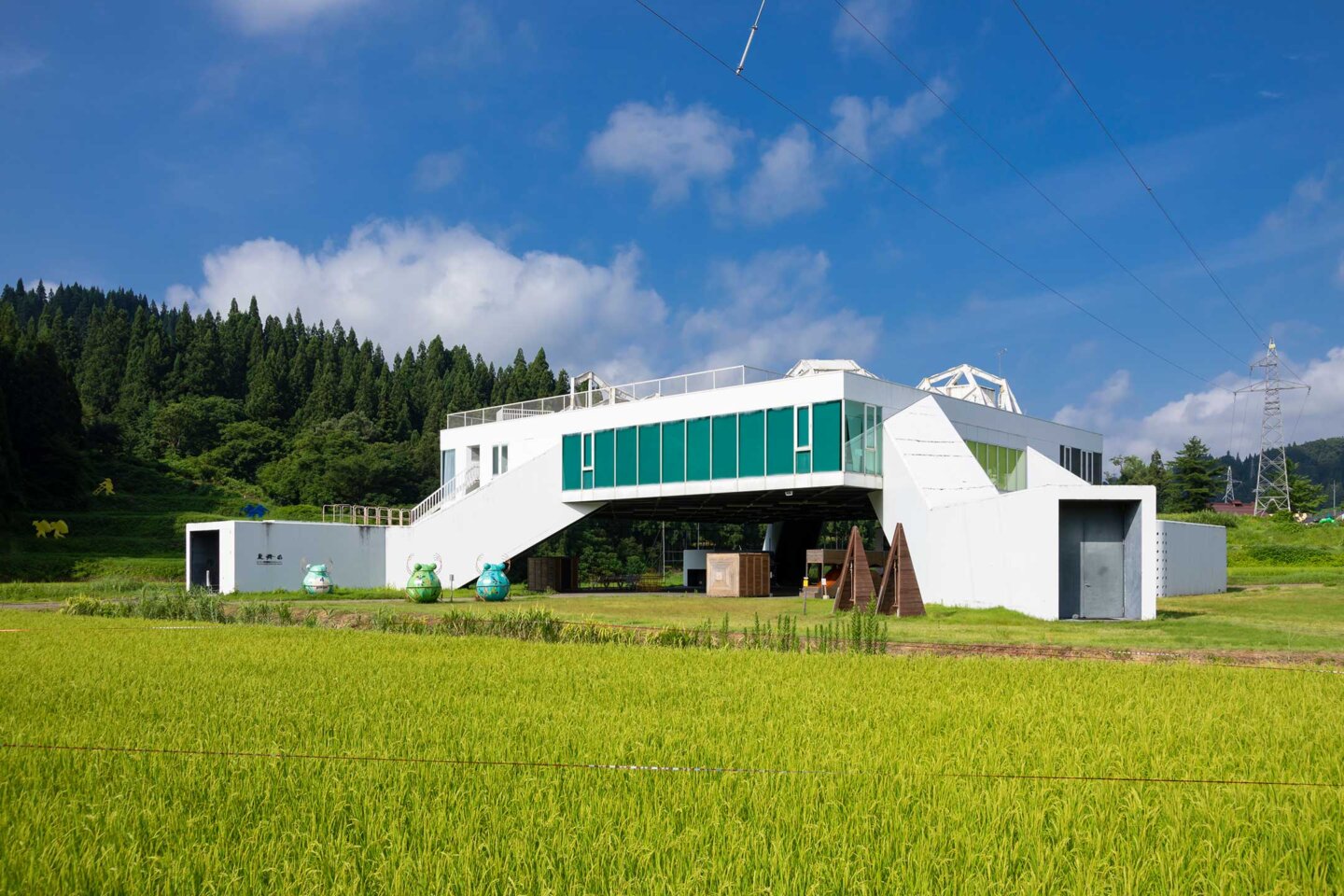
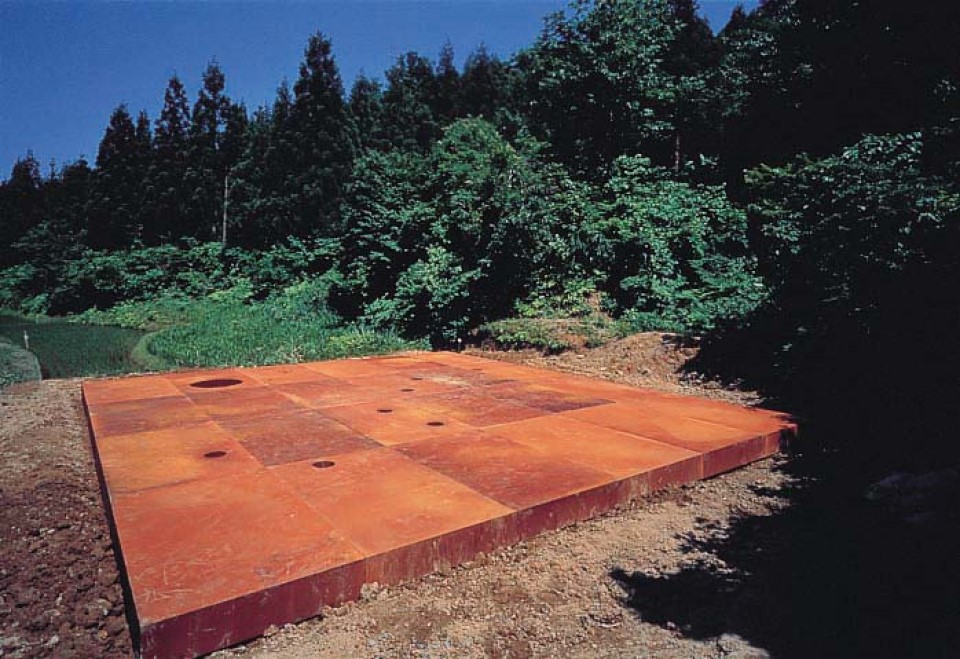
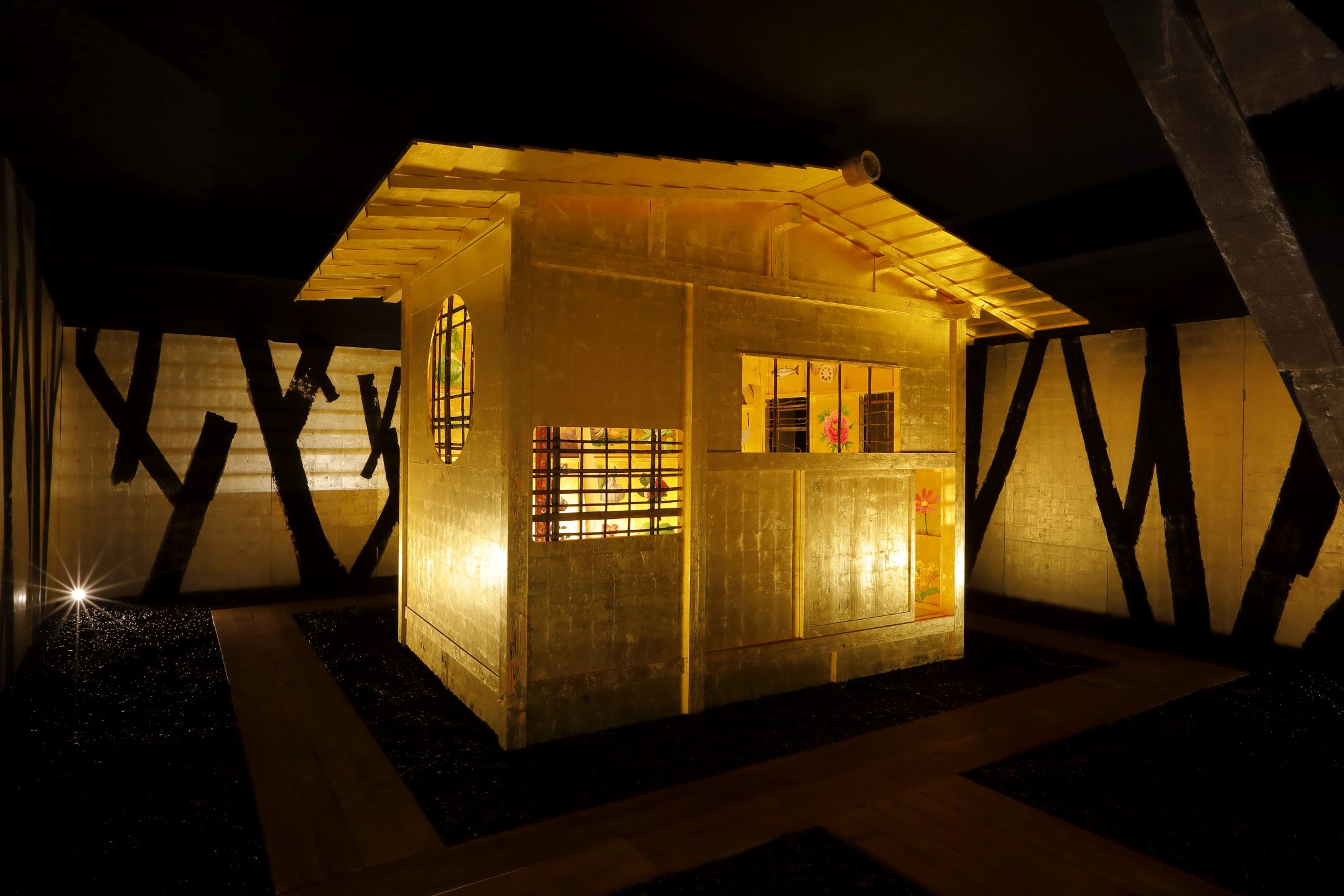
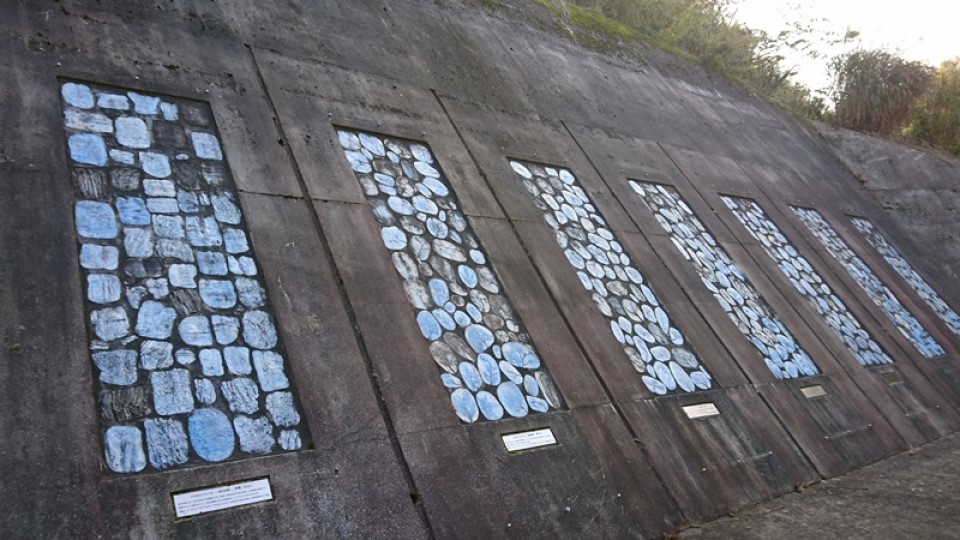
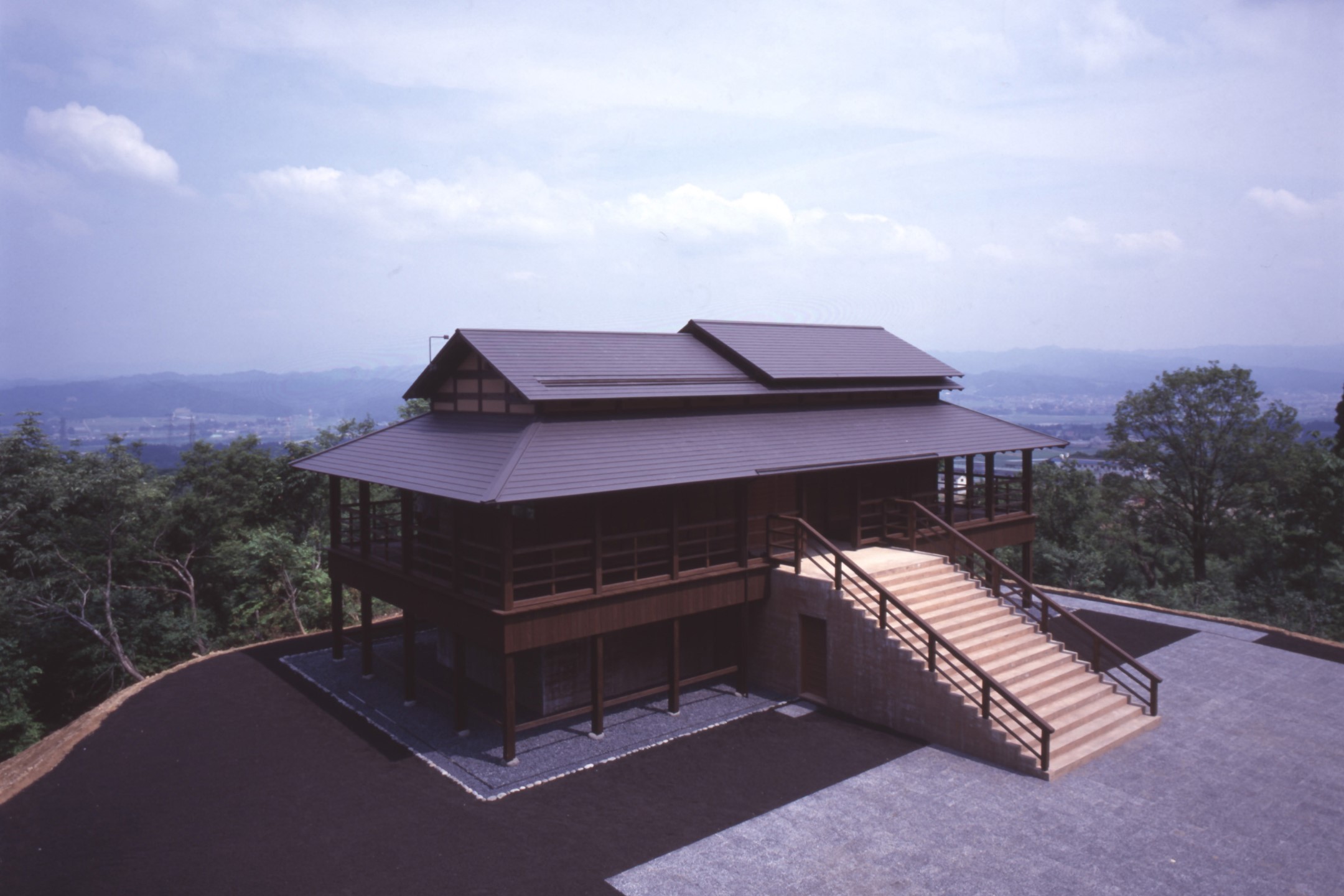
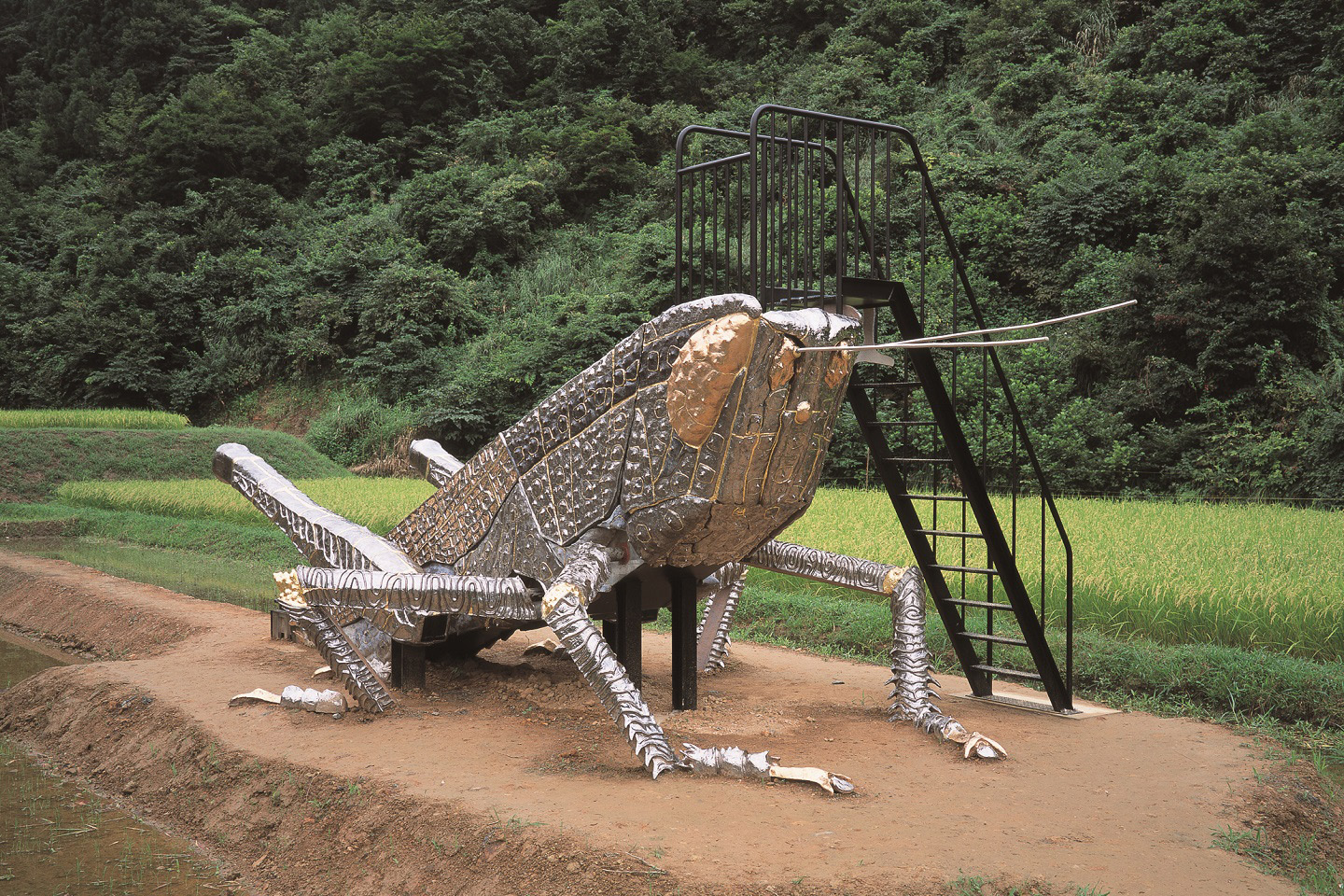
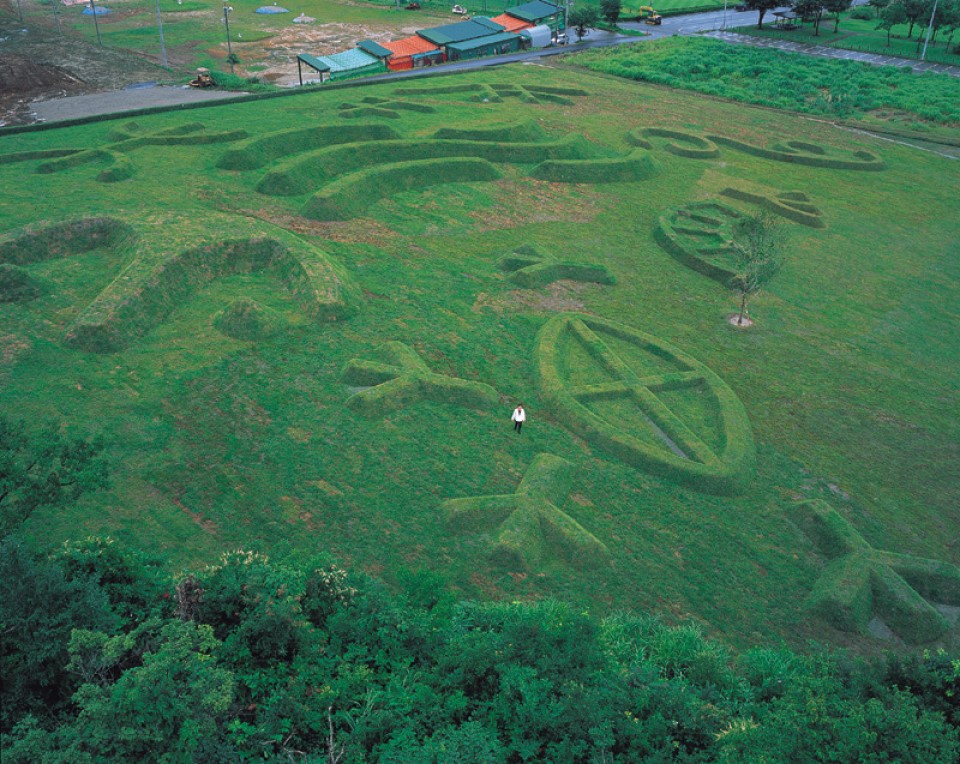
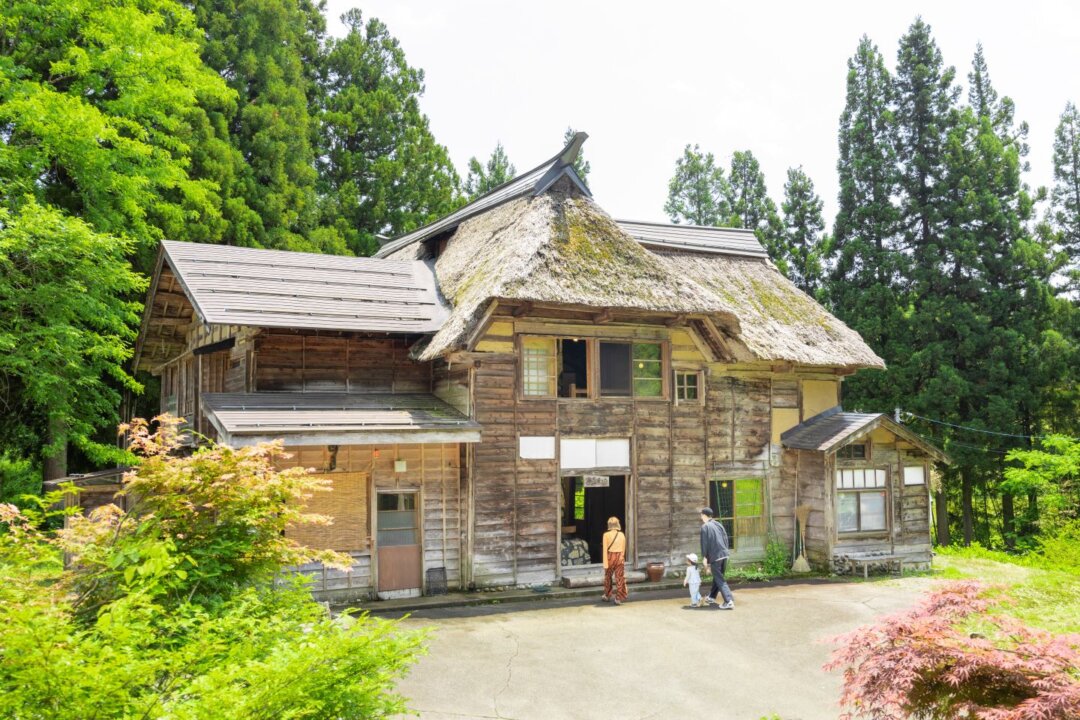
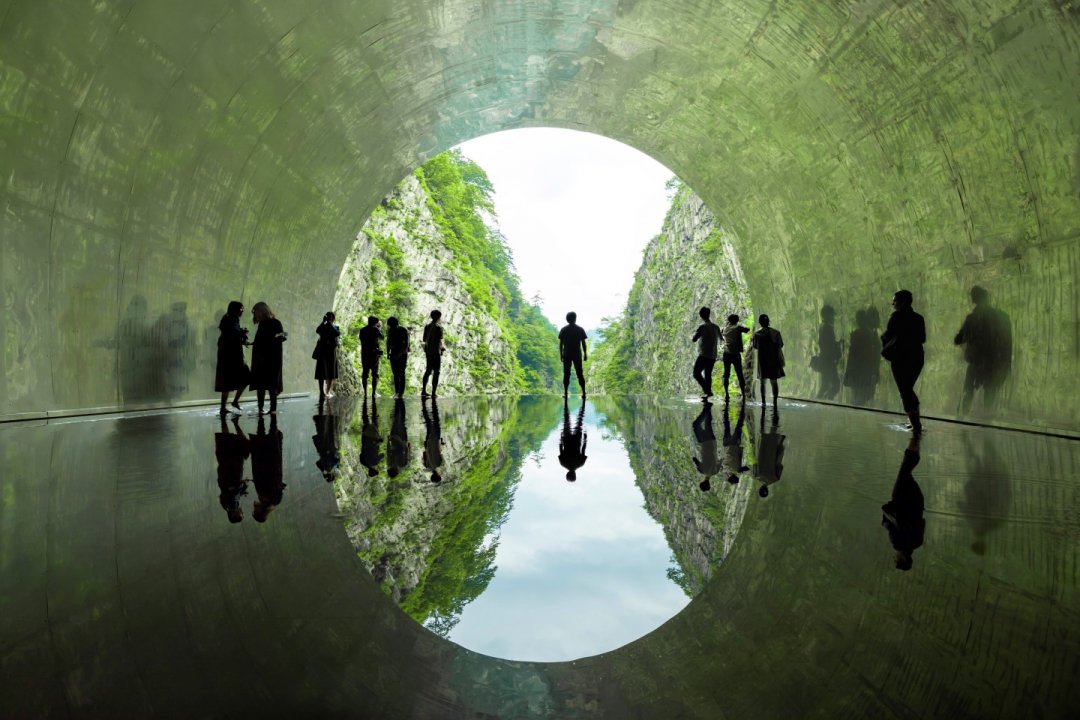
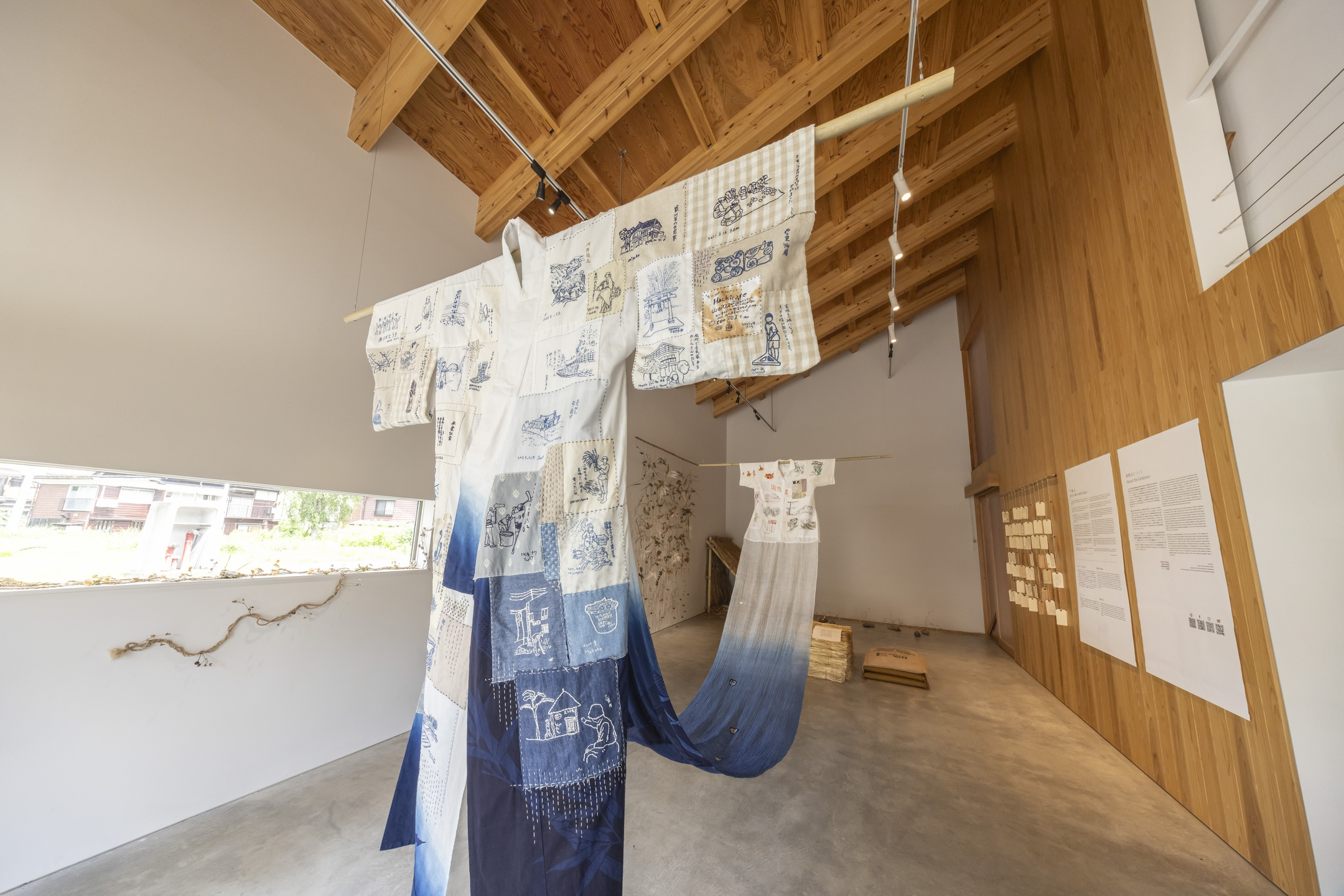
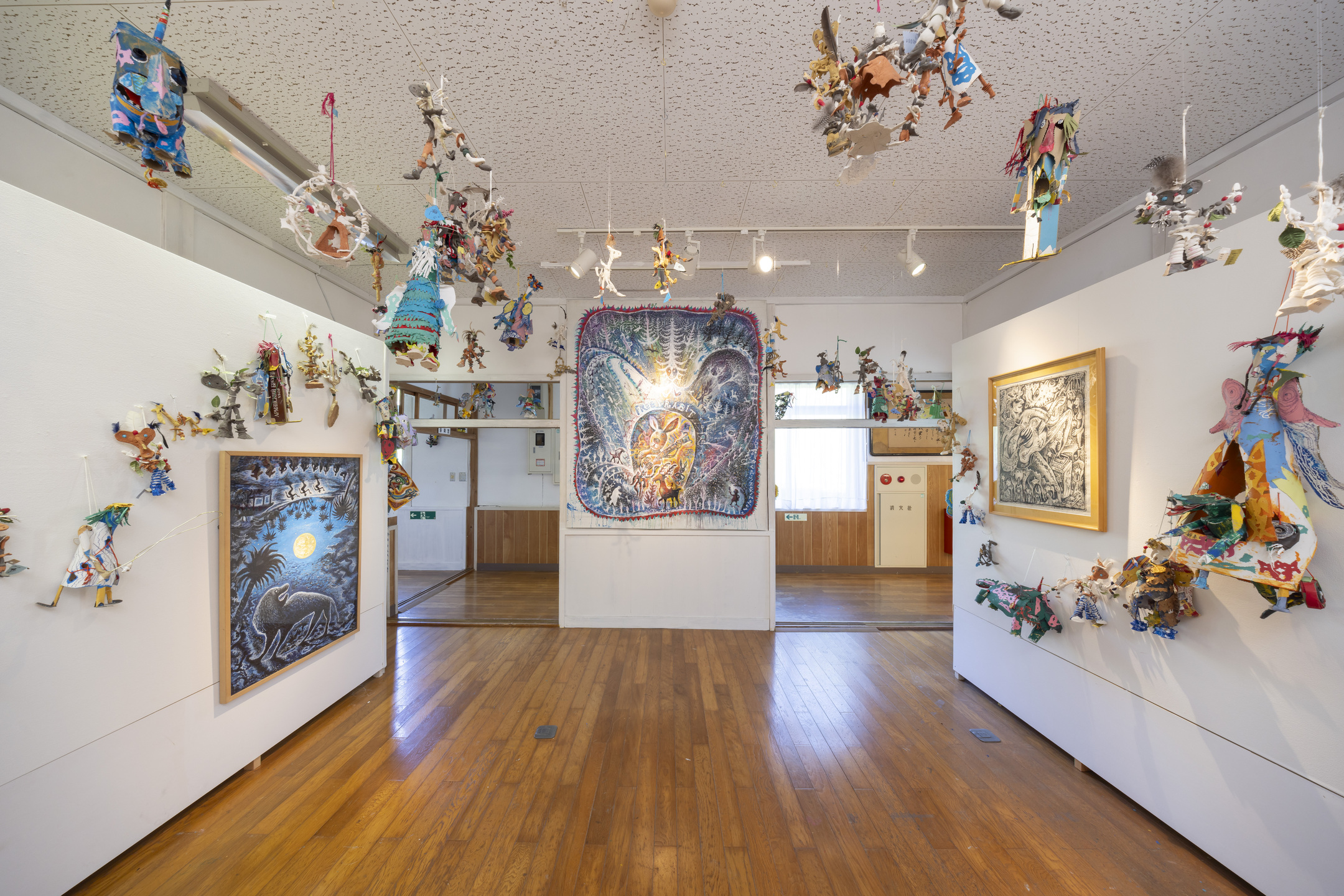
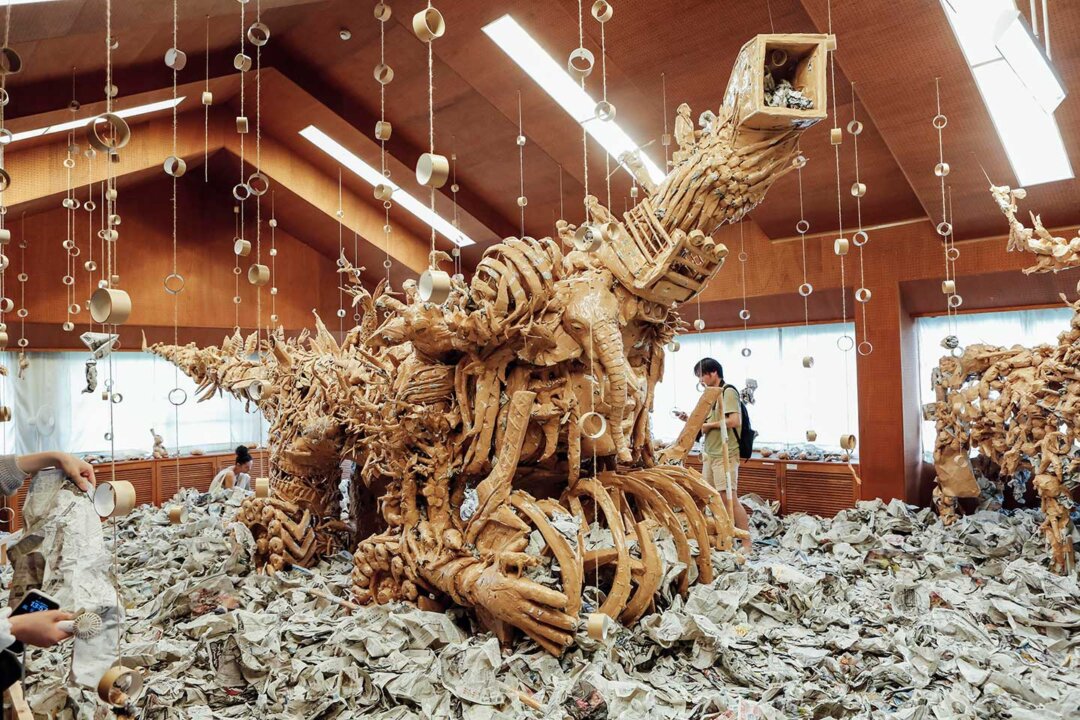
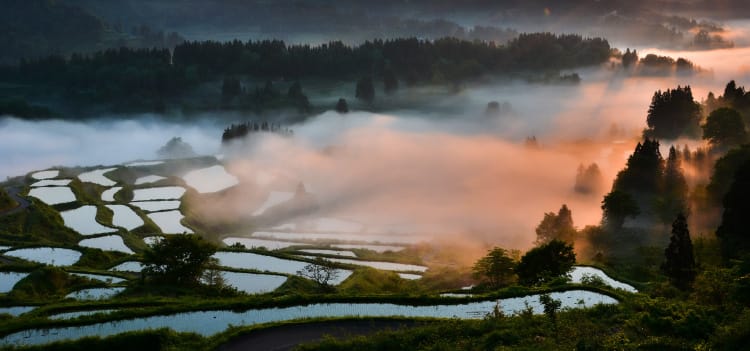
The 20th century was an age of cities. But as cities fell into crisis, works of art inevitably became dark and withdrawn. Art seemed headed for a state that would inhibit its ability to create a bright connection of place to people, and people to people. In contrast to cities' repression, in Echigo-Tsumari artists have rediscovered the joy of solidarity and collaboration that art had seemed about to lose. At each presentation of the Echigo-Tsumari Art Triennial to date, a large number of works were sprinkled over a wide area - on mountains, in and around rivers and terraced paddy fields and charming villages - and 150 still remain in place. For the third Triennial, 330 pieces were installed, including works newly produced by 200 groups of artists from 40 countries. In contrast to today's obsession with rationalization and efficiency, instead of concentrating these works in one place, Echigo-Tsumari Triennial has adopted a blithely non-efficient - yet effective - way of scattering pieces across 200 communities. Visitors liberate their bodies and senses and feel the life of the community while visiting works of art that highlight the beauty and richness of the satoyama as well as the human time accumulated there.

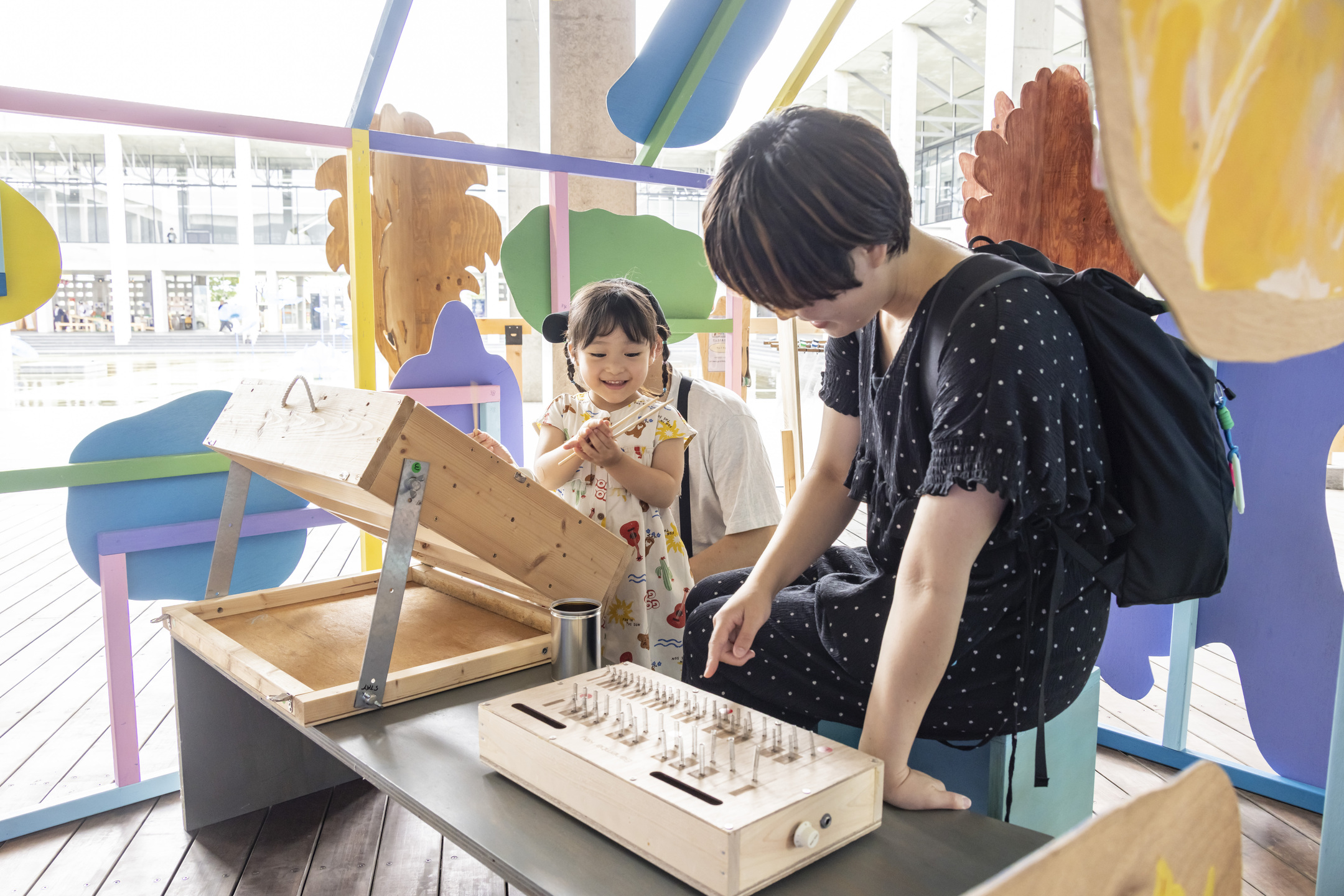
Art has the ability to connect people to people, people to place. In Echigo-Tsumari, in the creation of a work an artist is obliged to communicate with others. Starting with the expression of intent to create a piece on someone else's land, the effort and enthusiasm of the artists moved and involved the residents. Thus they too were committed to the work - not as "the audience" but as collaborators. The artist's piece turned into one created and shared by the residents that were involved.
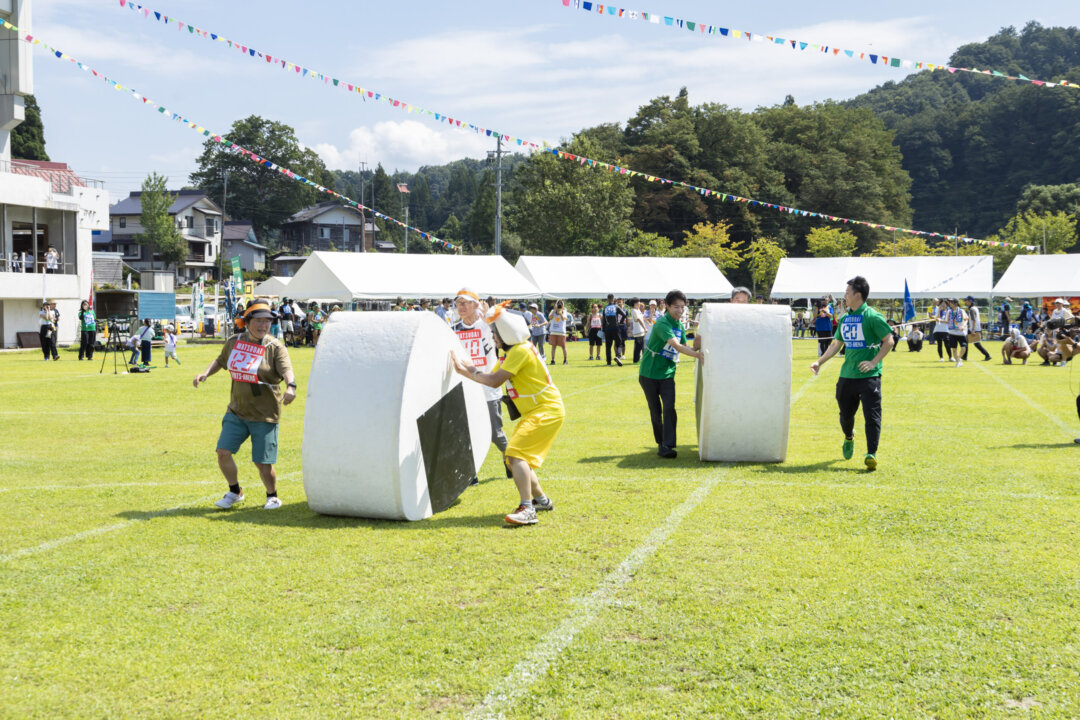
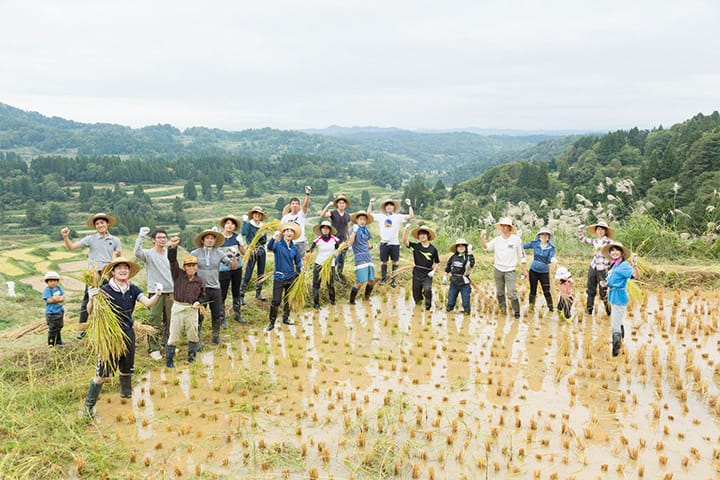
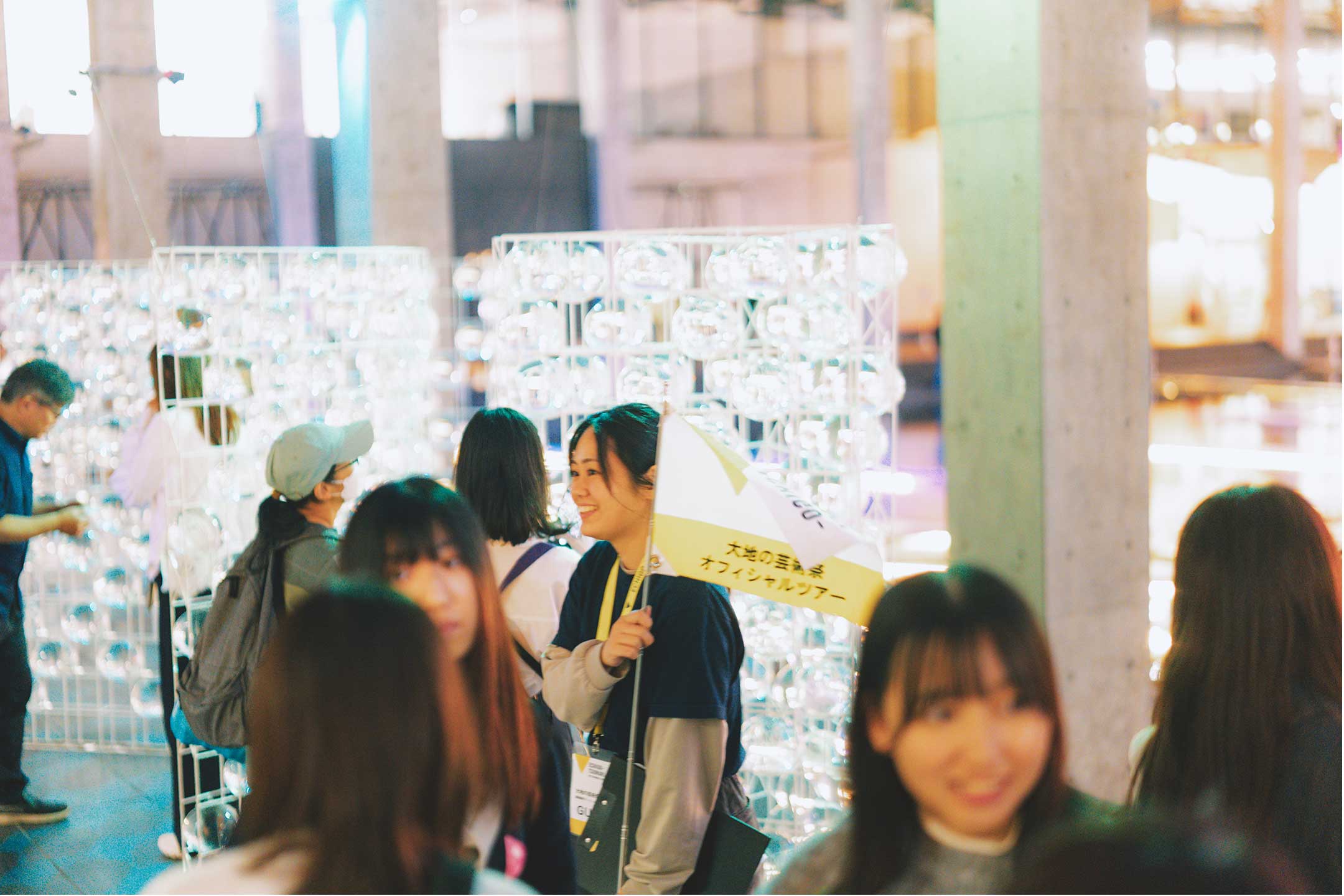
Numerous young volunteers from cities have participated in the Echigo-Tsumari Art Triennial. Two groups, from different regions, types and generations, came together. On the one hand were elderly people who had been farming in the depopulated area; on the other, students from cities, their behavior as yet unknown. This encounter changed the relationship from one of conflict and puzzlement to one of understanding and collaboration. The region was opened up by art and young people.

These artists and their supporters in the cities came to give reconstruction assistance and do snow-clearing in the area following the Great Chuetsu Earthquake in 2004 and the heavy snowfall in two consecutive years, based on the idea of being "helpers of the land." What we learned through this process of collaboration is that for the supporters living in cities, Echigo-Tsumari is a precious "place for building hope." And now, adults have started to involve themselves in Echigo-Tsumari's making of a region, in search of a new homeland for themselves.

The Echigo-Tsumari Art Triennial, unparalleled throughout the world in both scale and quality, has been introduced in the international media as a "new model art festival," and has been widely acclaimed abroad. The idea of using art to create a unique community has attracted attention around the world as the "Tsumari method," and has been discussed in the West and in Asia by curators and other art professionals, local government study groups, international meetings, and symposia.

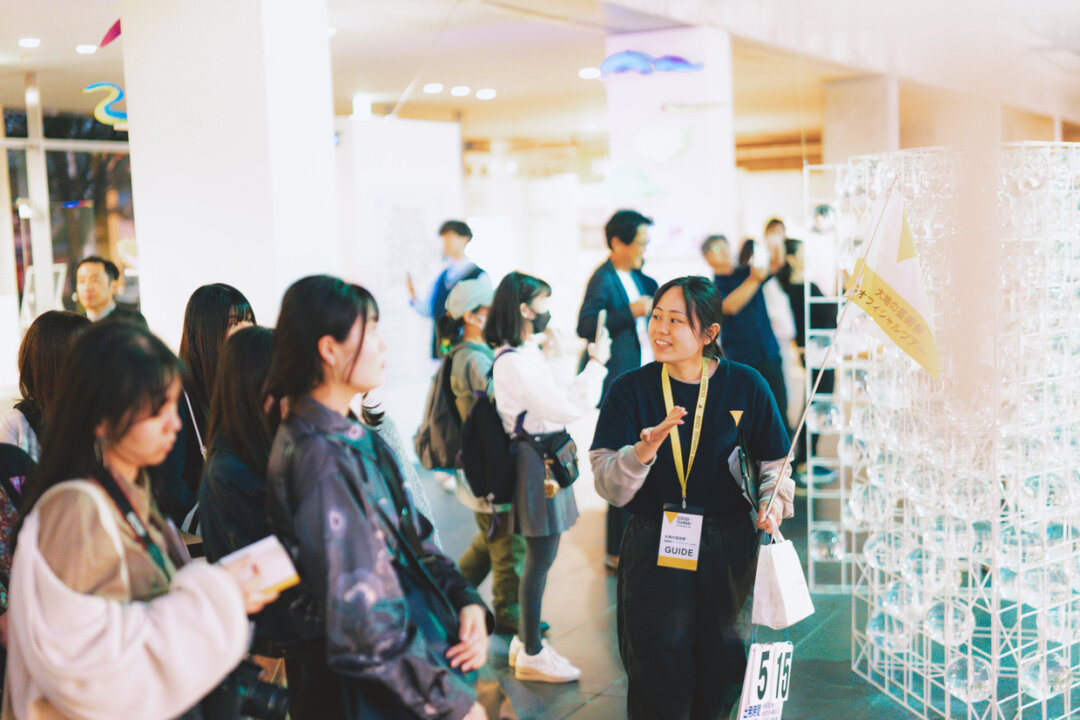
In the Echigo-Tsumari Art Triennial, not only individual artists but also art and cultural institutions overseas have participated and organized workshops and art projects. Collaborations beyond borders have unfolded. Fifteen students from the University of Hong Kong came as volunteers for two weeks, to participate in the creation of works for the Triennial 2006. AsiaLink Australia sent an artist and a curator as part of their own residential program, and France's Palais de Tokyo organized an exhibition of four groups of artists at a closed school building. From the UK, Grizedale Arts sent seven artists, who stayed for over a month to revitalize a mountainous community, Toge, and subsequently exhibited the process of the project at the Liverpool Biennale. In spring 2007, a group of farmers from the Toge community were invited to Grizedale, where they provided guidance on farming and gave cooking workshops. These exchanges are still going on.