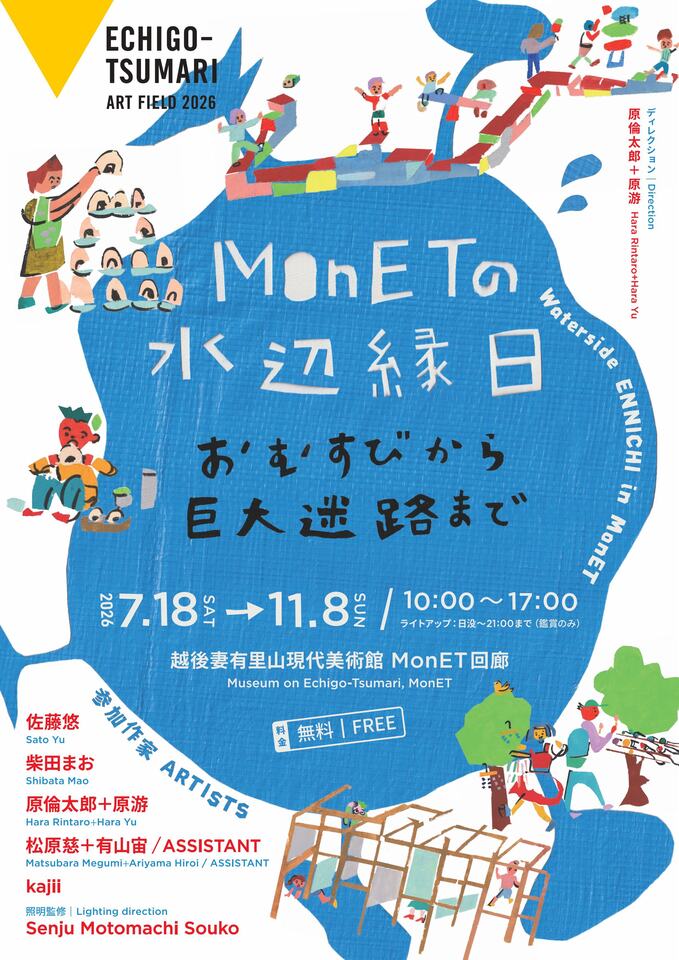
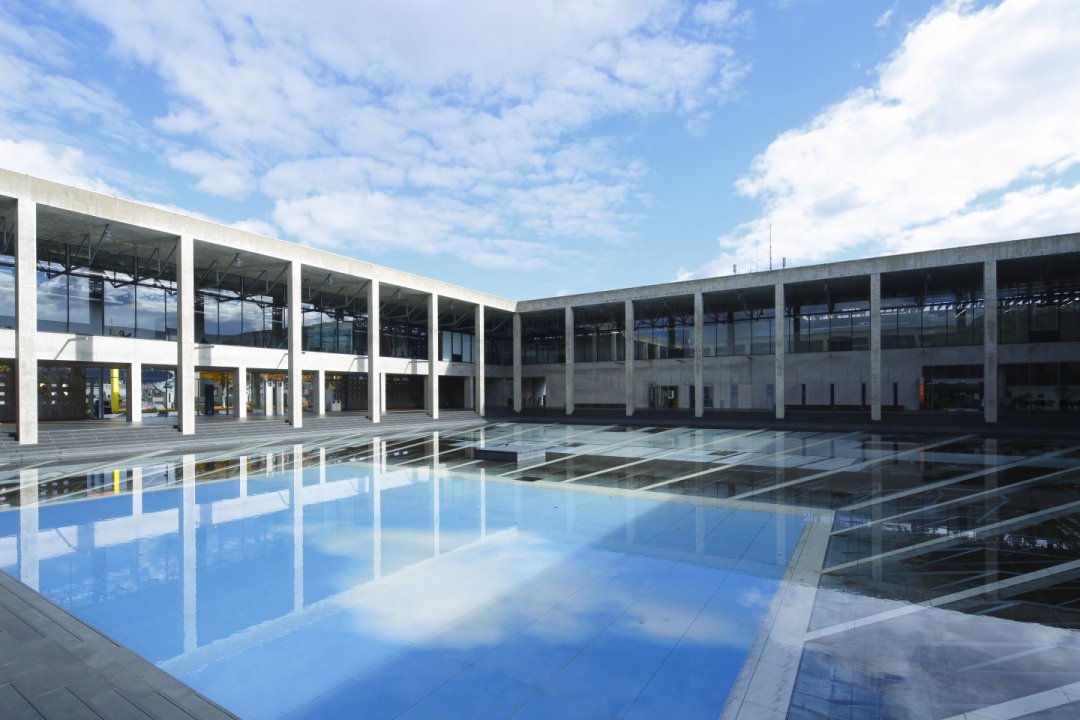
The Museum on Echigo-Tsumari, MonET is pleased to announce “MonET’s Waterside Festival—From Rice Balls to a Giant Maze,” a Special Exhibition scheduled for summer and fall 2026. “En” is a unique Japanese word that encapsulates concepts such as chance encounters, connections, and destiny—ideas often expressed with multiple words in other languages—all within a single character. Furthermore, “en-nichi” (festival) is a quintessential summer tradition—an ancient festival held at shrines and temples, featuring street stalls offering games like goldfish scooping and target shooting, as well as food and drink stands. People can enjoy themselves, play, and stroll about, experiencing a fleeting dream that takes them briefly away from their daily lives. In this exhibition, centered on the theme of the en-nichi, we will showcase a collection of artworks focused on various games—both large and small—that can be enjoyed alone or with others.
In the *Ryōjin Hisho*, there is a poem that reads: “Was I born to play? Was I born to frolic? When I hear the voices of children at play, even my own body stirs.” Could one of the reasons humans are born be simply to play? If we think of it that way, perhaps the harshness and absurdity of daily life might be softened just a little. In the history of art, artworks centered on the theme of “play” have been a major focus, not only in Surrealism and Dadaism but across the board. In the contemporary era, this has evolved into experiential art, and our museum has previously hosted numerous Special Exhibitions themed around water play and snow play. At night, the artworks will be illuminated. Whether during the day or at night, we invite you to experience this time of “play” with your whole body.
Event Overview
[Dates and Times] July 18 (Sat) – November 8 (Sun), 2026, 10:00 a.m.–5:00 p.m. (Last admission at 4:30 p.m.)
[Admission] Free admission to the corridor
[Lighting] Sunset – 9:00 p.m.
【Direction】Hara Rintaro + Hara Yu
【Participating Artists】Sato Yu, Shibata Mao, Hara Rintaro + Hara Yu, Matsubara Megumi + Ariyama Hiroi / ASSISTANT, kajii
【Lighting Supervision】Senju Motomachi Souko
Related Events
▼Opening Gallery Talk Tour
On the first day of the event, there will be an opening gallery talk led by the curator in the form of a guided tour.
[Date and Time] Saturday, July 18, 2:00 PM–
[Venue] Museum on Echigo-Tsumari, MonET Corridor
[Admission] Free
▼MonET Waterfront Night Market
The event kicks off with Kajii’s musical instrument-making workshop and performance, followed by interactive artworks and a special evening opening of the museum. Starting in the evening, food stalls will line the corridors, adding a lively atmosphere to the event. It’s a one-day-only special nighttime festival.
[Date & Time] September 5 (Sat)
[Venue] Museum on Echigo-Tsumari, MonET Corridor◆Schedule
2:00 PM– kajii Instrument-Making Workshop
3:00 PM– kajii’s Everyday Object Instrument Concert: “Tableware Sings”
4:00 PM–9:00 PM Food Stalls Open
Until 9:00 PM Night Museum
▼Mao Shibata Workshop
[Date and Time] September 23 (Wed, Holiday) 11:00 a.m.–
[Venue] Museum on Echigo-Tsumari, MonET
*Details will be announced as soon as they are finalized.
▼Food and Beverage
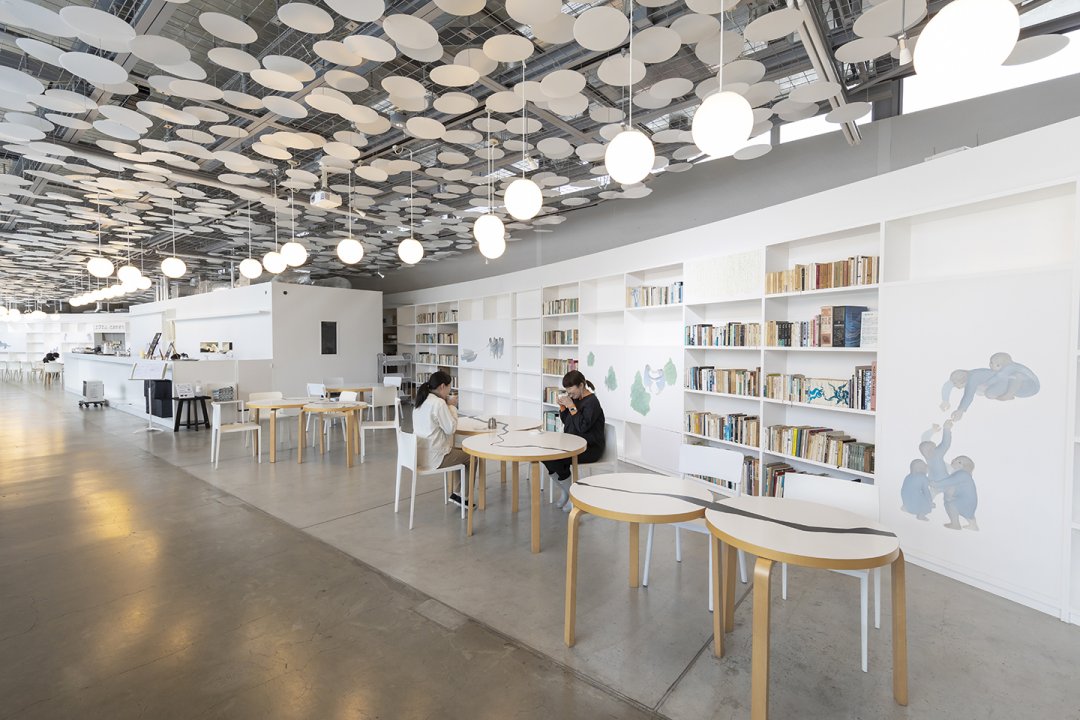
The Corridor Community Space will offer a menu featuring food stall-style dishes.
[Hours] Saturdays, Sundays, and holidays during ETAT: 11:00 a.m.–4:00 p.m.
Curator and Participating Artists
Hara Rintaro + Hara Yu
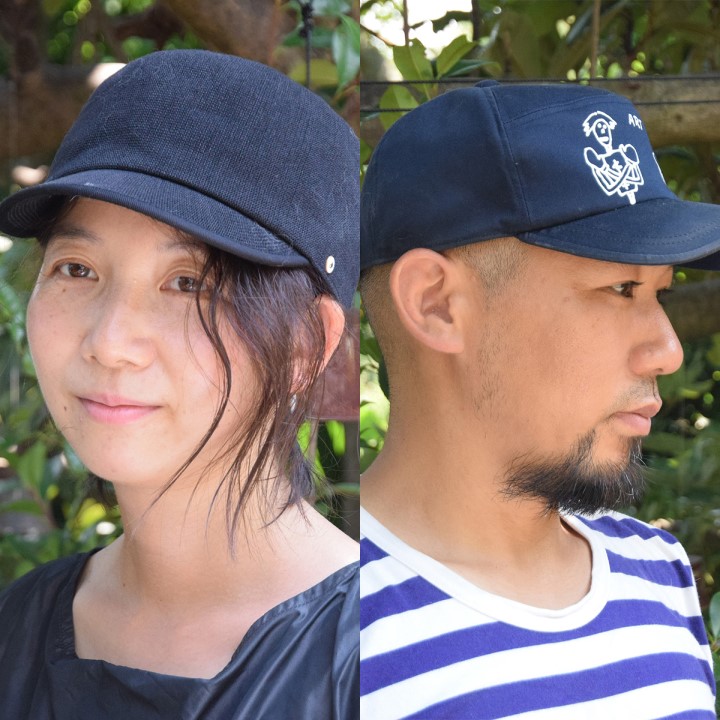
An artist duo consisting of installation artist Rintaro Hara and painter Yu Hara. They create interactive artworks centered on the theme of playgrounds where everyone from children to adults can play. In 2024, they directed the Special Exhibition “Captain Monet and the 87-Day Square Adventure” at the “Echigo-Tsumari Art Field” and presented *Amida Watari* on a pond. Since 2022, they have been responsible for the direction and scriptwriting for the “Restaurant Kamigo Clove Theatre.” Recent exhibitions include the 2025 “Setouchi International Art Festival” (Megijima, Kagawa), the solo exhibition “The Dream Seen by Babel” (Ota City Museum of Art and Library, Gunma), and the 2026 “Marugoto TAD Museum of Art + Hara Rintaro + Hara Yu: ‘Art River Sugoroku’” (Toyama Prefectural Museum of Art, Toyama).
"Echigo-Tsumari 3D Tsumari Sugoroku," "Snake Ping Pong"
Introducing the “Echigo-Tsumari 3D Sugoroku,” where players become game pieces and move across a giant board, and “Snake Ping Pong,” a mysterious ping-pong table where up to 10 people take turns in a relay-style rally. These are playground-style artworks designed for everyone to enjoy using their whole bodies.

“Echigo-Tsumari 3D Tsumari Sugoroku” Photo by Nakamura Osamu
Participating Artists
Sato Yu
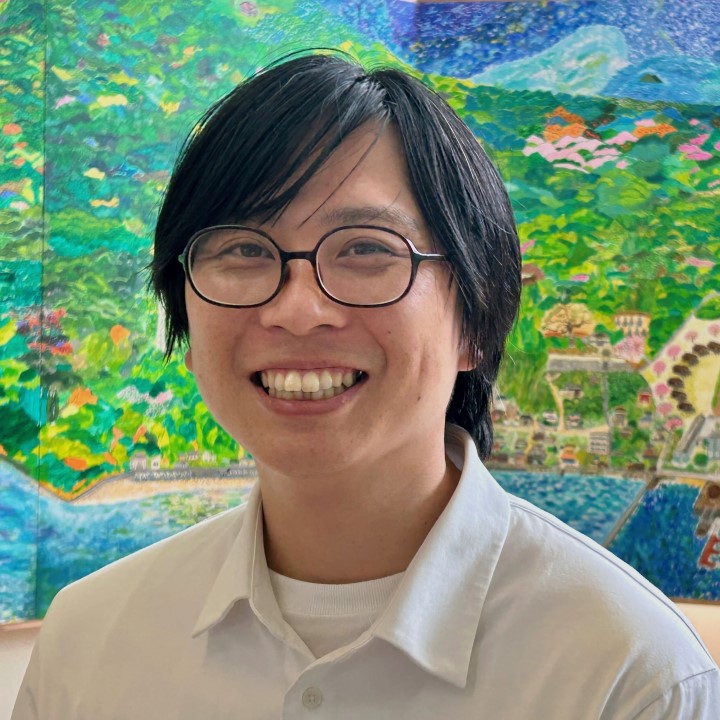
Sato engages in a variety of creative activities—including artist-in-residence projects, performances, lectures, and workshops—tailored to specific venues and opportunities. The artist’s guiding concept is “Already being creative” (people are already creative). Sato’s work centers on creating opportunities and spaces that spark the creativity inherent in people. In recent years, Sato has also focused on developing art appreciation programs, implementing them at museums, corporations, and educational institutions. The artist explores the design of art appreciation experiences that foster connections between artworks and people, as well as between people themselves.
"OMUSUBI ENNICHI"
A festival that brings people together with Echigo-Tsumari through games inspired by rice balls and rice farming. There are plenty of activities for everyone to enjoy, such as “Domino Taue (planting),” where participants plant dominoes to resemble rice seedlings, and the “Tsumari Rice Ball Roll-Roll Grand Race,” which is sure to be a thrilling competition. At the unique “Combine Cart” food stalls, local parents and children take on the role of shopkeepers and sell traditional Japanese snacks.
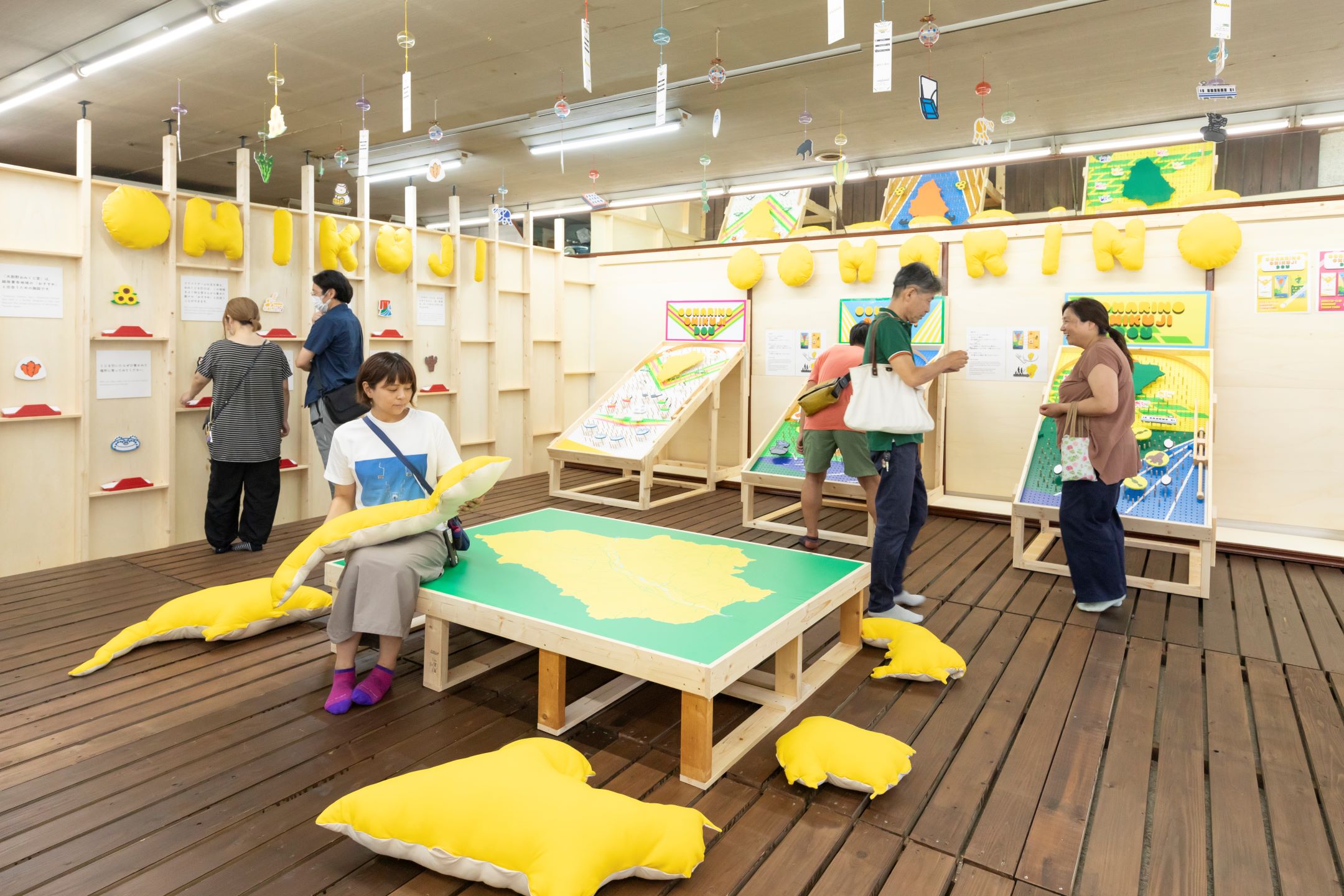
“Owarino Omikuji Hall” Photo by Nakamura Osamu
Shibata Mao
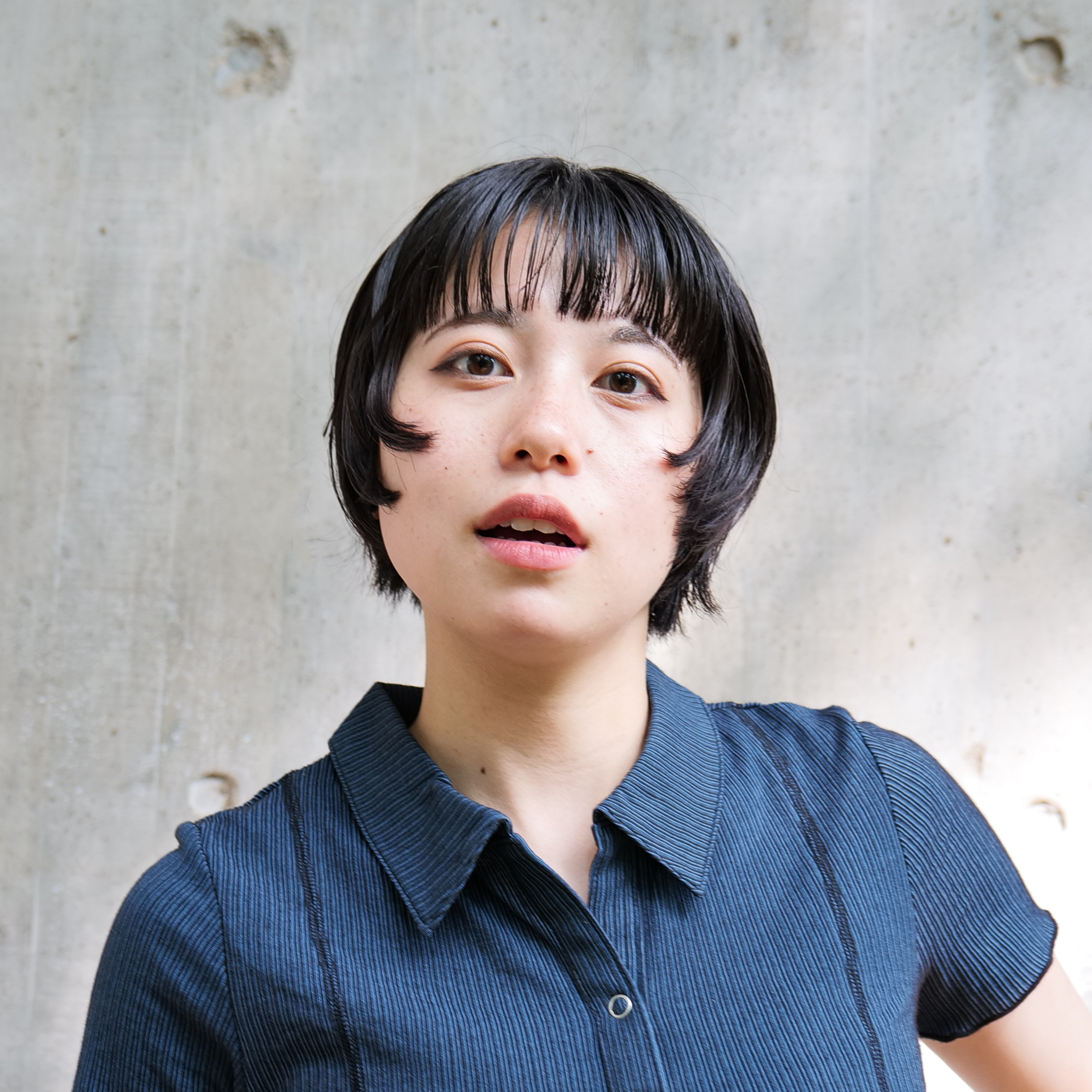
Born in Yokohama in 1998. Graduated from the Department of Sculpture, Faculty of Fine Arts, Tama Art University in 2022. Completed the Master’s Program in Sculpture at the Graduate School of Fine Arts, Tokyo University of the Arts in 2024. The artist creates sculptures and installations exploring the theme of “forms of communication” that emerge from the increasingly diverse connections between people in contemporary society. In her recent work, she uses the physical medium of sculpture as a foundation and combines it with digital expression—a symbol of today’s information-driven society—to blur the line between reality and illusion. Through this approach, she seeks to reexamine how to express the “present” in which we live. Major exhibitions include: 2019–2025 “Teshikaga Extreme Cold Art Festival” / Teshikaga Town, Hokkaido; 2025 “FUJI TEXTILE WEEK 2025” / Fujiyoshida, Yamanashi; 2025 “ARTISTS’ FAIR KYOTO 2025” / Kyoto; 2024 “Sono Aida #TOKYO MIDTOWN AWARD 4th Edition” / Tokyo; 2023 “Rokko Meets Art Art Walk 2023 beyond” / Hyogo, 2023 “Multilayered Worlds and the Anchor of Reality” / Tokyo, NTT Intercommunication Center [ICC], etc.
"Blue Lotus"
“Blue Lotus” is an attempt to reexamine the relationship between “seeing” and “existing” at the intersection of light and water, matter and imagery. Just as a lotus stretches from the mud toward the light, the exhibition quietly depicts the “contemporary forms” that emerge between reality and illusion, the body and data, and memory and the present. For this exhibition, approximately 20 artworks will be displayed in a pond.

《Blue Lotus》FUJI TEXTILE WEEK 2025
Matsubara Megumi + Ariyama Hiroi / ASSISTANT
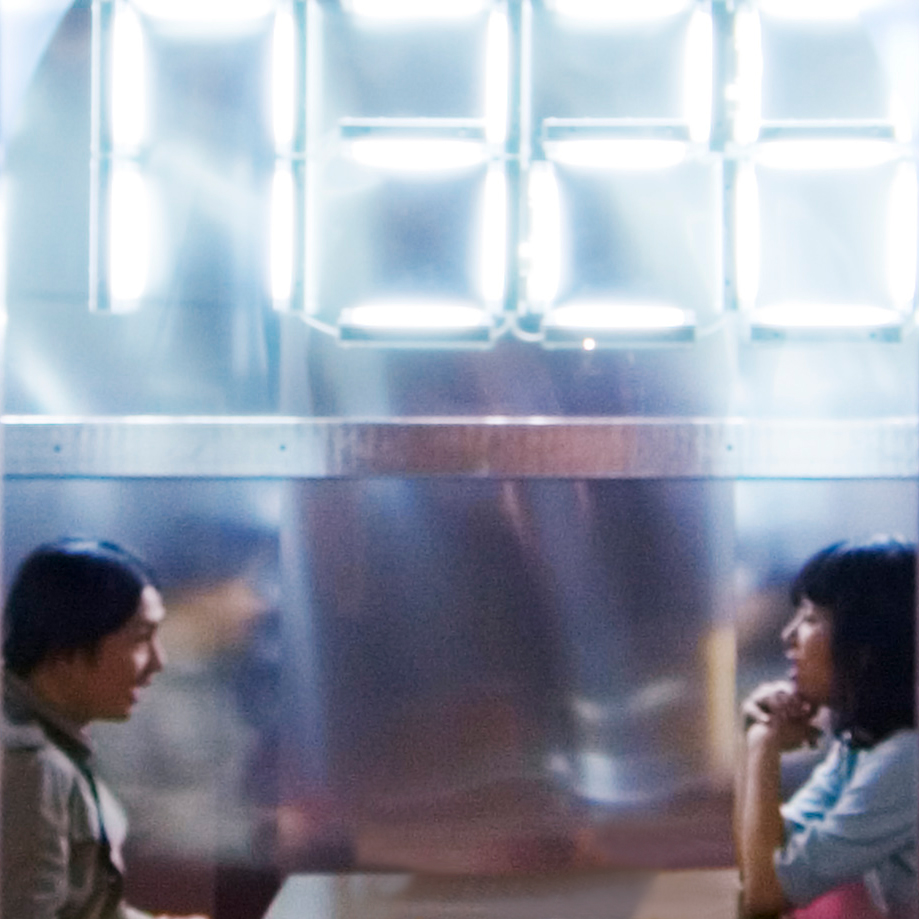
An architectural duo consisting of Matsubara Megumi and Ariyama Hiroi. Much of their work is centered at the intersection of architecture, fine art, and design. They view space as a totality of experiences and memories, combining physical experiences with poetic expression to explore new possibilities in architecture.
"Un/Maze"
This artwork is a modular spatial system in which visibility, movement, and access vary according to the scale of the body, simultaneously generating multiple incongruent spatial experiences within a single physical grid. In this structure, space is not conceived as a fixed object of navigation, but rather as an environment generated by the viewer’s point of view. Spatial continuity is not universal; it is segmented vertically, allowing different perceptual domains to coexist within the same structure.
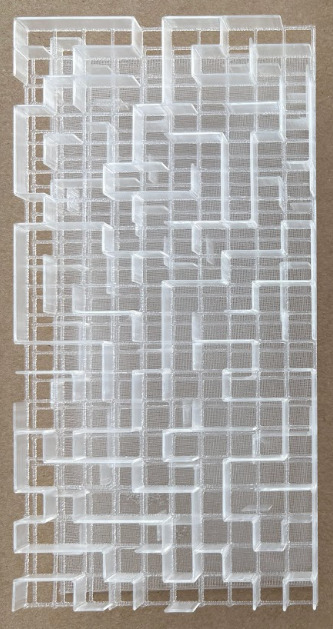
Un/Maze (Study Model No. 004) 2026
kajii
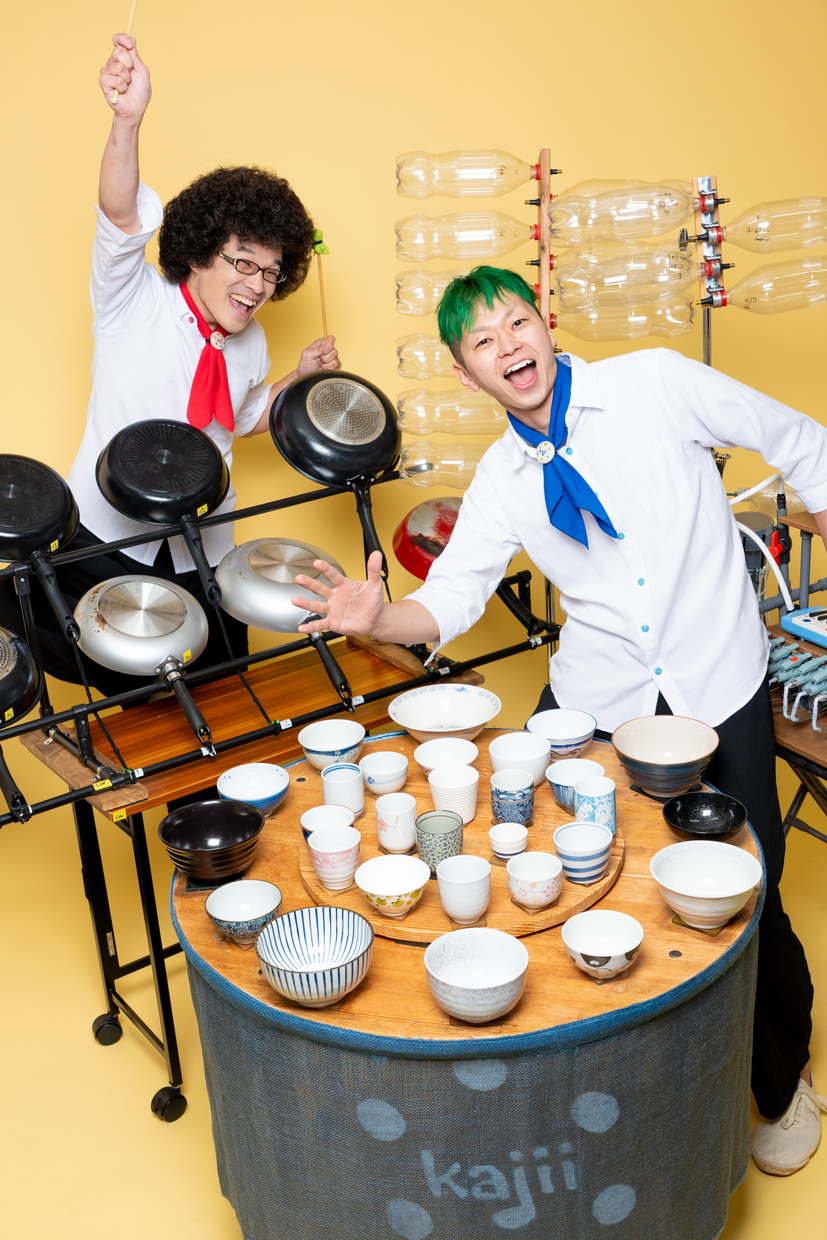
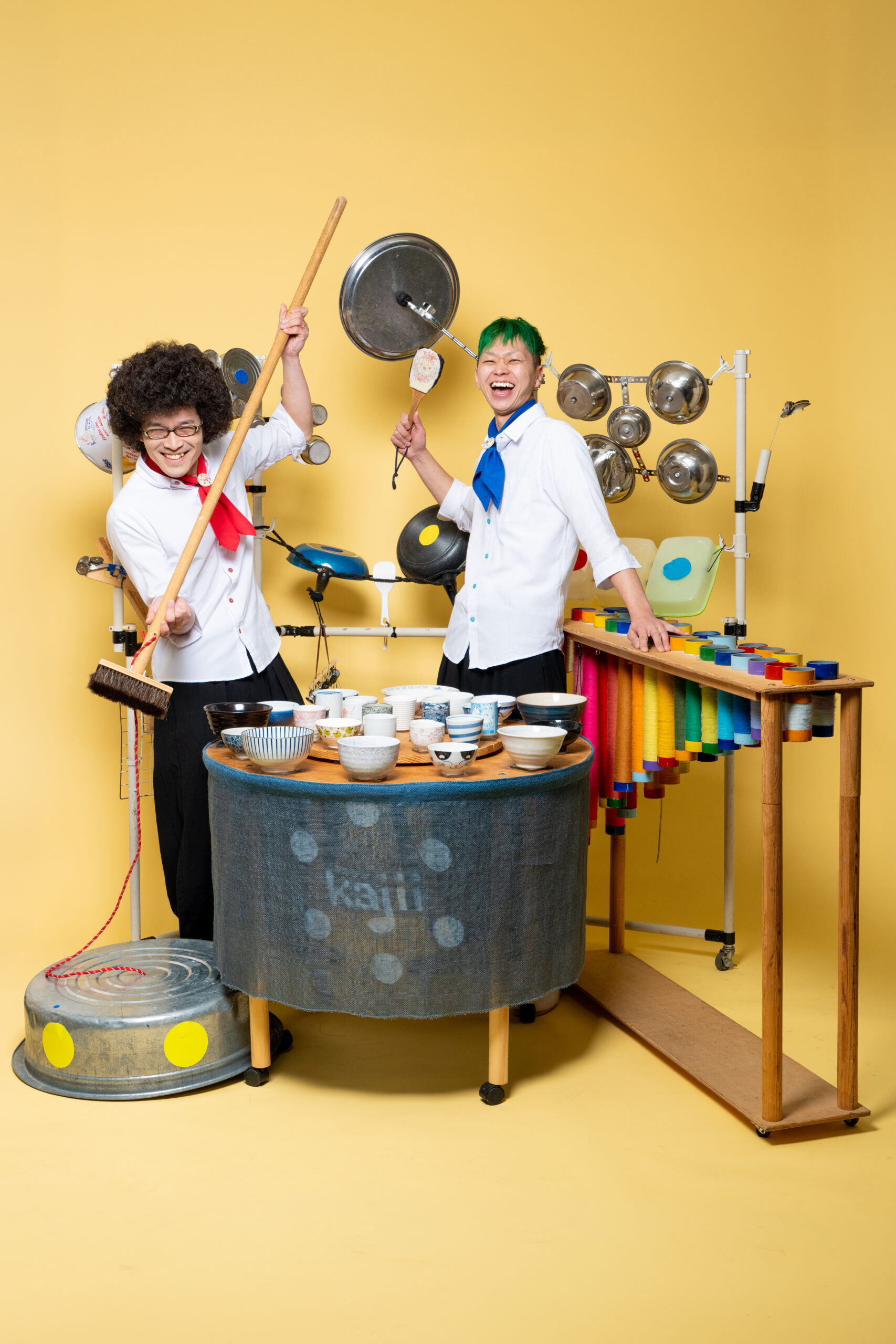
A duo consisting of Kumama and Sō. Driven by their desire to “make music and instruments more accessible,” they have created over 200 types of everyday-object instruments and use them to perform music. Centered around their original instrument, the “Shokkin”—an arrangement of rice bowls, noodle bowls, and tea cups—the music they produce from items like washbasins, empty cans, plastic bottles, and empty candy boxes has been widely acclaimed. Based in Nagoya, they have performed at over 1,000 shows across Japan. They published *“You Can Do It at Home! kajii’s Mysterious Handmade Instruments”* through Yamaha. Both members are fathers.
"A Grove of Sounds Created by Everyday Items"
Let’s turn mysterious sounds produced by everyday objects into musical instruments. We’re showcasing a selection of our best artworks from the many original instruments we’ve created to date, including bolt wind chimes and the “Shokkin.” Please feel free to touch them and hear the sounds for yourself.
Summary
| Date and time |
July 18 (Sat), 2026 – November 8 (Sun), 2026; Closed on Tuesdays and Wednesdays, except on national holidays 10:00 a.m.–5:00 p.m. (Last admission at 4:30 p.m.) *Lighting display runs from sunset to 9:00 p.m. |
|---|---|
| Venue |
Museum on Echigo-Tsumari, MonET Corridor |
| Admission |
You can view the artwork in the gallery for free.
|
Related Information
-517x720.jpg)
Official Tours / Itineraries
Related Events

-1-1080x608.jpg)
Stay connected with the ETAT official social media to receive the latest news and event information, and the many seasonal faces of Echigo-Tsumari as well as new issue of the ETAT official media, “Art from the Land”.