Thinking 21st century art in the world from Niigata
Echigo-Tsumari Art Field - Official Web Magazine
Staff / Behind the Scenes in Echigo-Tsumari
"Just Try Anything" DIY PR
01 October 2025
Why Echigo-Tsumari?
It has been four years since I moved from Tokyo to Echigo-Tsumari after graduating from college and began working at the NPO Echigo-Tsumari Satoyama Collaborative Organization, which runs the Echigo-Tsumari Art Field. Why did I—someone who had no connection to art—move here and get involved in the art field? I’d like to share my experiences and thoughts from this time.
I want to break free from this unreal life!
During my college years, I conducted research on the preservation of records and memories of wars and disasters, focusing on the question of “how one can take an interest in events one has not personally experienced.” It was through this line of inquiry that I joined the “Koebi-tai”—a group of supporters for the Setouchi International Art Festival—which uses Oshima Island, where isolation policies were enforced as a national sanatorium for Hansen’s disease, as a venue for the festival. This marked my first encounter with the art festival.
Through this experience, even though I didn’t fully understand fine art itself, I came to feel that “regional art festivals are an interesting mechanism that sheds light on things overlooked by society and helps us become aware of them.” Later, since the Setouchi International Art Festival takes place on the sea, I also joined the Kohebi-tai, a group of supporters for the Echigo-Tsumari Art Triennale—which could be described as the “mountain” counterpart to the Setouchi festival. These activities provided a real, tangible connection between myself and “events and processes I had never personally experienced.”
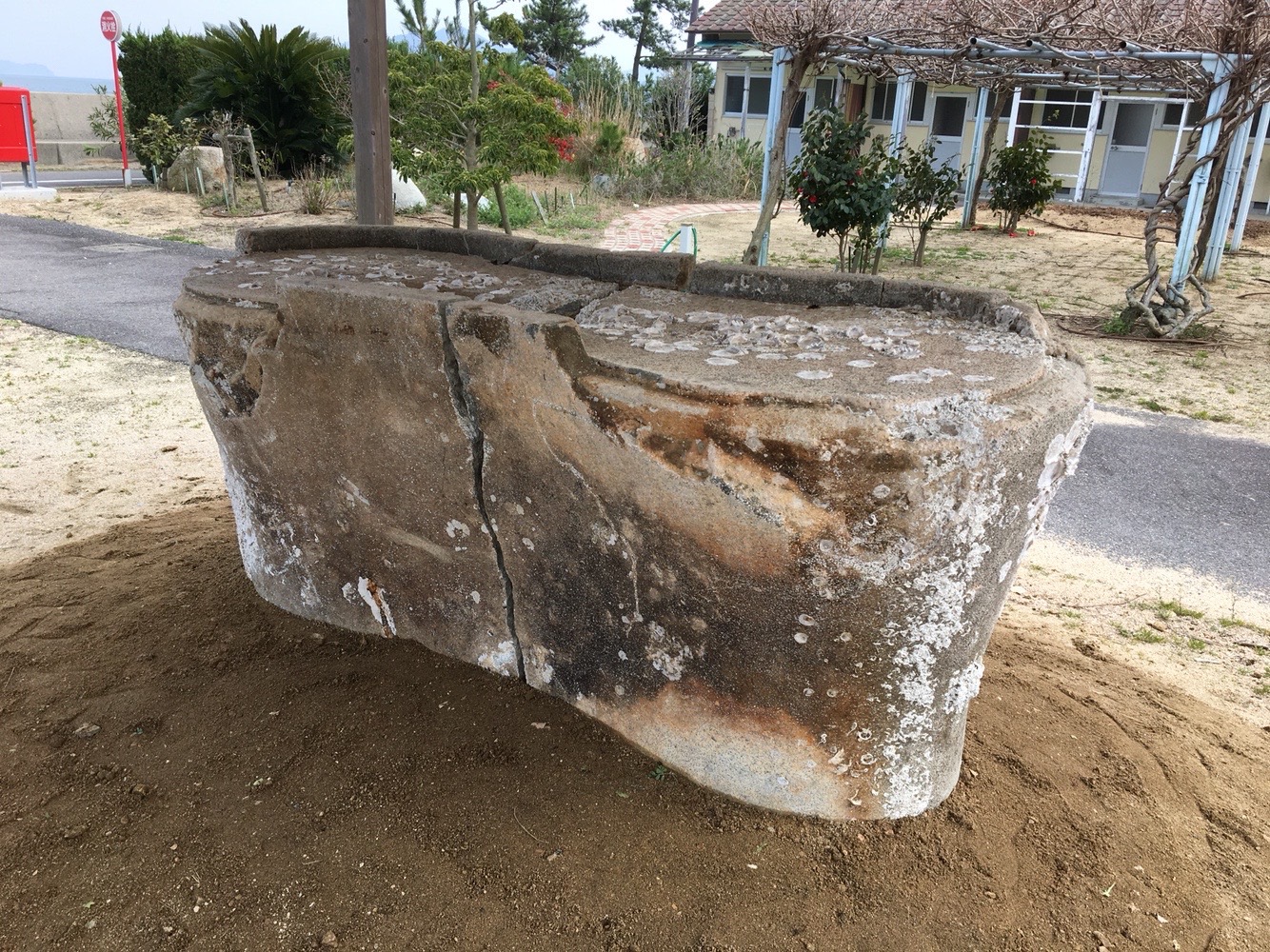
The photo shows the dissection table that left the strongest impression on me during my visit to Oshima. As part of my volunteer work on Oshima, I helped maintain the space where artworks were displayed while learning about the island’s history from the staff of the Koebi-tai. I came to realize firsthand that an art festival is a place where you can reflect not only on art but also on the memories and history of the local area.
――How much time and effort goes into bringing the rice I buy at the supermarket to the shelves?
After getting involved in volunteer activities, it struck me as odd that I had lived my life without ever questioning or taking an interest in even the everyday processes in society—such as how the rice I eat is produced and how it makes its way to the market. So, I decided to move to a region with a thriving agricultural sector after graduating from college, where I could feel a little closer to the food I eat.Furthermore, driven by a desire to tackle social issues from a different perspective—one not solely focused on monetary value—I took a job with the Echigo-Tsumari Art Triennale.
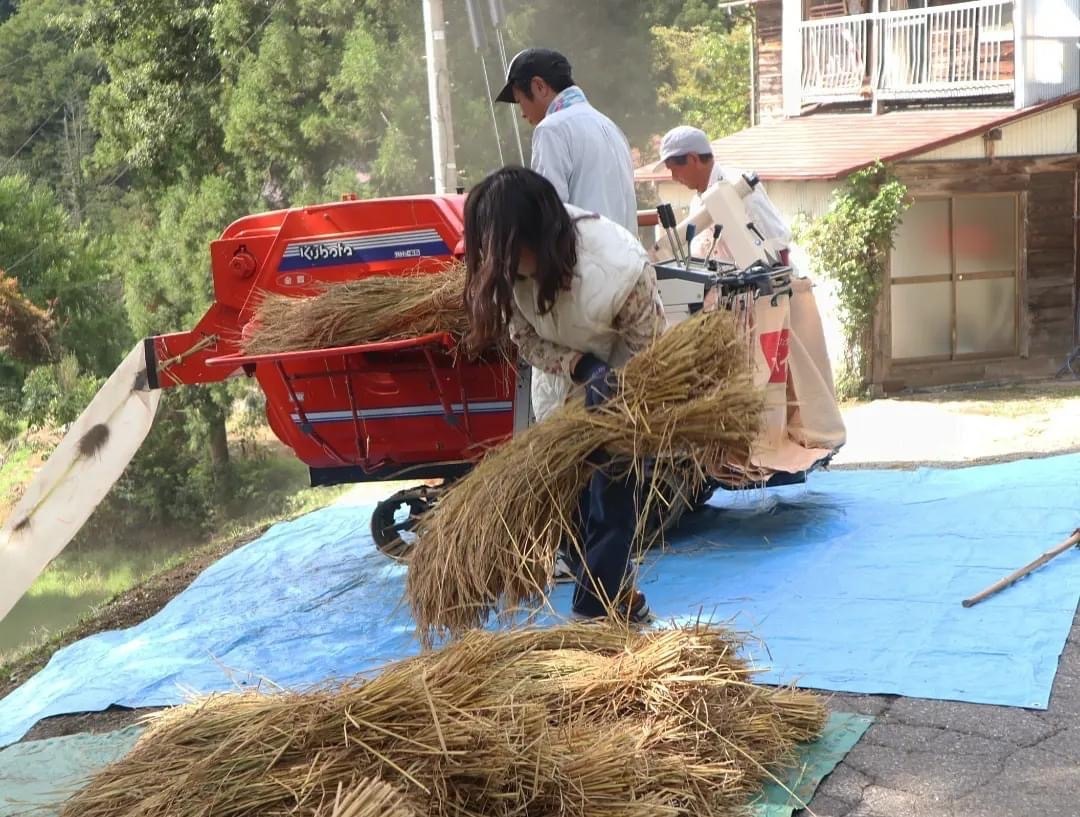
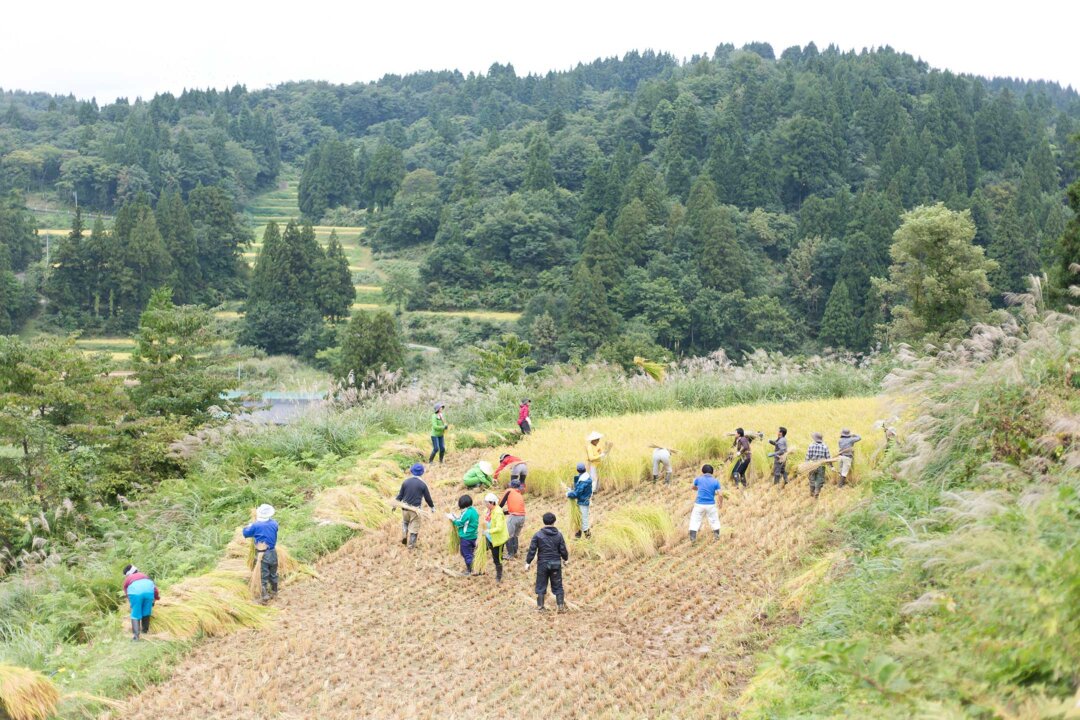
Helping with the rice harvest and threshing in the village where I’m working on an artwork for the art festival
The Public Relations Officer is the Information Manager
Job Listings
The first role I took on after joining the company was in public relations. My responsibilities ranged from organizing information to creating printed materials such as flyers, guides, and compilations; disseminating information via the company website, social media, and apps; planning and hosting PR events; handling media relations; creating archives; and developing and implementing overseas PR strategies. It’s a job that involves working with information in a wide variety of ways.
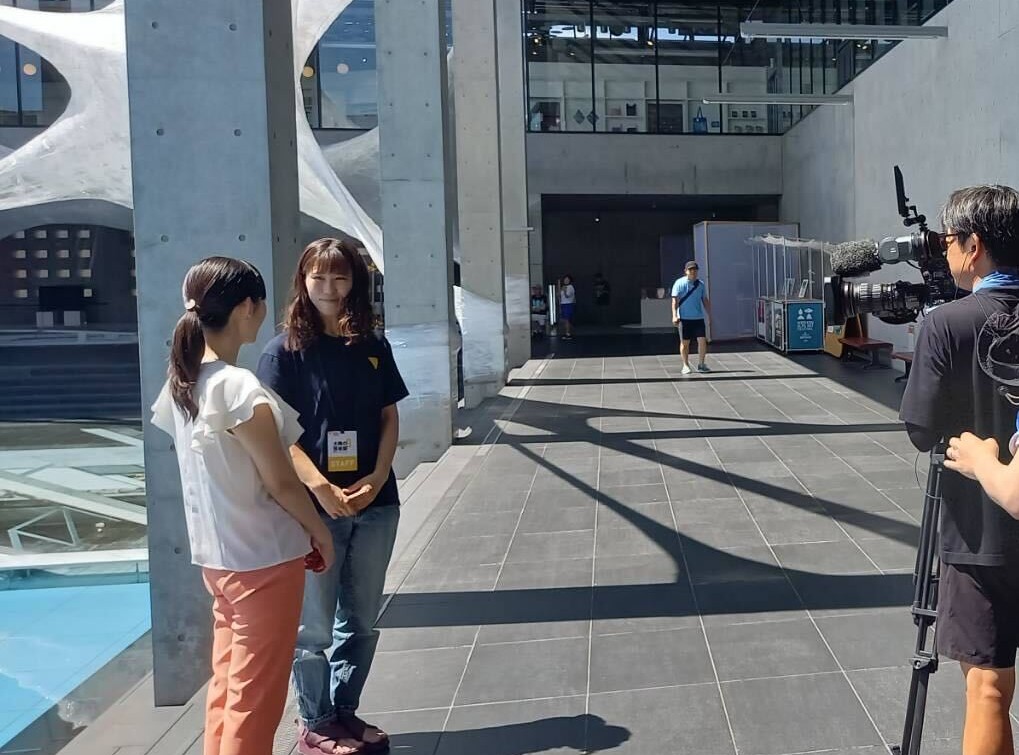
Filming for a TV program. Especially during the Triennale’s duration, we’ll be introducing the highlights of the art festival to many members of the media.
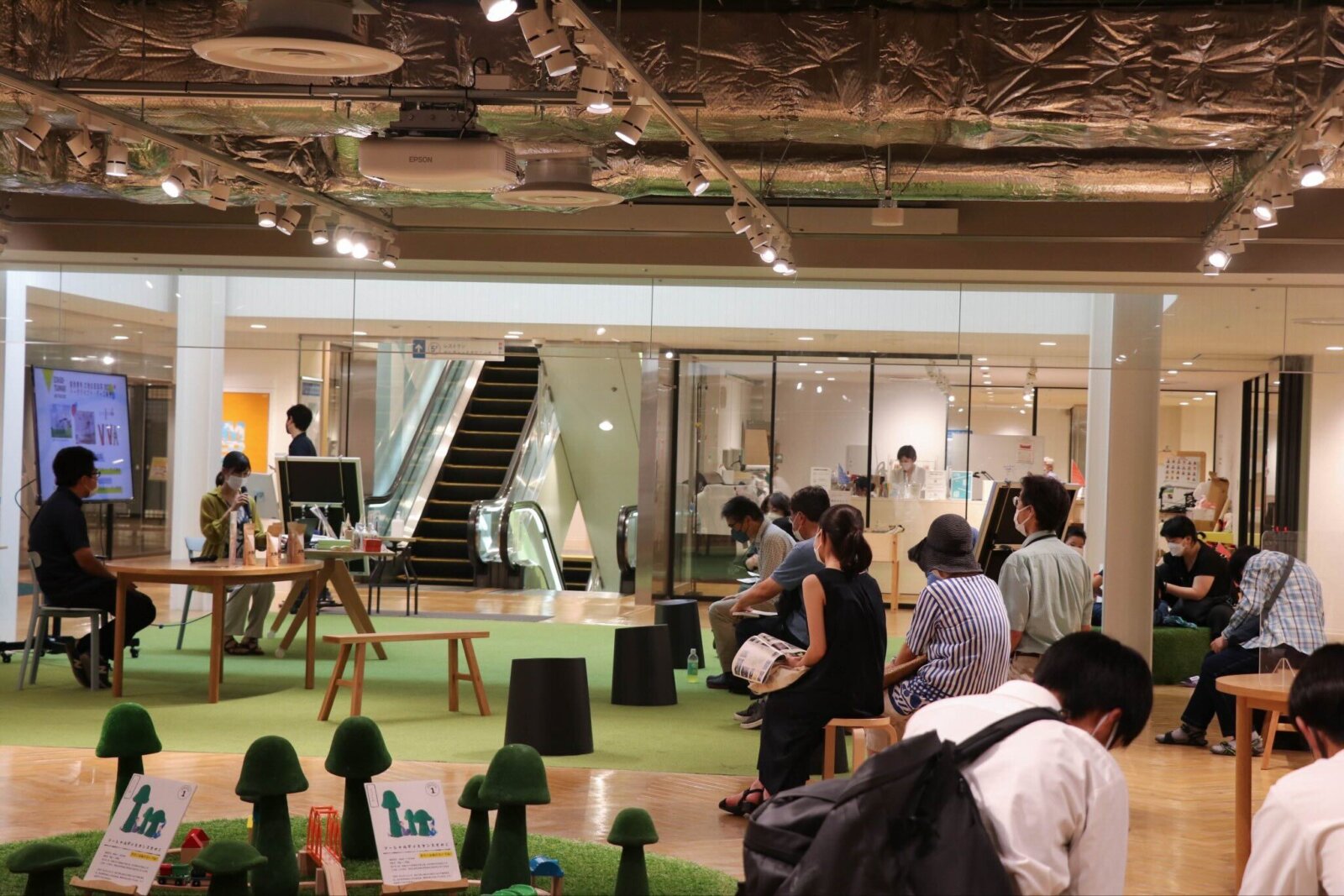
Developed a PR plan for the art festival and organized talk events with artists at venues in the Tokyo metropolitan area.
Many people probably think of public relations as a glamorous field, but we actually spend far more time organizing and managing information internally than we do on external PR. We’re also responsible for creating PR schedules and following up on information submissions as deadlines approach, so within the company, we have to take on the role of the “nag,” constantly asking, “Haven’t you finished compiling the information yet?”
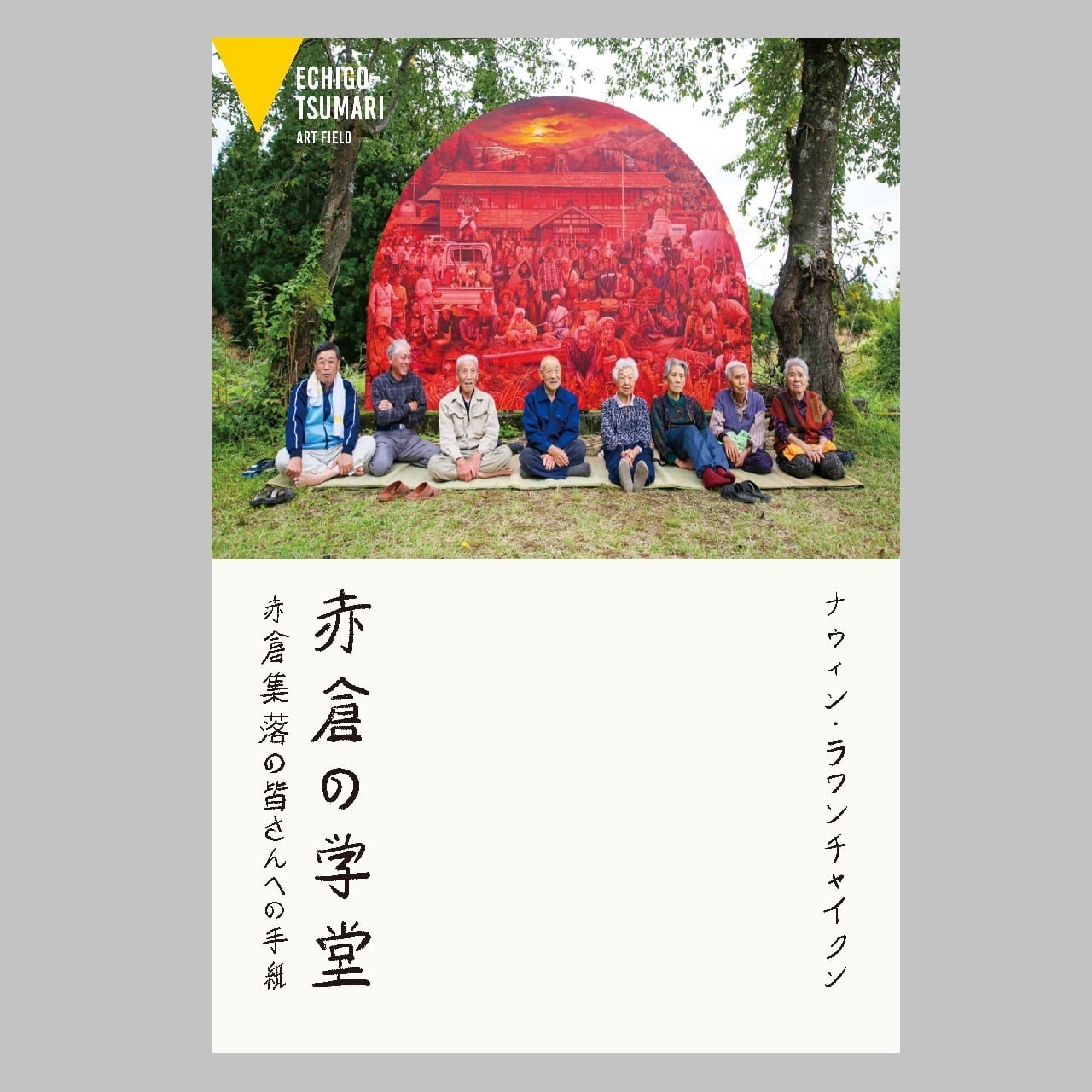
In addition to official guidebooks and anthologies, we also handle everything from the planning and conceptualization to the editing and proofreading of books related to artists and directors. The photograph shows *The School of Akakura: A Letter to the People of the Akakura Community*, which documents the connection between Nawin Rawanchaikun—who was involved in the book’s editing—and the Akakura community.
The True Essence of the Echigo-Tsumari Art Field Public Relations
Furthermore, our NPO is involved not only in the arts but also in a variety of projects that have emerged from the art festival, such as the Matsudai Rice Fields Bank, FC Echigo-Tsumari, as well as initiatives related to food, lodging, and tours.Coordinating and synthesizing these diverse departments and disseminating information is hard work, but it’s a deeply rewarding experience that can only be found here. This is because, through my work, I’ve come to feel firsthand that the activities themselves—including tasks not directly related to art and interactions with communities that became involved through the festival—are a major characteristic of the Echigo-Tsumari Art Field, which has been running for over 20 years. This is what makes public relations for Echigo-Tsumari so interesting and enjoyable.I truly feel that the fact that staff from various fields are leveraging their respective strengths to create something intangible in the Echigo-Tsumari Art Field—and that we’re able to communicate that appeal and attract visitors—is the very embodiment of how the Echigo-Tsumari Art Field brings value to this area that goes beyond mere economic impact.
Putting this vast amount of information into words and sharing it is a task that requires considerable patience, but I feel that my strong attention to detail works well for this public relations role.
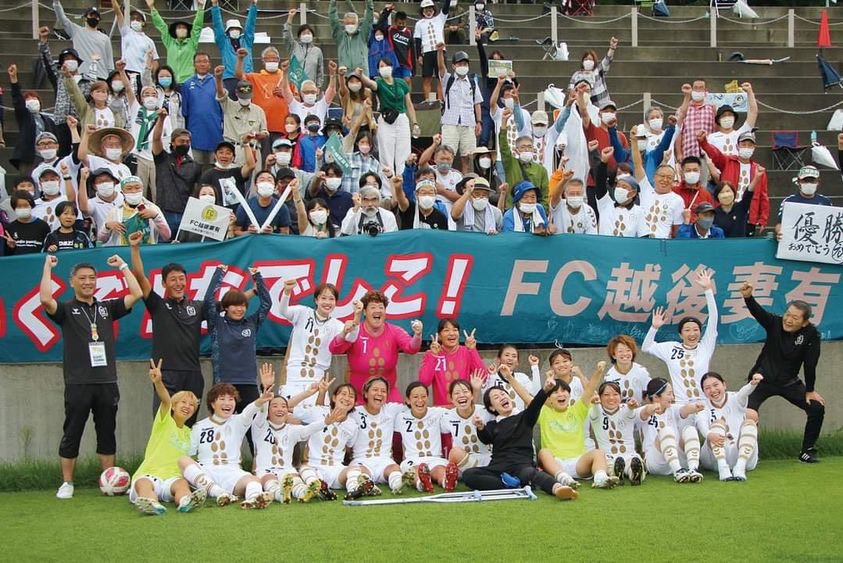
At home games for FC Echigo-Tsumari—a project that grew out of the art festival—as many as 100 local residents and supporters from the Tokyo metropolitan area come out to cheer. Sometimes, the public relations staff even makes announcements during the game.
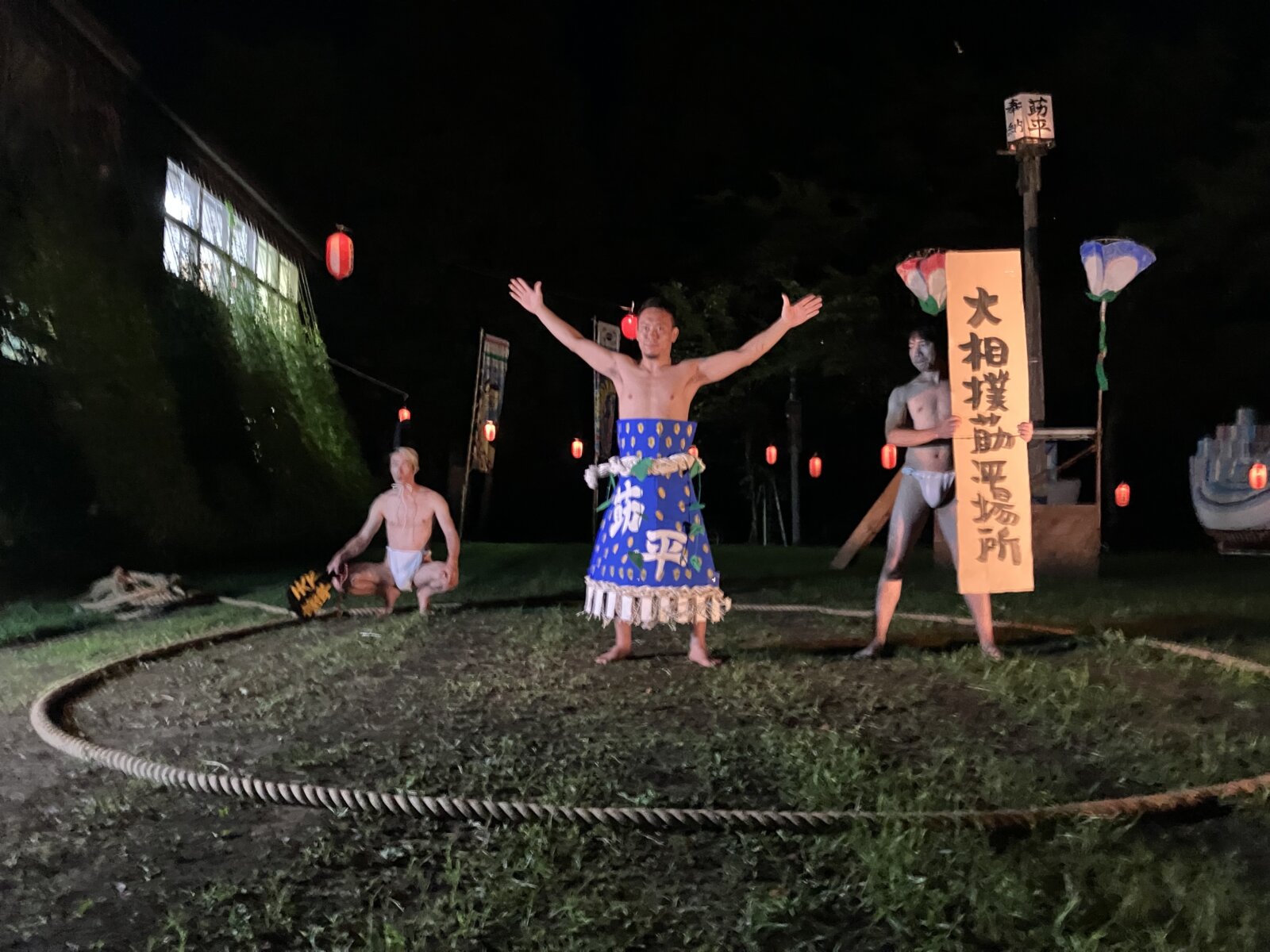
There are now as many as 100 villages in the Echigo-Tsumari region involved with the art festival. In the village I’m in charge of, artists and other stakeholders who have been involved since 2003 continue to come every year—regardless of the art festival—to help liven up village events such as Obon and Little New Year.
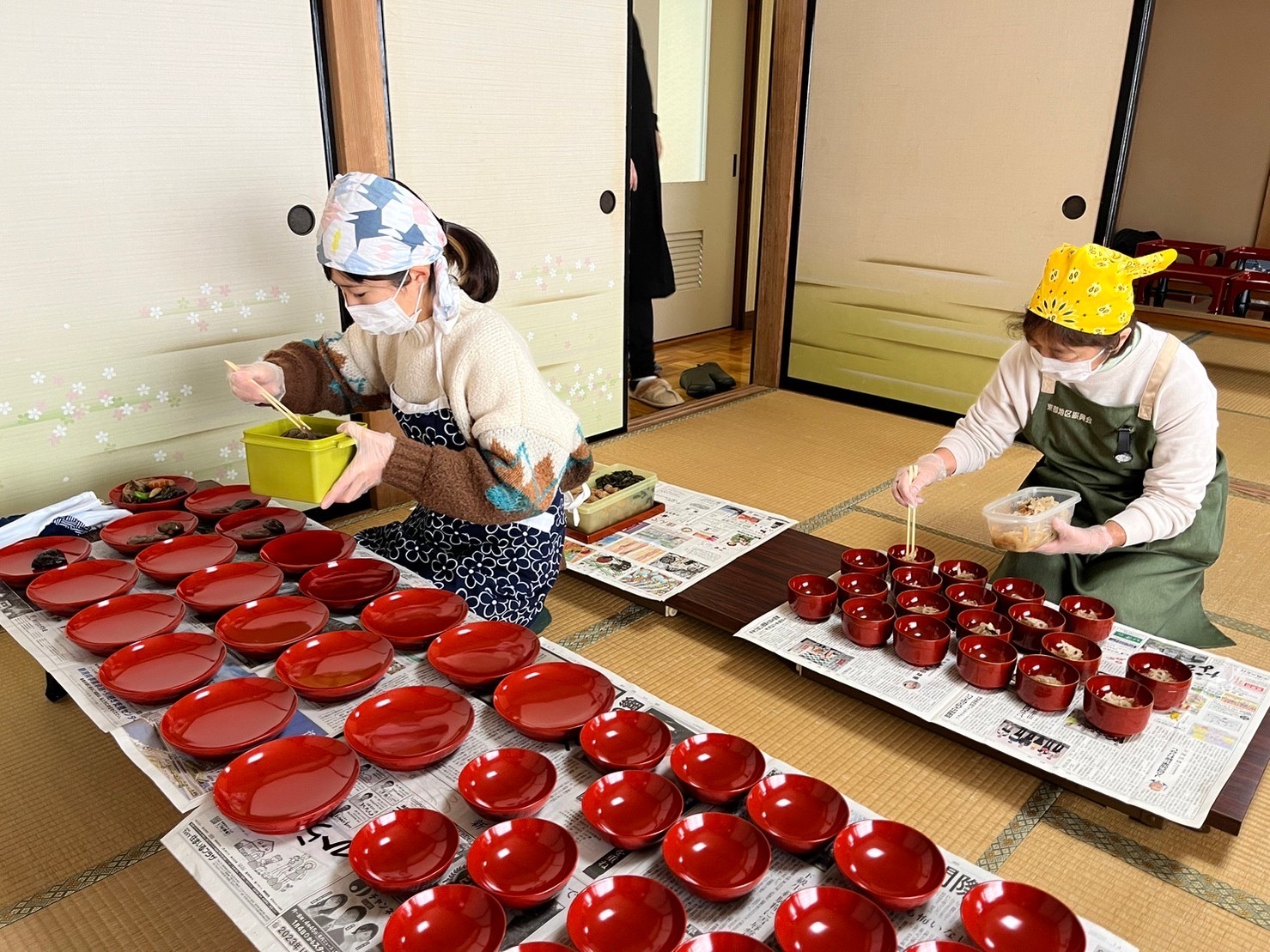
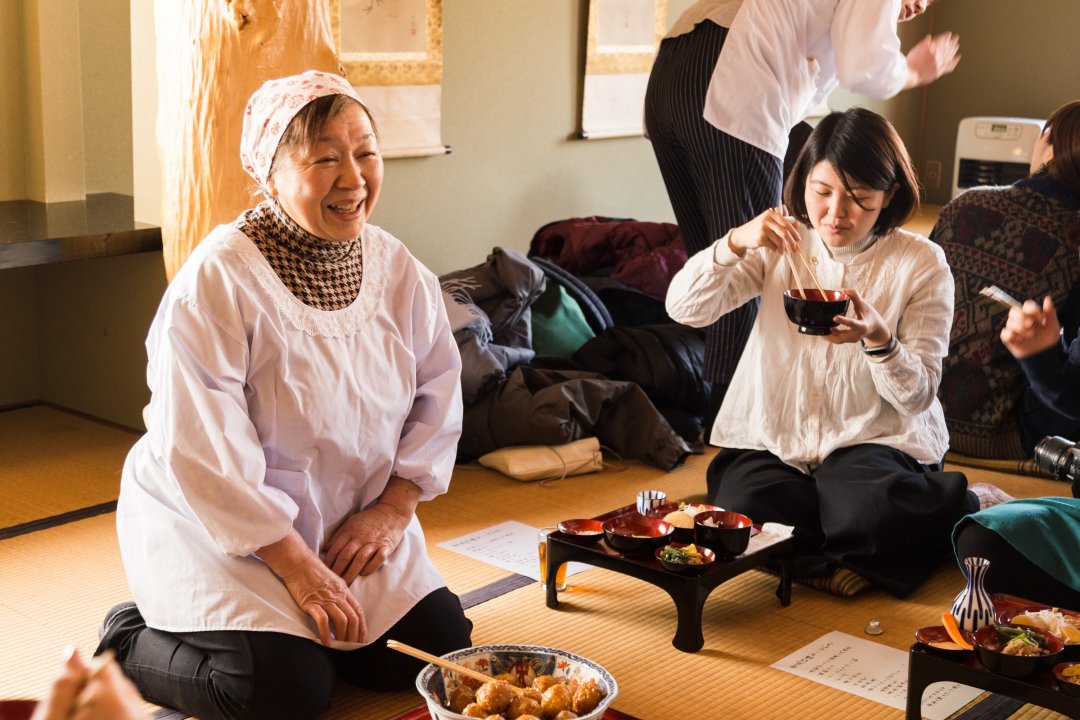
Preparing the “Yukimi-Gozen”—a winter tradition—with the mothers from the village, with whom we formed a bond through the art festival.
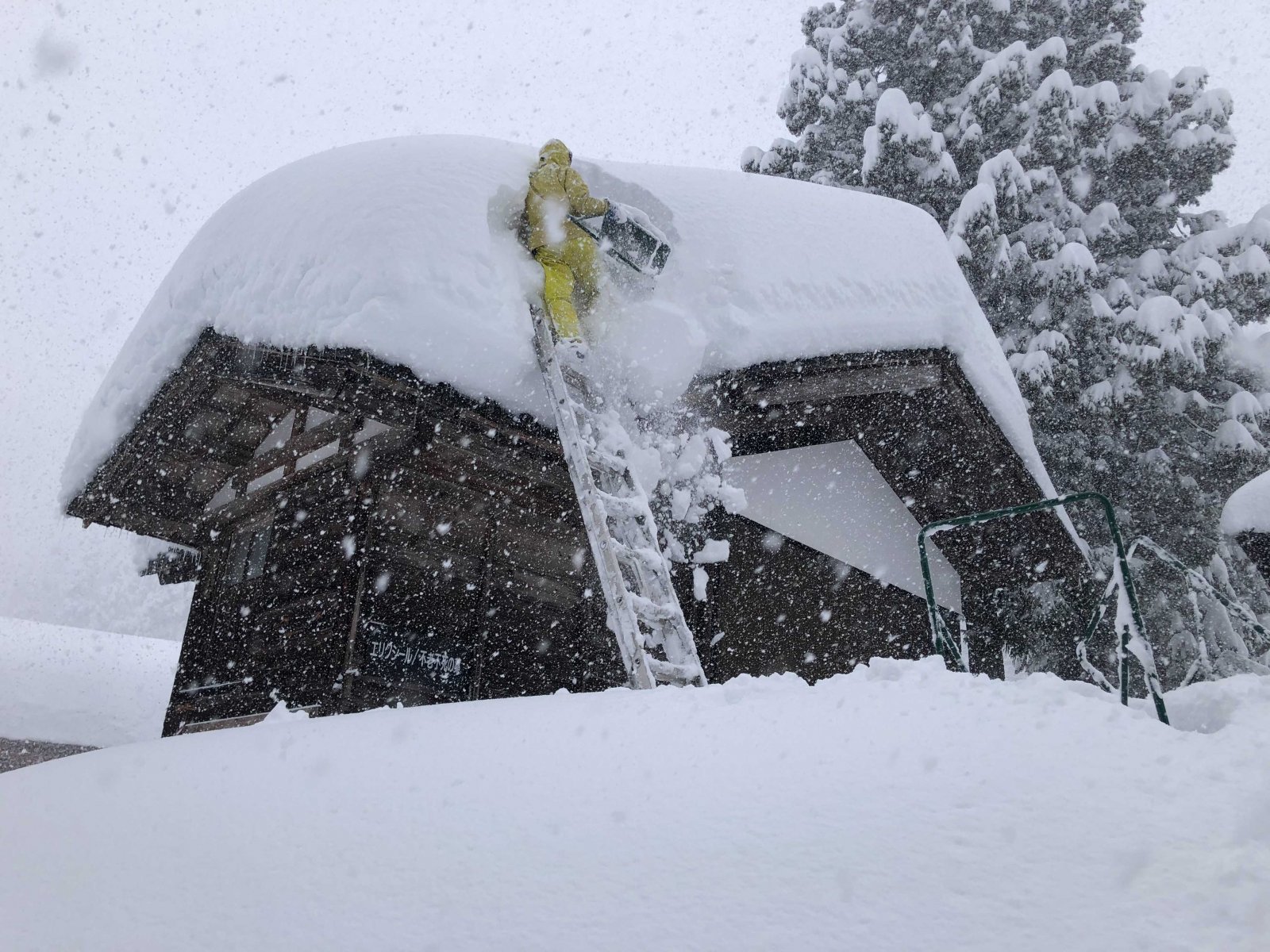
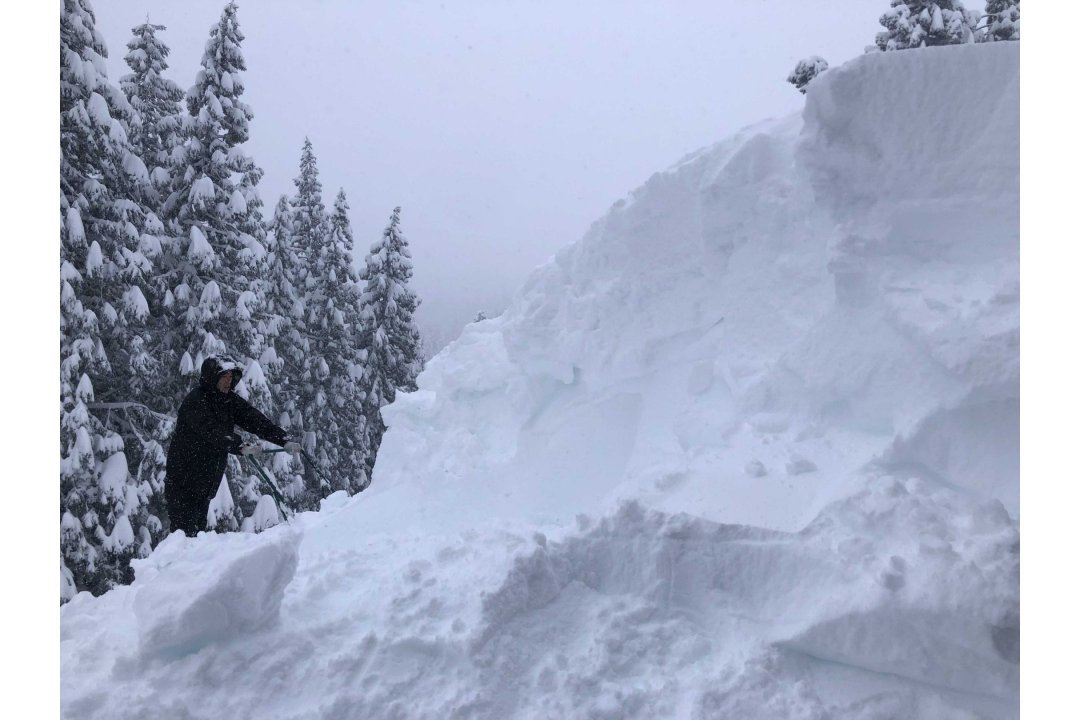
At the Echigo-Tsumari Art Field, which features artworks in many vacant houses and abandoned schools, it’s necessary to clear snow from the roofs even during the winter months, when the artworks aren’t on display. One of the interesting aspects of this NPO is that the members who maintain the artworks during the growing season become part of the snow removal team once winter arrives.
An environment where ideas can take shape
Come up with ideas and put them into practice
Since I’ve always enjoyed bringing ideas to life and leaving a record of them, creating printed materials in particular is a way for me to test my abilities. As I kept incorporating new elements and thinking about how to improve the visual appeal with each project, I found that—before I knew it—I had become capable of creating my own designs to a certain extent using Illustrator. While I generally outsource the design of printed materials, I view the times when I have the time to work on them myself as voluntary tasks that allow me to contribute to the branding of the Echigo-Tsumari Art Field while paying close attention to the details.
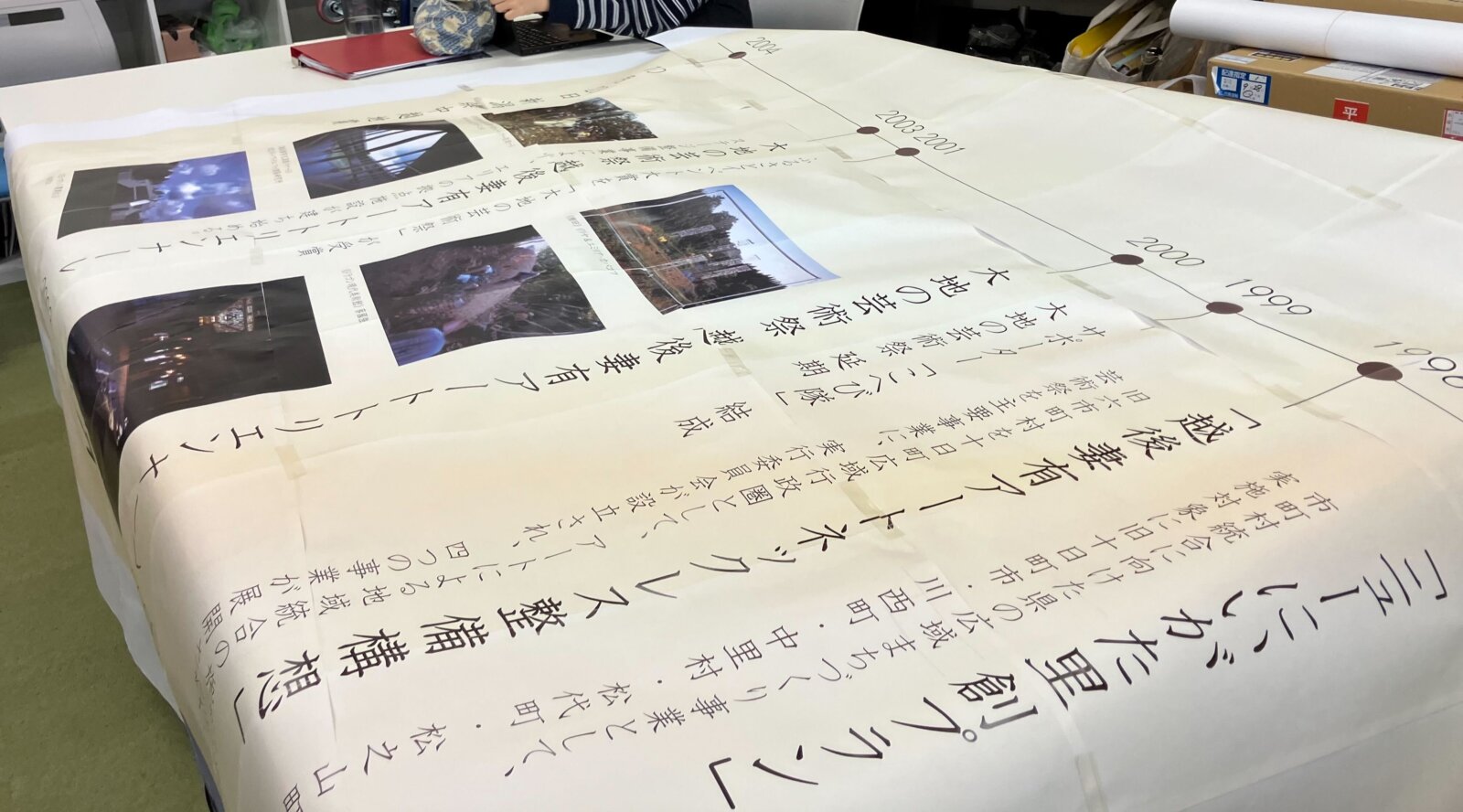
At the press conference for the 9th Special Exhibition, I thought it would be interesting to have a timeline tracing the festival’s activities to date, so I designed a large festival chronology. The photo shows a prototype of it.
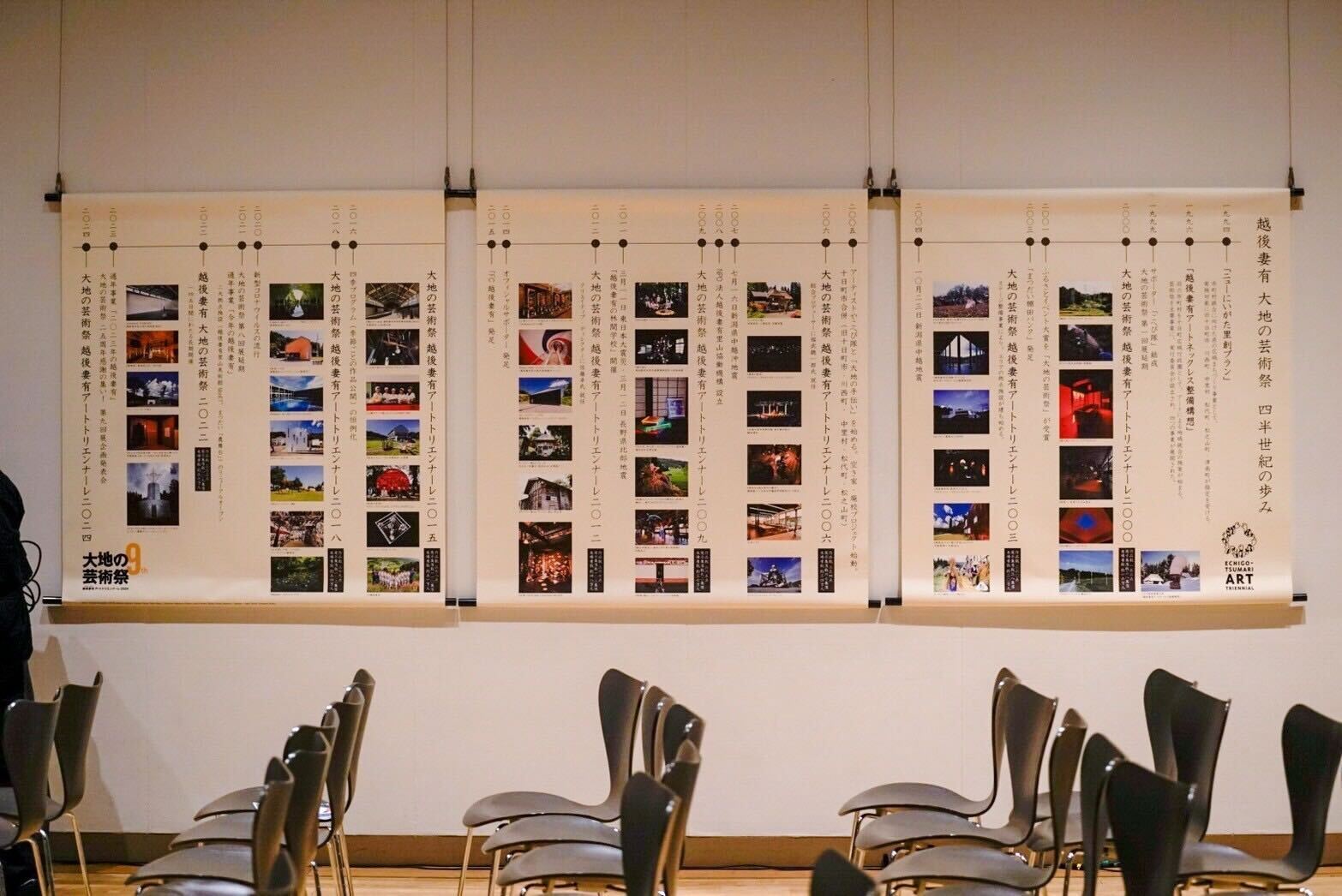
On the day of the press conference announcing the 9th Special Exhibition, we displayed the timeline we had created.
PR Can Be Profitable, Too!
From a financial standpoint, the PR department tends to be more costly than other departments, so I wondered if there was any way we could generate even a little revenue. That’s when I came up with the idea of a sticker sale using capsule toy machines. Even though PR staff have limited days when they can be out in the field due to their daily desk work, I thought capsule toy machines would allow us to handle sales, which is why I proposed this plan. While we’ll need to review the budget, the fact that this is an environment where we can propose and carry out our own initiatives if we volunteer to do so makes me feel that this is a workplace that fosters a mindset open to trying new things.
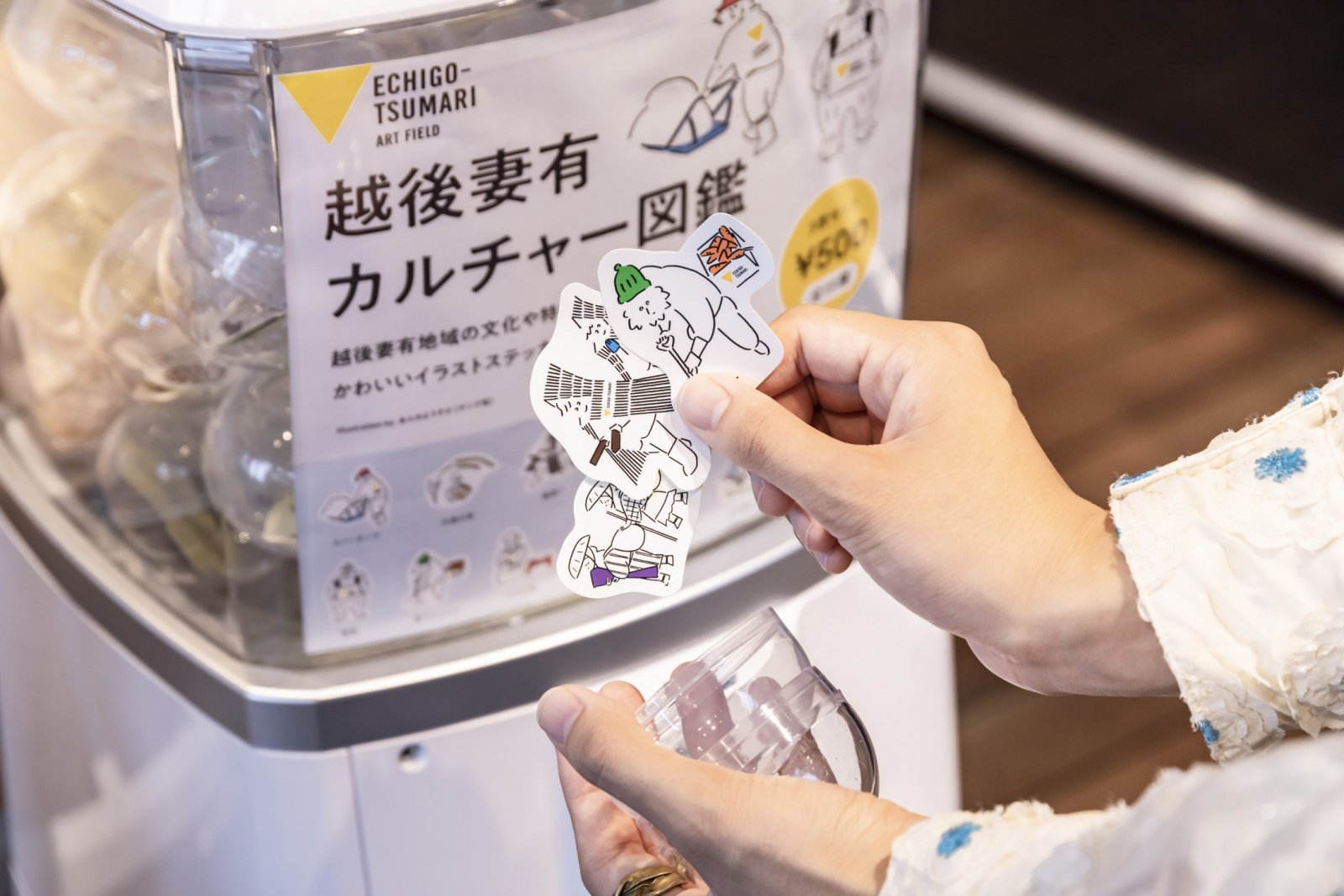
We’ve created a sticker gacha featuring the art festival logo and illustrations of Echigo-Tsumari’s culture—perfect for anyone, even those who aren’t interested in the art festival, to pick up and enjoy!
Stepping Outside the Public Relations Department for Public Relations Purposes
After Facing a Work-Related Dilemma, I Turned to DIY Public Relations
At the beginning, I mentioned a sense of “disconnect” regarding my relationship with society, and I faced the same question while working in public relations. When I’m so busy handling desk work that I’m stretched to my limit, I have fewer opportunities to visit the field. At times like that, I felt strongly that “I can’t do public relations without hearing from the artists or seeing and learning about their artwork!”Since then, I’ve gained experience in roles such as supporter coordination and artwork production—on the condition that I could balance them with my public relations duties—and I’ve made a conscious effort to get involved in tasks I don’t understand or find hard to imagine. Today, my work centers on administrative and general affairs tasks, such as assisting the director with artist selection and conducting site visits, as well as coordinating with government agencies and local community members. Ultimately, these experiences have all accumulated as valuable experience for my public relations work.
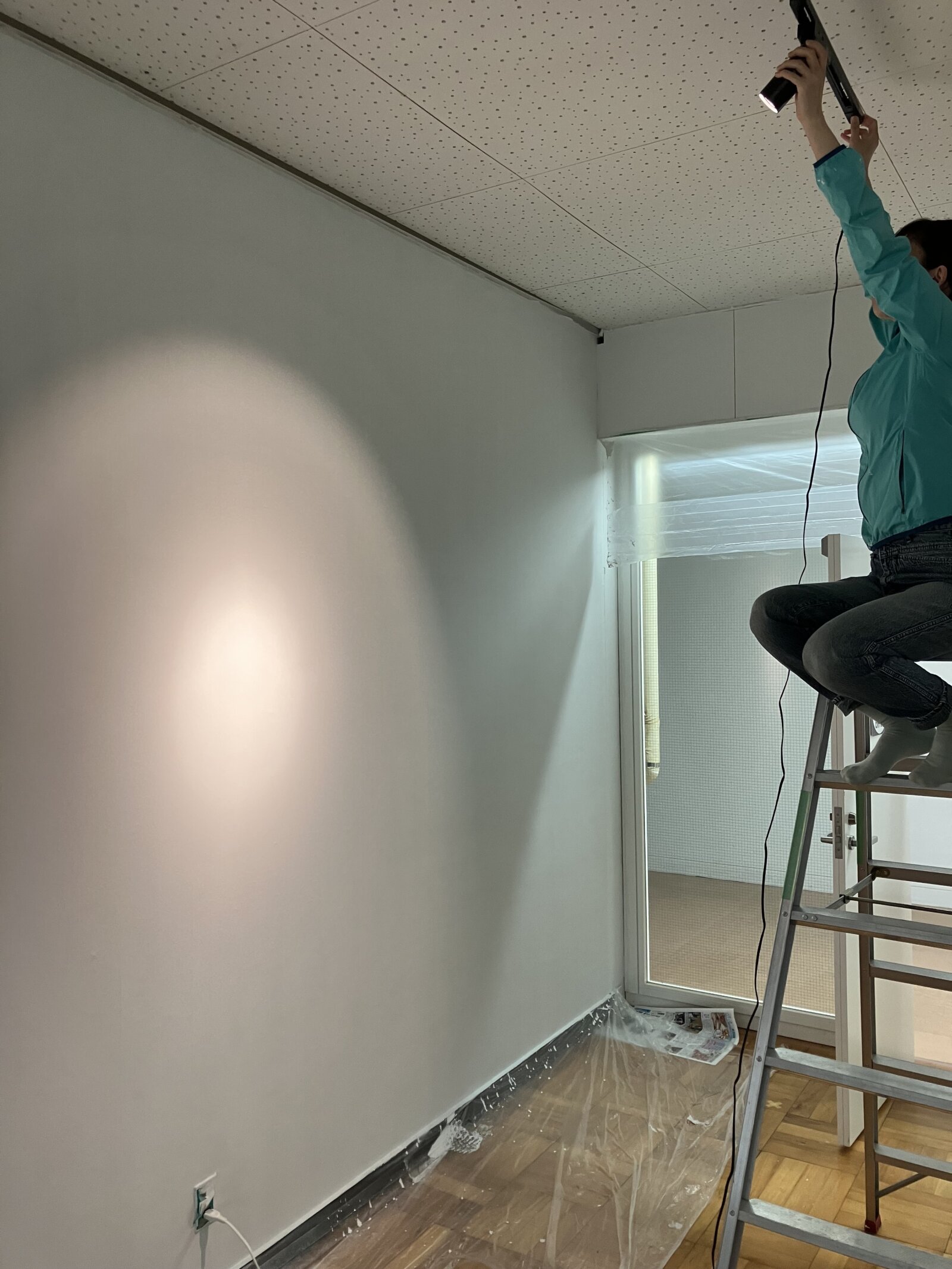
[Art Production] Painting classrooms and adjusting lighting to display the artworks of the artists under my supervision.
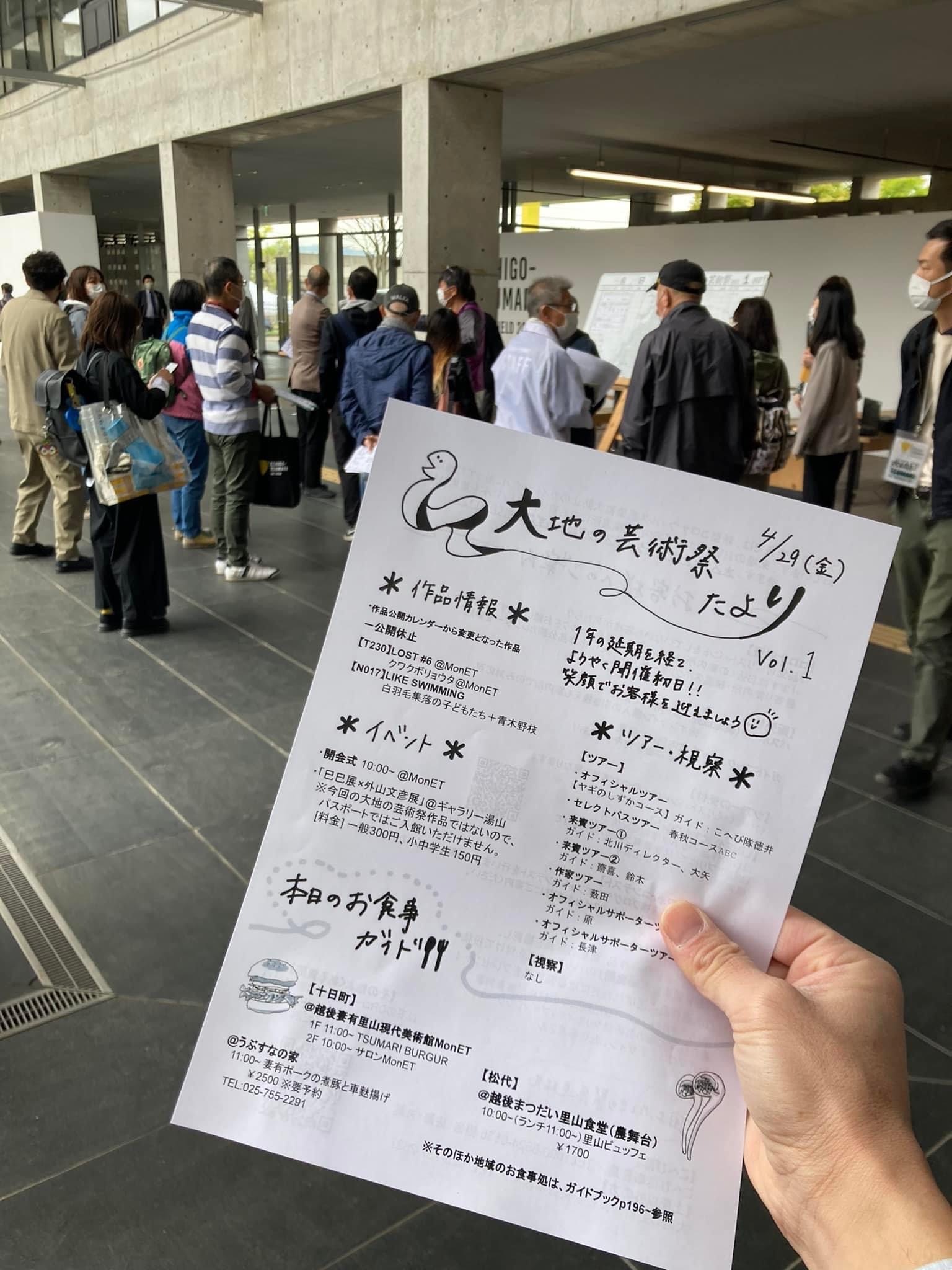
[Operational Duties] Preparing the newsletter to be distributed at the daily morning supporter meetings held every morning during ETAT.
――By living and working in Echigo-Tsumari, I absorb the reality of daily life here and the day-to-day efforts taking place, then process them in my own way and share my insights.
I’m not sure if this approach is the “right” way to do “public relations,” but it’s something I hold dear. Now, in my fifth year at the company, having been involved in a variety of tasks and gained a clearer view of the Echigo-Tsumari Art Field as a whole, as well as the core principles and policies of our projects, I find myself constantly pondering—day after day—how we can make the Echigo-Tsumari Art Field a project that will attract support and engagement from a wider range of people in the future.
NPO Echigo-Tsumari Satoyama Collaborative Organization
Hana Maruo
Articles

Latest Articles

Stay connected with the ETAT official social media to receive the latest news and event information, and the many seasonal faces of Echigo-Tsumari as well as new issue of the ETAT official media, “Art from the Land”.